Banned Mangur fish farms found near Ujani Dam catchment
Source Entity
The Indian Express
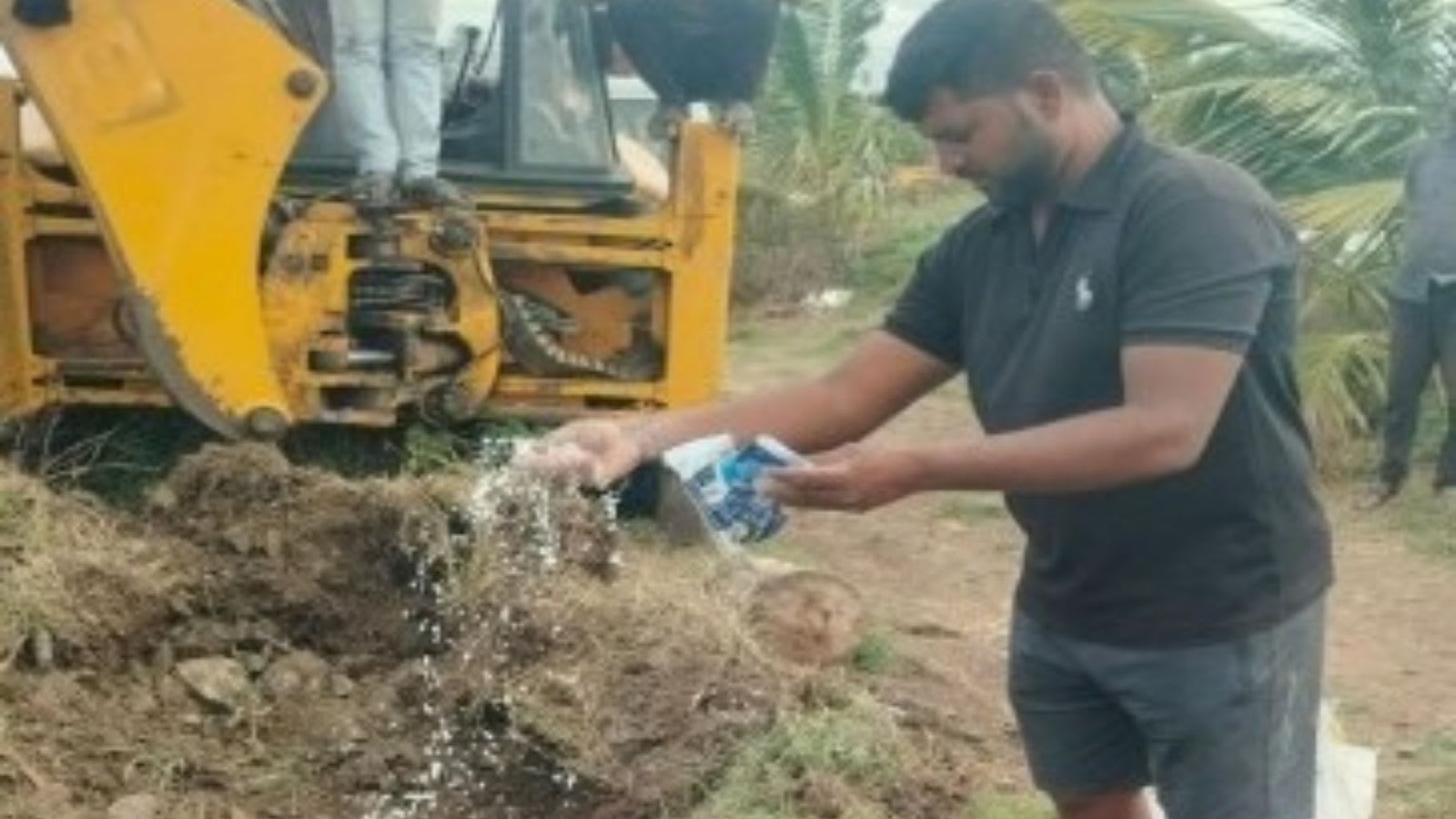
Authorities in Pune have destroyed illegal African catfish (Mangur) farms discovered near the Ujani Dam catchment area. Officials have initiated legal action against the operators for violating environmental and food safety regulations.
Crackdown on Illegal Mangur Farming in Pune
On Monday, a coordinated enforcement operation led by a team constituted by the Pune District Collector resulted in the discovery and destruction of illegal Mangur fish farms near the Ujani Dam catchment area and Kalthan No. 1 village in Indapur taluka. The operation targeted the cultivation of the African catfish (Clarias gariepinus), an exotic species that remains strictly prohibited in India due to its invasive nature and potential to inflict severe damage on local aquatic ecosystems.
Ecological Threat of the African Catfish
The African catfish is considered a significant ecological threat because it is a predatory species with an aggressive feeding habit. When introduced into local water bodies like the Ujani Dam, these fish can outcompete native species for food and habitat, leading to a decline in indigenous biodiversity. Furthermore, their ability to survive in harsh, polluted conditions makes them nearly impossible to eradicate once they escape into the wild, posing a long-term risk to the health of regional water sources.
Legal Framework and Violations
The crackdown was not merely an administrative cleanup but a significant legal intervention. Authorities registered cases against those involved under several stringent legal provisions. Specifically, Section 223 of the Bharatiya Nyaya Sanhita was invoked for the disobedience of a lawful order, while Section 59 of the Food Safety and Standards Act, 2006, was applied due to the public health risks associated with consuming fish raised in potentially toxic and unregulated environments. Additionally, the invocation of Sections 3, 5, and 15 of the Environment (Protection) Act, 1986, underscores the government's commitment to holding operators accountable for environmental degradation.
Public Health and Safety Implications
Beyond the ecological damage, the illegal farming of Mangur presents a serious food safety concern. These fish are often reared in unhygienic conditions, including sewage-fed ponds, which can lead to the bioaccumulation of heavy metals and pathogens. By destroying these stocks, the Pune District administration has taken a proactive step in preventing the entry of unsafe food products into the local supply chain, thereby safeguarding public health.
Future Trends and Enforcement
The discovery of these farms highlights a persistent challenge in controlling the clandestine trade of prohibited species. As the Pune District Collector continues to monitor regions like the Ujani Dam, it is likely that enforcement will become more rigorous. Future efforts will likely focus on community awareness and stricter surveillance of aquaculture activities to ensure that prohibited species do not find their way back into the local ecosystem, thereby protecting both the environment and consumer safety.