MoEFCC urges NGT to direct States to submit annual plan of operation for Neelakurinji conservation
Source Entity
India Latest News: Top National Headlines Today & Breaking News | The Hindu
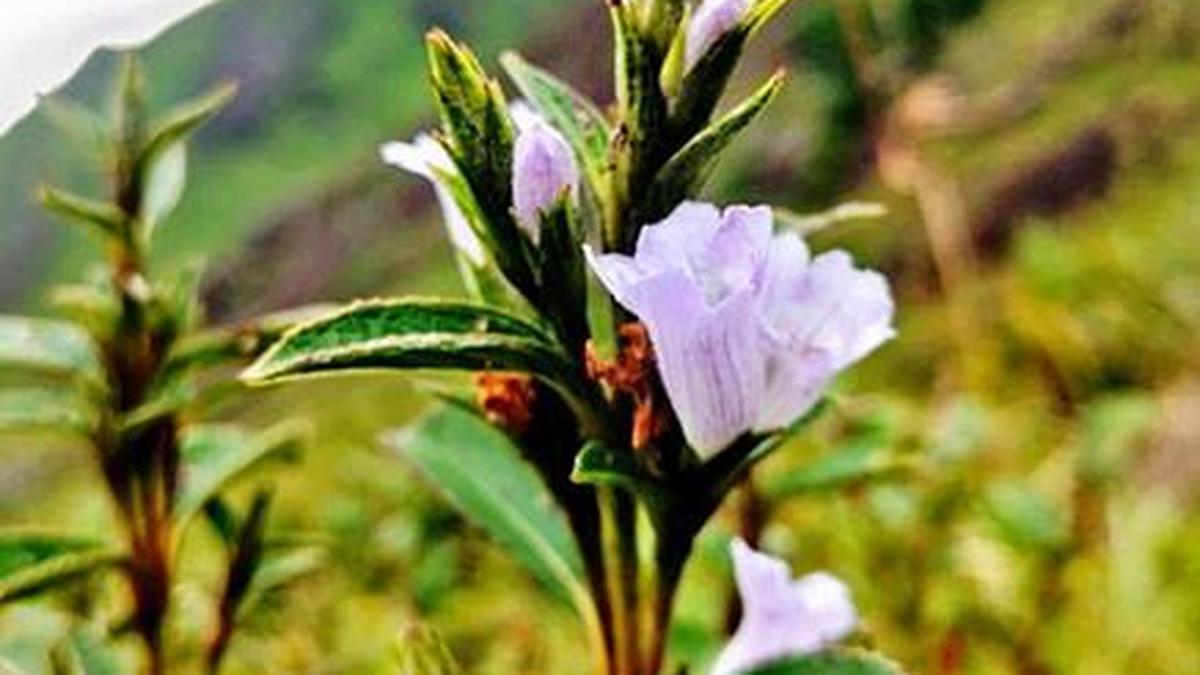
The MoEFCC has petitioned the National Green Tribunal to mandate conservation action plans for the endangered Neelakurinji shrub across Kerala, Tamil Nadu, and Karnataka. This initiative follows reports highlighting the species' shrinking habitat and follows a historical review of its 12-year flowering cycle.
Protecting the Neelakurinji: A Regulatory Milestone
The Ministry of Environment, Forest and Climate Change (MoEFCC) has taken a decisive step toward ecological preservation by urging the National Green Tribunal (NGT) to compel the states of Kerala, Tamil Nadu, and Karnataka to formulate comprehensive annual plans for the conservation of Strobilanthes kunthiana, commonly known as the Neelakurinji. This move comes as a direct response to the NGT’s suo motu cognisance of reports regarding the species' vulnerability, signaling a shift toward proactive oversight of endemic flora in the Western Ghats.
The Ecological Significance of Strobilanthes kunthiana
Neelakurinji is an extraordinary biological phenomenon, renowned for its mass flowering event that occurs strictly once every 12 years. As an endemic shrub, it is intrinsically tied to the unique ecosystems of the Western Ghats—a biodiversity hotspot. The cyclical nature of its bloom is not merely a botanical curiosity but a critical indicator of the health of the high-altitude grasslands it inhabits. The involvement of the MoEFCC underscores the recognition that current conservation efforts may be insufficient to protect this species against habitat fragmentation.
Historical Context and Habitat Loss
Historical records spanning nearly two centuries, from 1832 to 2018, provide a sobering look at the distribution of the Neelakurinji. Documented across 34 localities within 14 ecoregions and five major landscapes—including the Brahmagiri, Nilgiri, and Palani-Kodaik ranges—the shrub’s historical footprint has been extensive. However, the designation of the plant as a 'threatened species' suggests that human encroachment, climate change, and land-use alterations have severely restricted its range, necessitating the urgent state-level intervention now being sought by federal authorities.
The Role of Inter-State Cooperation
Because the Western Ghats span across multiple state borders, the conservation of endemic species requires a seamless, unified strategy. By requesting that the NGT direct Kerala, Tamil Nadu, and Karnataka to submit a coordinated annual plan of operation, the MoEFCC is attempting to bridge the gap in jurisdictional management. A fragmented approach to conservation often leads to inconsistent protection standards, which can be fatal for species like the Neelakurinji that rely on specific, interconnected mountain corridors.
Future Implications and Policy Trends
If the NGT mandates these conservation action plans, it could set a powerful precedent for how India manages its endangered flora. This intervention moves beyond simple protection of land; it mandates active management and monitoring of specific species. Future trends in environmental policy will likely lean further into this model, where federal agencies use judicial oversight to ensure that states uphold their environmental responsibilities, ensuring that the next 12-year cycle of the Neelakurinji is met with a robust and protected habitat.
Verification Required?