Northwest India turned drier, south wetter over 70 years, finds IMD study
Source Entity
VISHWA MOHAN
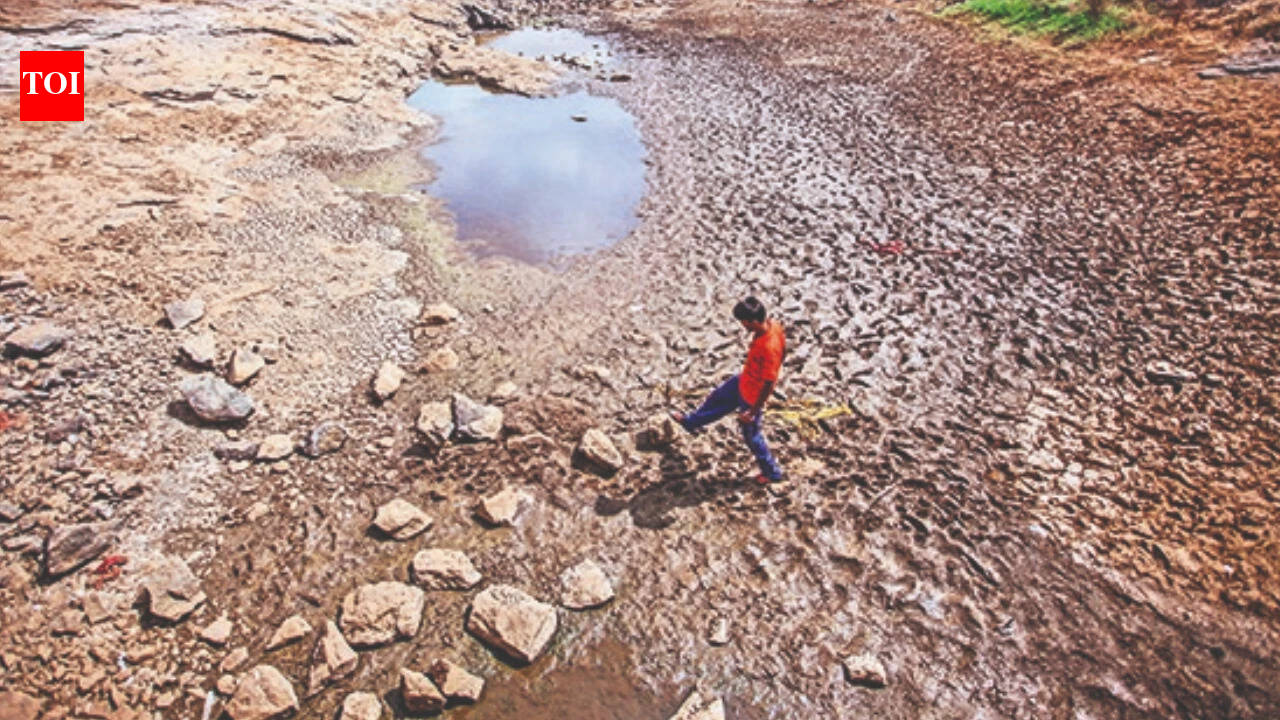
A 70-year IMD study reveals a significant climatic shift in India, showing North India becoming hotter and drier while the South turns wetter. The research highlights the expansion of hot semi-arid zones into Uttar Pradesh and a contraction of temperate regions.
Climate Transformation: Mapping India's 70-Year Shift
A groundbreaking study published in the India Meteorological Department’s (IMD) journal Mausam has provided a stark, long-term perspective on the environmental evolution of the Indian subcontinent. By analyzing climatological data spanning from 1951 to 2020, researchers have successfully mapped how the nation's diverse climate zones are migrating. The findings confirm a tale of two realities: a North that is progressively warming and desiccating, and a South that is experiencing increased precipitation.
The Expansion of Aridity in the North
One of the most concerning findings is the rapid expansion of the 'hot semi-arid' climate zone in Northwest India. Between the 1951-1980 period and the 1991-2020 window, this dry zone grew from covering approximately 25% of the region to roughly 33%. Simultaneously, the temperate zones have shrunk from one-quarter to less than one-fifth of the area. This transition signifies that nearly 7% of the region has shifted into a drier category, a process exacerbated by rising surface temperatures and a consistent decline in rainfall levels.
Geographical Creep and Regional Impacts
The study indicates that this arid expansion is not merely confined to the desert regions of the west. In a significant spatial shift, the hot and dry zone—which previously terminated near the western borders of Uttar Pradesh—is now pushing further east into the heart of the state. This movement suggests that agricultural belts traditionally accustomed to specific rainfall patterns are facing a new reality, necessitating a reevaluation of crop cycles, irrigation strategies, and water resource management in one of India's most populous states.
Peninsular Wetting: A Countervailing Trend
While the North faces the challenges of heat and dryness, the peninsula of South India presents an inverse trend. The IMD data suggests that this region has become significantly wetter over the same seven-decade period. The increase in overall quantitative rainfall highlights a complex atmospheric shift, potentially linked to changes in monsoon dynamics and oceanic thermal patterns. This wetter climate in the South brings its own set of challenges, including the need for robust flood management and infrastructure resilience to handle higher volumes of seasonal precipitation.
Methodology and Broader Implications
The researchers utilized 30-year climatological benchmarks to ensure statistical rigor, comparing the 1951-1980 baseline against the most recent 1991-2020 data. By focusing on four major climate zones—hot semi-arid, tropical savannah, tropical monsoon, and temperate—the study provides a granular view of how India’s ecological map is being redrawn. These shifts are indicative of broader global climate change trends, where local weather patterns are increasingly responding to long-term atmospheric warming.
Looking Ahead: Policy and Adaptation
The findings serve as a critical advisory for policymakers. As climate zones shift, the traditional ecological boundaries that governed India’s agricultural and urban planning for decades are becoming obsolete. Future trends suggest that if these trajectories continue, regions will need to adopt drought-resistant farming in the North and advanced water-logging mitigation in the South. This IMD study is a foundational document that will likely dictate the direction of climate adaptation strategies for the coming decade.