Actor Imran Khan Gets Interim Relief In His Challenge To 'Leave India' Notice
Source Entity
NDTV News Search Records Found 1000
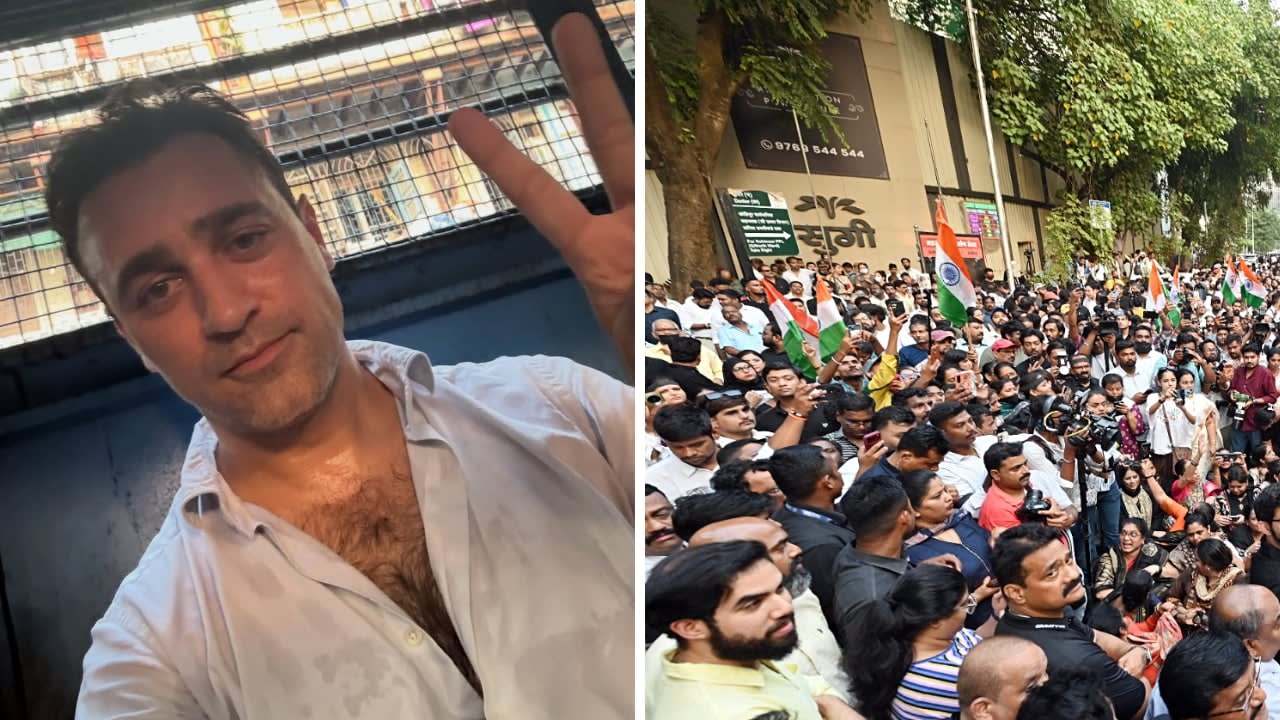
The Bombay High Court has granted interim relief to actor Imran Khan by staying a 'Leave India' notice issued by the FRRO. The court will hear the petition on November 2, following allegations that Khan participated in a political protest as a foreign citizen.
Legal Standoff: The Bombay High Court Intervenes
The Bombay High Court has provided a significant reprieve to actor Imran Khan Pal, granting interim relief against a 'Leave India' notice issued by the Foreigners Regional Registration Office (FRRO). The notice, which originally mandated his departure by late October, has been stayed by a division bench led by Chief Justice Mahesh Chandra Tripathi until the next hearing scheduled for November 2. This legal development follows a contentious dispute sparked by a complaint from a BJP leader, who alleged that the actor participated in a political protest in Mumbai despite holding foreign citizenship.
The Core Legal Dispute
At the heart of the matter is the validity of the FRRO notice. Imran Khan’s legal representatives have mounted a robust challenge, arguing that the notice was issued without providing the actor a fair opportunity to be heard—a fundamental breach of procedural due process. Furthermore, the defense team asserts that the notice infringes upon Khan’s constitutional rights, noting that he has resided in India since the age of two and currently holds an Overseas Citizen of India (OCI) card. The petition characterizes the move as an instance of political vendetta, suggesting that the regulatory action is motivated by his alleged participation in a protest supporting a political party.
Procedural Complications and Government Stance
During the recent proceedings, the legal complexity of the case became evident. Intervenors argued that because the FRRO notice involves elements of criminal jurisdiction, a civil petition might not be the appropriate venue for adjudication. However, the court opted to maintain the status quo. To ensure the proceedings remained orderly, Additional Solicitor General Anil C. Singh, representing the Centre, provided an oral assurance that the 'Leave India' notice would be kept in abeyance. This assurance was pivotal in the court’s decision to allow Khan to remain in the country beyond the initial deadline.
Implications for OCI Holders and Political Expression
The case highlights the delicate intersection between political activism and the regulatory status of Overseas Citizens of India. While the OCI card grants certain rights to individuals of Indian origin, the extent to which these individuals can participate in domestic political protests remains a subject of ongoing legal scrutiny. By challenging the notice, Khan is effectively forcing a judicial review of how the FRRO exercises its power over long-term residents who hold foreign citizenship but deep ties to India.
Future Trends and Judicial Oversight
As the hearing approaches on November 2, the judiciary’s decision will likely set a significant precedent regarding the limitations of executive power in issuing summary departure notices. The outcome will be watched closely by legal experts to see how the court balances the state's regulatory authority under immigration laws against the individual rights of long-term residents. The case serves as a reminder of the increasing intersection of political dissent and immigration compliance in the current administrative landscape.
Multiple Citing Sources
Verification Required?