Imran Pratapgarhi: Urdu Poetry, Democracy and the Power of a Public Voice
Source Entity
Suvir Saran
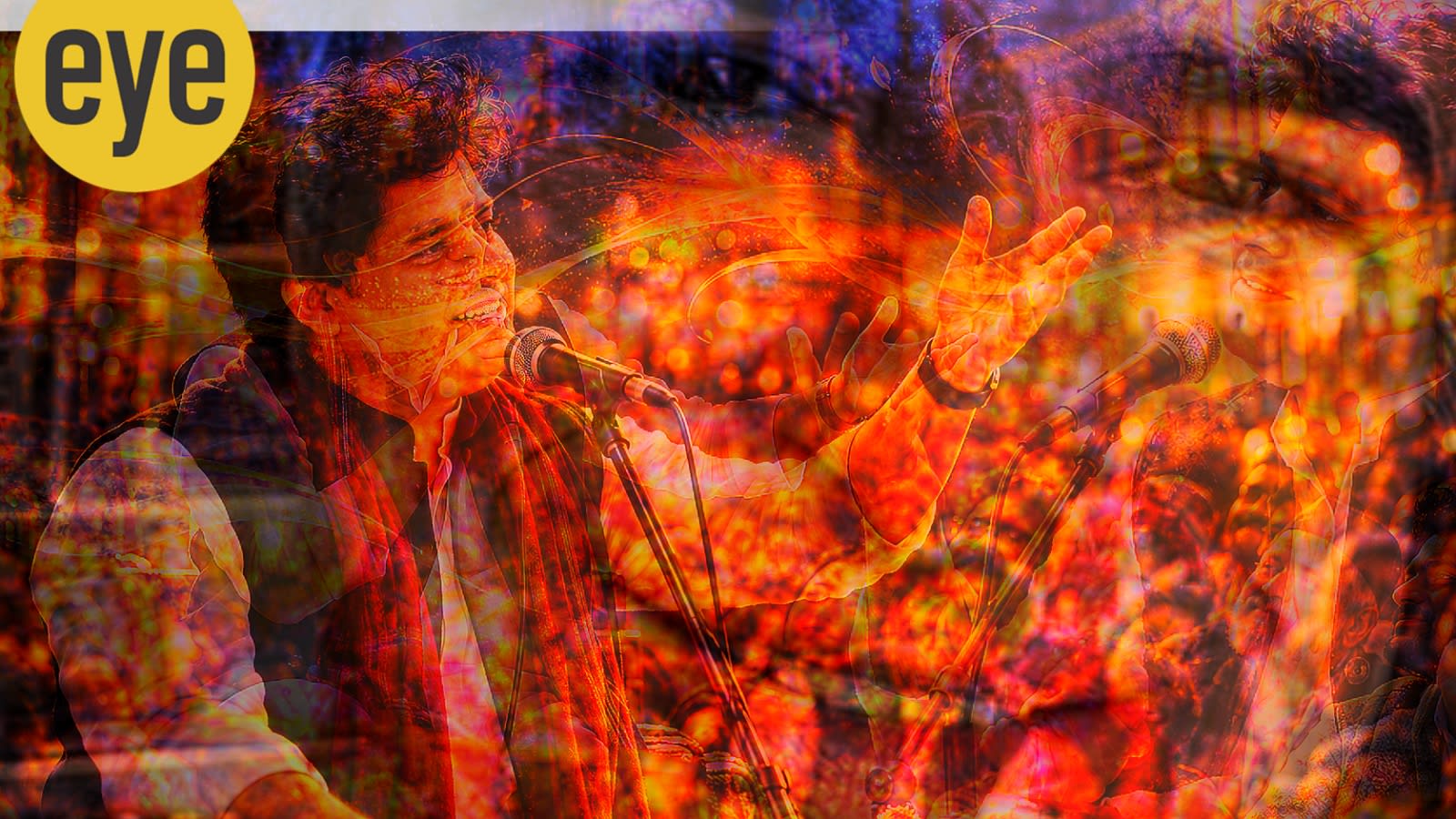
Imran Pratapgarhi's transition from a renowned Urdu poet to a political figure highlights the enduring power of public oratory in a democracy. His focus on national identity transcends fleeting political trends, emphasizing the continuity of the state.
The Poetic Voice in Democratic Discourse
Imran Pratapgarhi’s emergence as a significant political voice is deeply rooted in the tradition of Urdu poetry, a medium that has historically served as a catalyst for social and political awakening. By analyzing the way he repeats the phrase, “This country, this country,” we observe a deliberate rhetorical technique that shifts the focus from partisan squabbles to the foundational identity of the nation. This repetition serves to ground his audience, reminding them that the state is a collective entity that persists beyond the lifespan of any single administration or political cycle.
Democracy Beyond Political Trends
The core message inherent in Pratapgarhi’s public addresses is the resilience of democracy against the volatility of political whims. In an era where news cycles are dominated by temporary waves and polarizing trends, his emphasis on the longevity of the country suggests a philosophy that prioritizes institutional stability over short-term political gains. By framing his arguments this way, he positions himself not just as a partisan actor, but as a guardian of the democratic spirit that binds a diverse population together.
The Transition from Stage to Parliament
Moving from the microphone of a public gathering to the corridors of Parliament represents a significant evolution in his career. The imagery of his journey—from press scrums to legislative halls—illustrates the bridge between street-level activism and formal policy-making. This transition is crucial because it brings the emotive power of poetry into the rigid, structured environment of governance, potentially altering how political arguments are articulated and received by the public.
The Weight of Language in Public Life
Pratapgarhi’s use of voice is more than a stylistic choice; it is a tool for political mobilization. When he speaks, the plainness of his words is balanced by their gravity, creating a connection with the listener that transcends mere policy debate. This suggests that in a healthy democracy, the ability to articulate national sentiment is as important as the ability to draft legislation. His focus on the 'sound' of the poet addressing the crowd underscores the importance of public oratory in maintaining a vibrant civic culture.
Future Implications for Political Communication
As we look toward the future of political discourse, figures like Pratapgarhi suggest a shift toward more narrative-driven leadership. The focus on what 'lasts' rather than what is currently trending offers a counter-narrative to the fast-paced, often superficial nature of modern political communication. Whether this approach can effectively influence long-term policy remains to be seen, but it undoubtedly sets a precedent for how politicians might leverage cultural traditions to foster national unity and public engagement.