Lok Sabha debates anti-paper leak Bill, Opposition terms it ‘admission of failure’
Source Entity
India Latest News: Top National Headlines Today & Breaking News | The Hindu
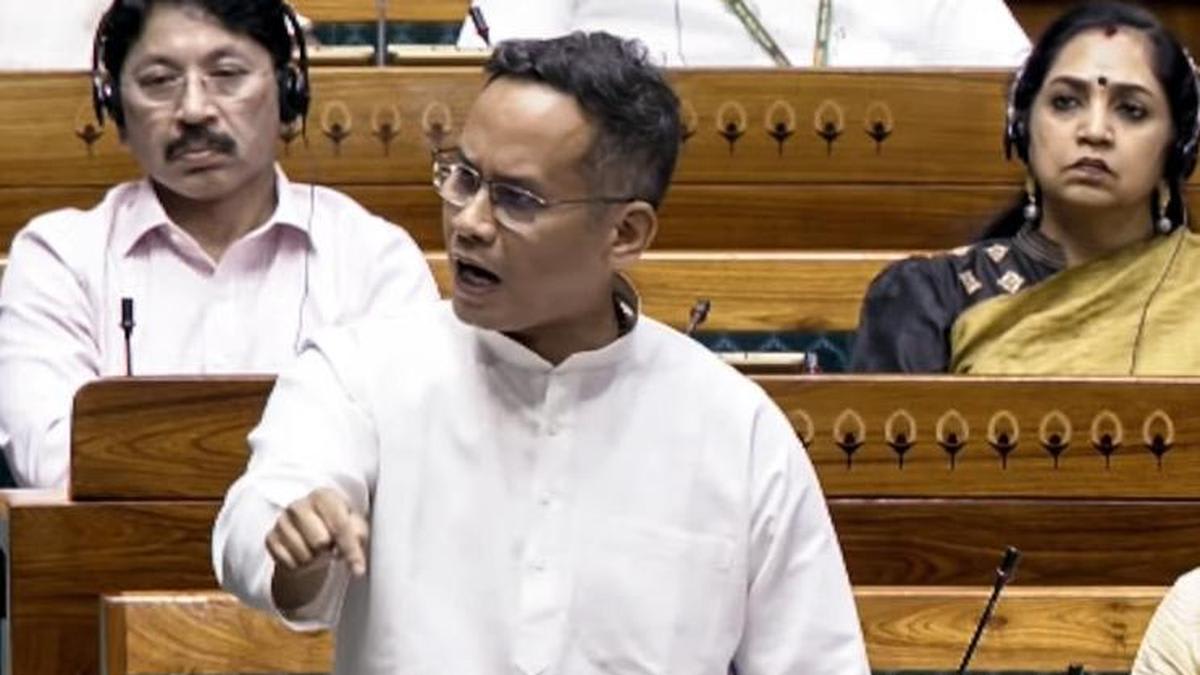
The Indian government has introduced the Public Examinations (Prevention of Unfair Means) Amendment Bill, 2026, proposing harsher penalties for paper leaks. This legislative move follows widespread protests and the resignation of Education Minister Dharmendra Pradhan, amid intense parliamentary debate over the efficacy of previous anti-leak laws.
Strengthening India’s Examination Integrity: A Legislative Shift
In a significant move to restore faith in the national recruitment and testing architecture, the Indian government has introduced the Public Examinations (Prevention of Unfair Means) Amendment Bill, 2026, in the Lok Sabha. This legislative development comes as a direct response to persistent, nationwide student protests that have paralyzed the academic calendar and culminated in the resignation of Union Education Minister Dharmendra Pradhan. The proposed law seeks to dramatically escalate the consequences for those involved in examination malpractice, mandating up to 10 years of imprisonment and fines reaching Rs 50 lakh for convicted offenders.
The Catalyst: Protests and Political Fallout
The introduction of this Bill follows a period of intense civil unrest, spearheaded by the Cockroach Janta Party (CJP), which mobilized students against the backdrop of the NEET-UG question paper leak. The pressure from these protests was not limited to the streets; it permeated the highest levels of government, eventually forcing the resignation of the Education Minister. The political volatility was further exacerbated by reports of alleged police excesses during a July 20 march to Parliament, which became a focal point for Opposition leaders demanding accountability during the legislative sessions.
Parliamentary Sparring: A Debate on Accountability
As the Lok Sabha moved to discuss the Bill, the floor became a battleground for competing political narratives. Treasury benches have framed the legislation as a necessary, robust mechanism to deter future leaks, while the Opposition, led by Congress deputy leader Gaurav Gogoi, has characterized the move as an "admission of failure." The core of the Opposition's argument rests on the history of the 2024 legislation, which the government previously championed as a "historic" solution to exam fraud. The questioning of why a supposedly "effective" law requires such drastic amendments within only two years highlights the deep skepticism regarding the government’s administrative strategy.
The Mechanics of the 2026 Amendment
The Public Examinations (Prevention of Unfair Means) Amendment Bill, 2026, represents a hardening of the state's stance toward examination security. By increasing the potential jail term to 10 years and imposing a substantial Rs 50 lakh fine, the government is attempting to create a deterrent effect that the previous framework failed to achieve. This shift suggests a recognition by the state that the previous legal deterrents were insufficient to curb the sophisticated criminal networks that profit from compromising public examinations.
Broader Implications and Future Trends
This legislative pivot signals a transition toward a more punitive approach in managing national education standards. However, the efficacy of this law will depend largely on its implementation and the ability of investigative agencies to successfully prosecute high-level offenders rather than just low-level conduits. As the government attempts to break the legislative deadlock, the focus will inevitably shift toward how these new powers will be balanced against civil liberties, especially in the wake of the recent protests. The future of this legislation will serve as a bellwether for how the government addresses systemic issues in public testing, moving beyond mere reactive policy-making toward sustainable, long-term integrity in academic assessment.
Multiple Citing Sources
Verification Required?