India’s missing retinal data could mean missed Alzheimer’s
Source Entity
Latest News: Todays Latest News Headlines from India & World | Hindustan Times | Hindustan Times
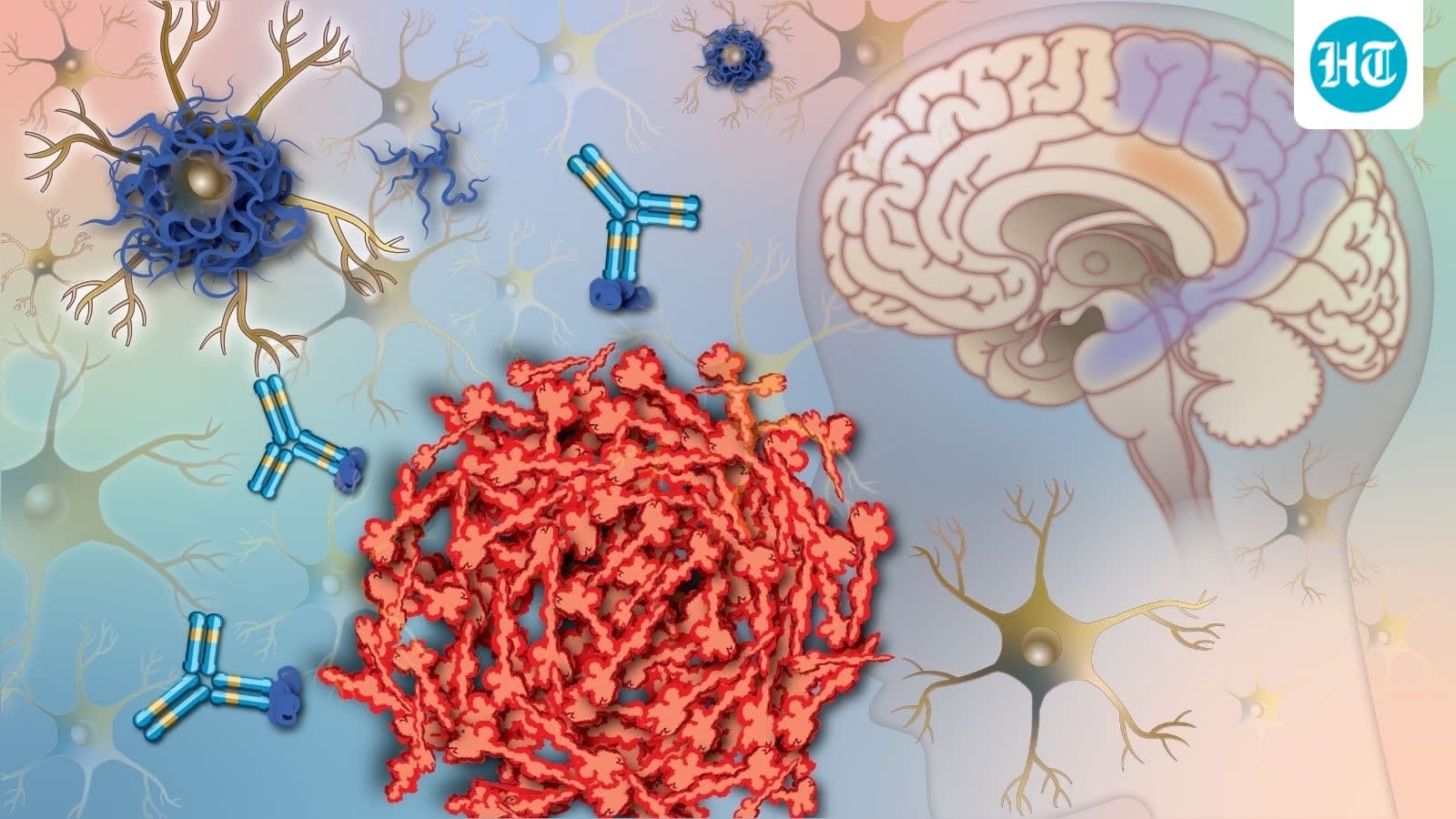
Researchers are developing AI-driven retinal imaging as an affordable, non-invasive screening tool for early Alzheimer's detection in India. This technology aims to bridge diagnostic gaps in regions where specialized neurological care and expensive testing are inaccessible.
The Silent Crisis of Undiagnosed Alzheimer's in India
The narrative surrounding the diagnostic journey of Alzheimer's disease in India is often characterized by systemic neglect and the misattribution of cognitive decline to natural aging. As highlighted by Roshan Avik Srivastava, founder of ReCognEYE, many families in regions like Karjat and Mumbai face a lack of access to definitive neurological assessments, such as MRIs. This deficit leaves patients without a clear diagnosis or a therapeutic plan, effectively abandoning them to the progressive nature of neurodegenerative conditions.
The Retina as a Gateway to Neurological Insight
Recent advancements in clinical research are shifting the focus toward the eye as a primary indicator of brain health. Because the retina and the brain share a common embryological origin, the retina serves as a direct extension of the central nervous system. This biological connection allows researchers to utilize retinal imaging as a proxy for evaluating neural integrity. By analyzing retinal vasculature and neuronal layers, scientists are finding markers that correlate with the amyloid plaques and tau tangles characteristic of Alzheimer's disease.
Bridging the Gap with AI-Assisted Screening
The development of the Indian Retinal Imaging Database for Alzheimer’s disease (IRID-AD) represents a significant technological leap in preventive healthcare. By leveraging Artificial Intelligence, these researchers are building models that can process inexpensive retinal images to identify early-stage cognitive impairment. This approach is transformative because it bypasses the need for high-cost, invasive, or time-consuming diagnostic procedures that are currently out of reach for much of the Indian population.
Socio-Economic Implications of Accessible Diagnostics
For many families, the financial burden of formal neurological diagnostics is a major barrier to seeking care. When memory loss is dismissed as a mere symptom of aging by local healthcare providers, the opportunity for early intervention is lost. Implementing AI-assisted screening at the community level could democratize access to diagnosis, ensuring that families in rural or underserved areas receive the same level of early-warning information as those in major metropolitan hubs.
Future Trends and Clinical Integration
As the IRID-AD project matures, the integration of these AI tools into primary care could revolutionize how India addresses the growing burden of dementia. If successful, this model could be scaled globally, providing a blueprint for low-cost, high-impact screening in other developing nations. The future of Alzheimer's care likely lies in these non-invasive, digital health solutions that empower clinicians to act well before severe cognitive symptoms manifest.
Conclusion
The work being spearheaded by the ReCognEYE team highlights a critical intersection of ophthalmology and neurology. By utilizing retinal data, the medical community is moving closer to a paradigm where early detection of Alzheimer's is a standard, affordable, and accessible reality, potentially changing the trajectory of patient outcomes across India.
Verification Required?