Red chutney, pink cotton candy: The risks of food colours amid UP’s festive season crackdown
Source Entity
Maulshree Seth
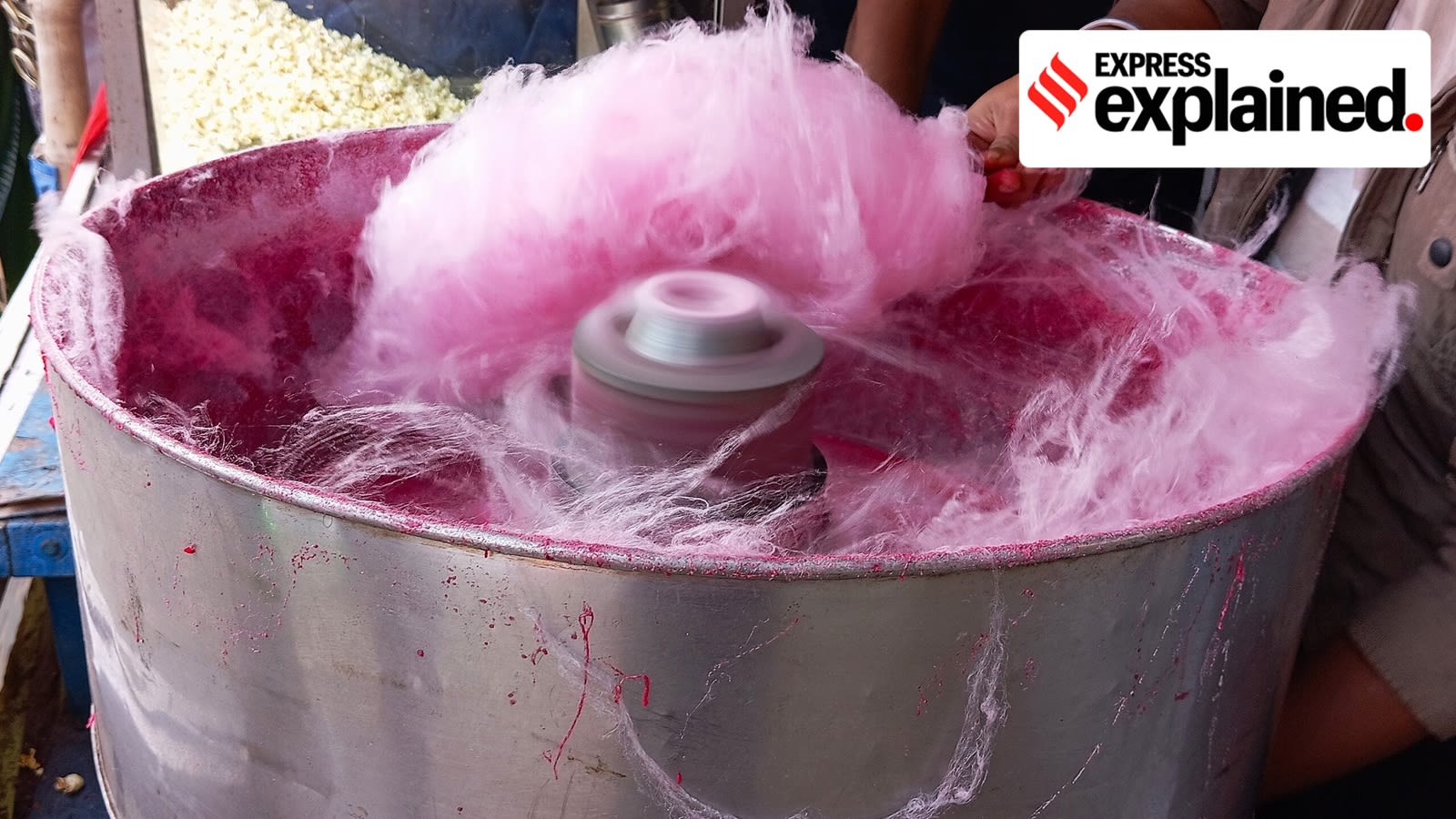
Uttar Pradesh authorities have launched a crackdown on non-food grade industrial dyes used in popular street foods like chutney and cotton candy. The FSDA has issued strict guidelines for vendors to ensure the safety of snacks and sweets during the festive season.
Food Safety Crackdown in Uttar Pradesh
Recent investigations by the Food Safety and Drug Administration (FSDA) in Uttar Pradesh have unveiled a concerning trend: the widespread use of non-food grade industrial dyes in popular street foods. Items such as bright red chutney served with samosas, pink cotton candy found near schools, and vivid red tandoori chicken have come under intense scrutiny. These industrial substances, never intended for human consumption, are being utilized to enhance the visual appeal of snacks, posing significant long-term health risks to the unsuspecting public.
The Dangers of Industrial Dyes
The core of this issue lies in the substitution of permitted food-grade coloring agents with cheaper, industrial-grade chemicals. Industrial dyes, often used in textiles or paints, frequently contain heavy metals and toxic compounds that can lead to severe gastrointestinal issues, allergic reactions, and, in cases of chronic exposure, potential organ damage or carcinogenic effects. By prioritizing aesthetic appeal over consumer safety, vendors are placing the health of their customers—particularly children who are frequent consumers of cotton candy—at substantial risk.
Regulatory Response and Guidelines
In light of the upcoming Diwali festive season, where the demand for sweets and snacks surges, the FSDA has stepped up enforcement. The regulatory body has issued comprehensive guidelines aimed at curbing the malpractice of using unauthorized dyes. These directives mandate strict compliance regarding which food colors are legally permissible, the precise quantities allowed, and the requirement for vendors to maintain transparent records of their supply chains, ensuring that all purchased coloring agents meet safety standards.
Impact on Street Food Culture
Street food is a cultural staple in Uttar Pradesh, but its informality often leads to challenges in monitoring food hygiene. The current crackdown highlights the urgent need for better oversight of small-scale vendors and roadside stalls. By focusing on popular items like tandoori chicken and festive sweets, the FSDA is attempting to instill a culture of accountability. This initiative is not merely about penalties; it is an effort to standardize safety protocols in a sector that has historically operated with minimal supervision.
Future Trends in Food Safety
Looking ahead, this crackdown likely signals a shift toward more rigorous, technology-driven food inspections in India. As consumer awareness regarding food safety grows, there will be increased pressure on local authorities to conduct regular, random laboratory testing of street food samples. The success of these measures will depend on the sustained vigilance of the FSDA and the willingness of vendors to adopt safer, compliant alternatives for food presentation, ultimately balancing the demand for visually appealing food with the non-negotiable requirement for human safety.