India smartphone market falls 10% in Q2 2026 as rising prices hit demand
Source Entity
The Indian Express
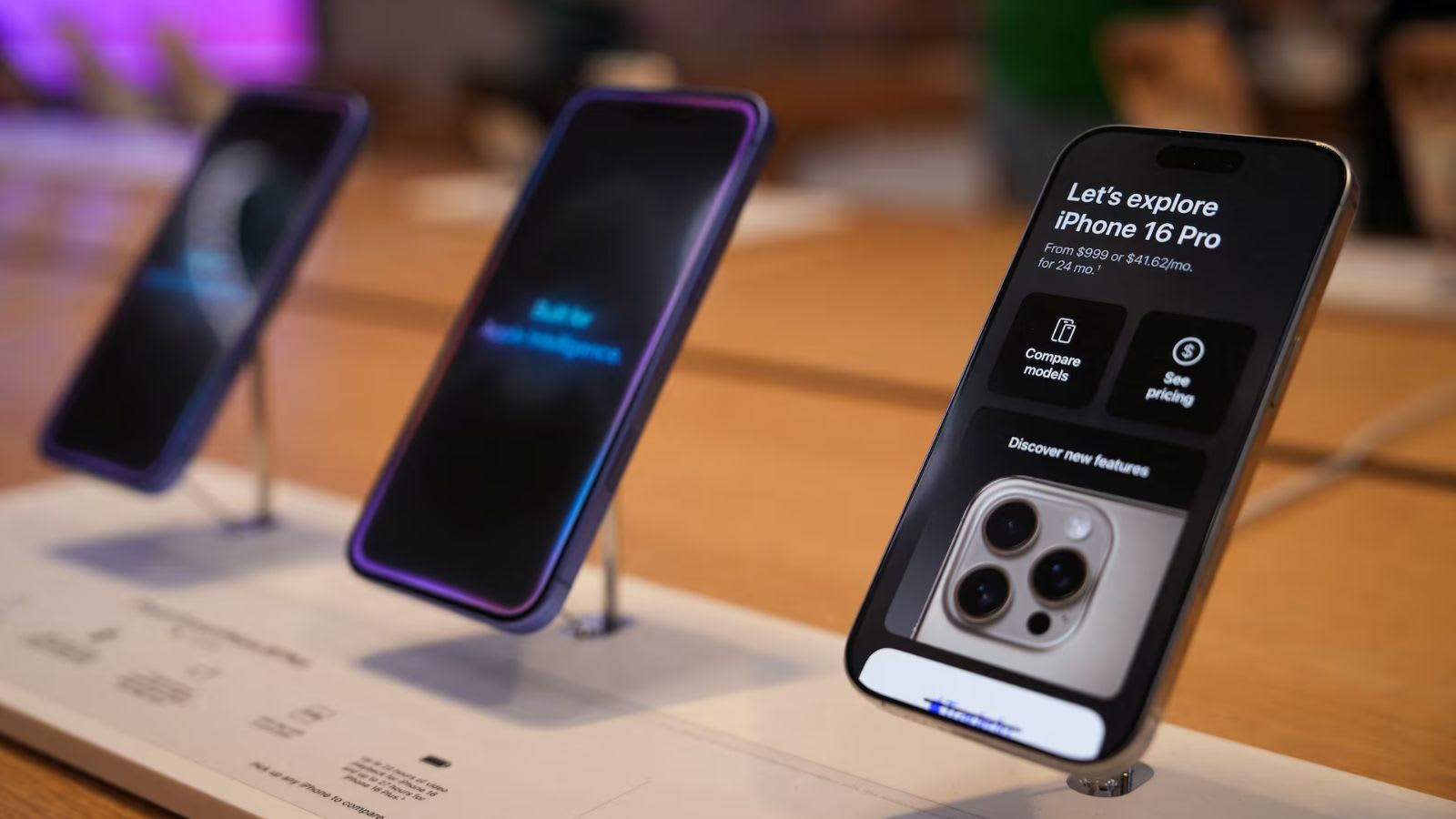
India's smartphone market experienced a 10% YoY decline in Q2 2026, marking the steepest June quarter drop in six years. The slump is primarily driven by record-high memory costs and inflation, which have severely impacted budget segment demand.
India's Smartphone Market Faces Historic Q2 2026 Slump
India's smartphone industry has hit a significant roadblock in the second quarter of 2026, recording a 10% year-on-year (YoY) decline in shipments. According to data from Counterpoint Research, this represents the steepest decline for a June quarter in six years. This downturn is not an isolated incident but follows a weak first quarter, which saw a 3% decline, signaling a broader systemic struggle within the consumer electronics sector in India. The combination of supply-side cost pressures and dampened consumer appetite has created a challenging environment for manufacturers who are struggling to maintain volume despite offering discounts and financing schemes.
The Catalyst: A Memory Price Crisis
At the heart of this market contraction is a dramatic surge in component costs, specifically regarding memory. The report highlights that prices for DRAM (Dynamic Random Access Memory) and NAND memory have increased nearly fourfold since September 2025. Because memory is a fundamental component of every device, these record-high prices forced manufacturers to raise retail prices across nearly every segment to protect their margins. By the end of the quarter, average smartphone prices had climbed by approximately 15%. This price hike has acted as a direct deterrent to consumers, particularly those in the budget-friendly segments where price sensitivity is highest.
Shifting Consumer Behavior and Economic Headwinds
Beyond the immediate cost of components, the market is grappling with broader macroeconomic pressures. Inflation and a noticeable dip in discretionary spending have led consumers to be more cautious with their purchases. One of the most critical trends identified is the lengthening of smartphone replacement cycles. Consumers are choosing to hold onto their current devices longer rather than upgrading, a trend that is most pronounced in the budget segment. This shift suggests that the perceived value proposition of new budget devices has diminished as prices rise, making the upgrade less attractive to the average user.
Competitive Dynamics: Winners and Losers
The impact of this downturn has been uneven across the major players. Vivo currently leads the market with a 17.8% share, though this is a significant drop from its 19.2% share in Q2 2025. Apple also felt the pinch, with shipments declining 3% YoY, bringing its market share to 7%. In stark contrast, Samsung emerged as the sole growth driver among the top five manufacturers, posting a 2% YoY increase. This suggests that Samsung's diversified portfolio or strategic pricing may have insulated it better than its competitors during this volatile period.
The Rise of the Ultra-Premium Segment
Interestingly, while the mass market struggled, the ultra-premium segment showed remarkable resilience and growth. Google Pixel, in particular, registered a staggering 68% YoY increase in this category. This divergence indicates a polarized market: while budget-conscious consumers are opting out of upgrades due to inflation and memory-driven price hikes, high-net-worth individuals remain unaffected, continuing to invest in high-end technology. This trend suggests that growth in the Indian market may increasingly shift toward the premium end of the spectrum as the entry-level market stagnates.
Future Outlook and Market Predictions
The outlook for the remainder of 2026 remains bleak. Counterpoint Research predicts that the overall Indian smartphone market will decline by 13% for the full year. The primary concern is that memory prices are expected to remain elevated, keeping affordability under pressure for the foreseeable future. Until there is a stabilization in the cost of DRAM and NAND memory, or a significant recovery in discretionary spending, manufacturers will likely continue to struggle with volume. The industry is now in a precarious position where it must balance the need for profitability against the reality of a shrinking consumer base in the affordable segment.
Multiple Citing Sources