Indian Railways clarifies after video of hydrogen train pulled by diesel engine goes viral
Source Entity
Anish Mondal
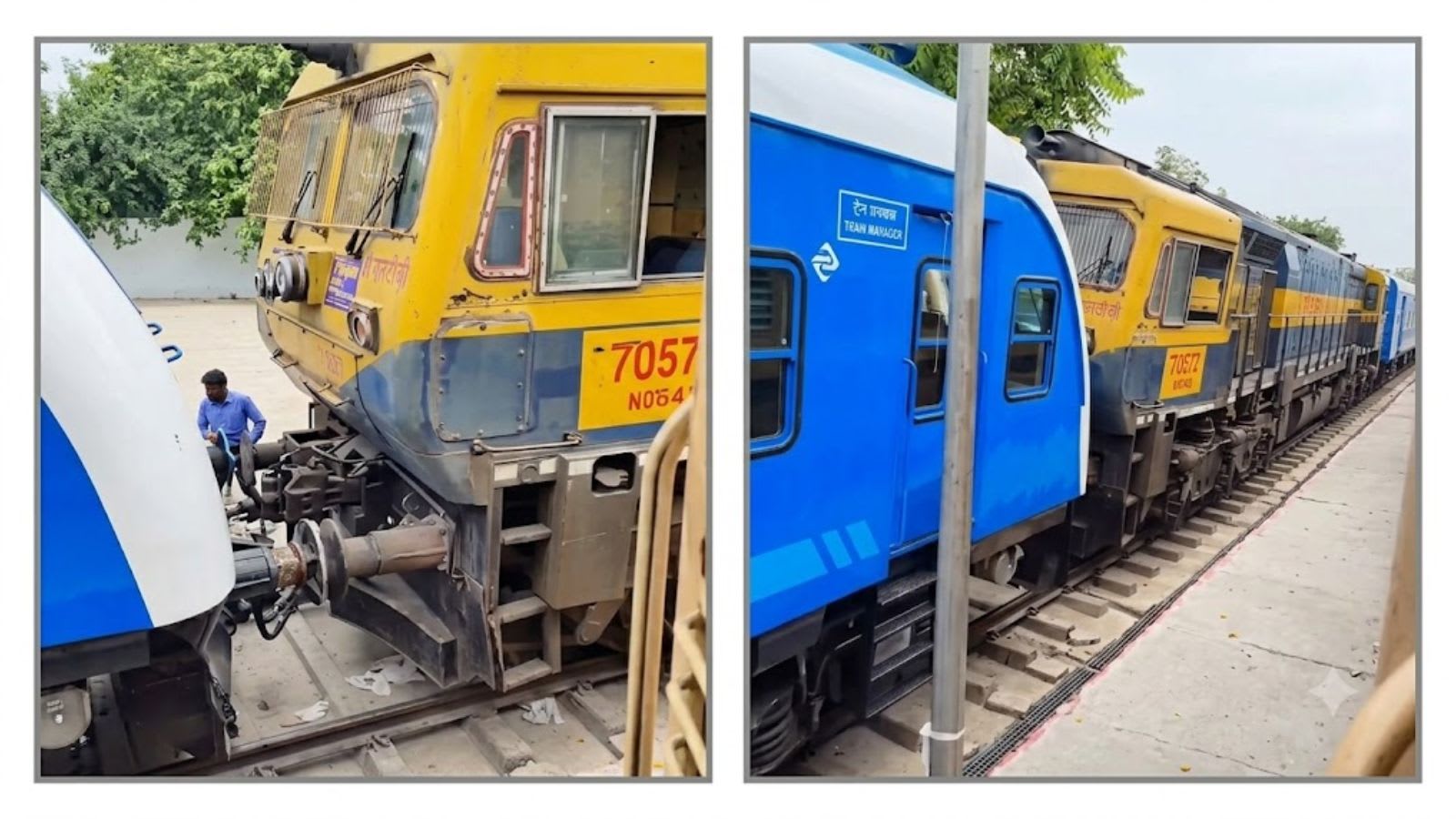
Indian Railways has dismissed a viral video claiming its first hydrogen train failed and required a diesel engine for towing. Northern Railway clarified that the claims are baseless and the movement followed standard operating procedures.
Clarifying the Narrative: Indian Railways and the Hydrogen Train Controversy
The introduction of hydrogen-powered rail technology in India represents a significant leap toward sustainable transportation and the nation's broader decarbonization goals. However, the rollout of such high-profile technology often attracts intense public scrutiny, which can sometimes manifest as misinformation. Recently, a viral video surfaced on social media claiming that India's first hydrogen train had suffered a mechanical failure, necessitating a diesel engine to tow it. This incident highlights the tension between rapid technological deployment and the speed at which unverified narratives can spread in the digital age.
The Viral Allegation and the Route
According to the reports, the video in question claimed that the hydrogen locomotive had developed a fault, forcing the use of a traditional diesel engine to move the train. The train involved is a landmark project, having been flagged off by Prime Minister Narendra Modi on July 17. It is currently operating on an 89-km-long section between Jind and Sonipat in Haryana, a route that falls under the jurisdiction of the Northern Railway’s Delhi Division. This specific corridor serves as a critical testing ground for the viability of hydrogen fuel cell technology in the Indian climatic and operational context.
Official Response from Northern Railway
In a swift response to the growing social media narrative, the Northern Railway issued a formal clarification. The authority described the viral video as "factually baseless and misleading," categorically denying that the train had experienced a fault. The railway administration explained that the presence of a diesel engine was not a sign of failure but rather a part of the "standard procedure." Specifically, the movement of the hydrogen train to and from the main line often requires auxiliary assistance or specific shunting protocols that may involve other locomotives, a common practice in railway operations that observers may misinterpret as a breakdown.
The Significance of Hydrogen Rail Technology
To understand why this clarification is important, one must look at the broader implications of hydrogen trains. Unlike traditional diesel locomotives, which emit significant greenhouse gases, or electric trains, which require extensive overhead wiring (OHE), hydrogen trains produce only water vapor as a byproduct. By piloting this technology on the Jind-Sonipat stretch, Indian Railways is exploring a way to green its non-electrified routes without the massive capital expenditure required for full electrification. This transition is a key component of India's commitment to reducing its carbon footprint in the transport sector.
Addressing the Challenge of Misinformation
This incident underscores a recurring challenge for government infrastructure projects: the gap between operational technicalities and public perception. In the era of short-form video content, complex railway procedures—such as shunting or positioning a train for its maiden run—can be stripped of context and framed as "failures" to generate engagement. The Northern Railway's need to issue a public rebuttal suggests that transparent communication regarding the operational phases of new technology is just as critical as the technology itself to maintain public trust.
Future Outlook and Scaling
Looking ahead, the success of the Jind-Sonipat pilot will likely dictate the scale of hydrogen train adoption across the rest of the Indian rail network. If the Northern Railway can successfully demonstrate the reliability and efficiency of these locomotives, it could lead to a phased replacement of diesel engines across thousands of kilometers of track. The focus will likely shift from proving the technology works to optimizing the hydrogen supply chain, including the production and storage of green hydrogen, to ensure that these trains are truly sustainable from source to destination.
Summary
In conclusion, the claims of a fault in India's first hydrogen train were unfounded, with Northern Railway confirming that the diesel engine's involvement was a routine operational necessity. While the viral video created a temporary narrative of failure, the actual deployment remains a pivotal step in India's journey toward a zero-emission railway network.