JD Vance calls Canada a ‘state’ in sudden slip-up at Maine event: ‘Sorry, Freudian slip’ | Watch
Source Entity
Latest News: Todays Latest News Headlines from India & World | Hindustan Times | Hindustan Times
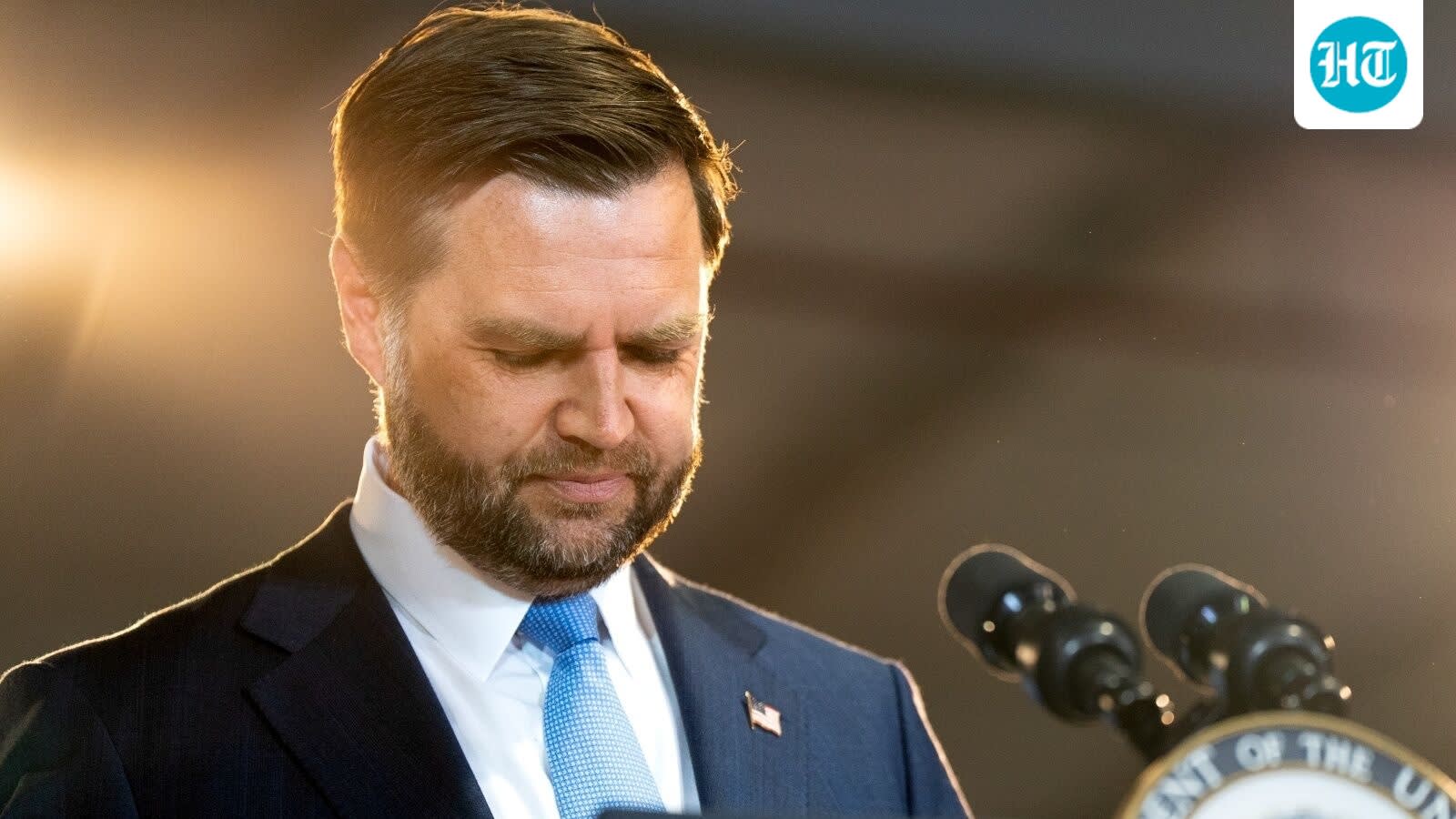
Vice President JD Vance mistakenly referred to Canada as a 'state' during a Maine event, later dismissing it as a Freudian slip. This incident occurs amid ongoing political rhetoric regarding U.S.-Canada trade relations and military spending.
The Geopolitical Implications of a Verbal Slip
During a recent political appearance in Maine on Monday, August 24, Vice President JD Vance inadvertently referred to Canada as a "state." While he quickly corrected himself, labeling the error a "Freudian slip," the incident has sparked immediate scrutiny regarding the current administration's stance on northern hemispheric relations. This verbal misstep occurred in the context of a discussion centered on tense trade negotiations, highlighting the fragile diplomatic atmosphere currently shared between Washington and Ottawa.
The Context of Military Underinvestment
Beyond the semantic error, Vance’s comments focused on a critical point of contention: Canada's military expenditures. He argued that Canada has historically underinvested in its defense capabilities, suggesting that the nation relies heavily on the "umbrella of protection" provided by the United States. This narrative aligns with long-standing American domestic pressure for NATO allies to meet defense spending targets, framing Canada’s security as fundamentally tethered to, and dependent upon, U.S. military hegemony.
Patterns in Rhetorical Annexation
The significance of Vance’s "Freudian slip" is magnified by the existing rhetoric surrounding the current administration. President Donald Trump has previously characterized Canada as the "51st state," a provocative framing that implies a desire for, or expectation of, deeper geopolitical assimilation. By echoing this sentiment, even accidentally, Vance underscores a broader ideological trend within the administration that views the northern border not merely as a sovereign neighbor, but as a strategic territory within the U.S. sphere of influence.
Diplomatic Friction and Leadership Dynamics
This exchange also sheds light on the evolving relationship between the U.S. executive branch and Canadian leadership. The mention of Prime Minister Mark Carney—whom Trump previously labeled the "future Governor of Canada"—suggests that U.S.-Canada relations are being filtered through a lens of dominance and domestic American political theater. These characterizations complicate official diplomatic channels, as the language of annexation and statehood replaces the traditional lexicon of international partnership and sovereign equality.
Conclusion: Assessing the Strategic Intent
While the Vice President dismissed the comment as an accident, the frequency of such "slips" suggests a normalization of annexationist rhetoric in American political discourse. As trade talks remain heated and defense spending debates persist, these comments serve to signal a harder line toward Ottawa. Ultimately, whether intended as a joke or a genuine perspective, the framing of Canada as a "state" complicates the long-standing alliance, forcing a reassessment of how the U.S. views its closest neighbor in an increasingly protectionist era.
Verification Required?