‘Mai yahan ka khiladi hun’: Kiren Rijiju hits back at comparison with Rahul Gandhi over fitness
Source Entity
Latest News: Todays Latest News Headlines from India & World | Hindustan Times | Hindustan Times
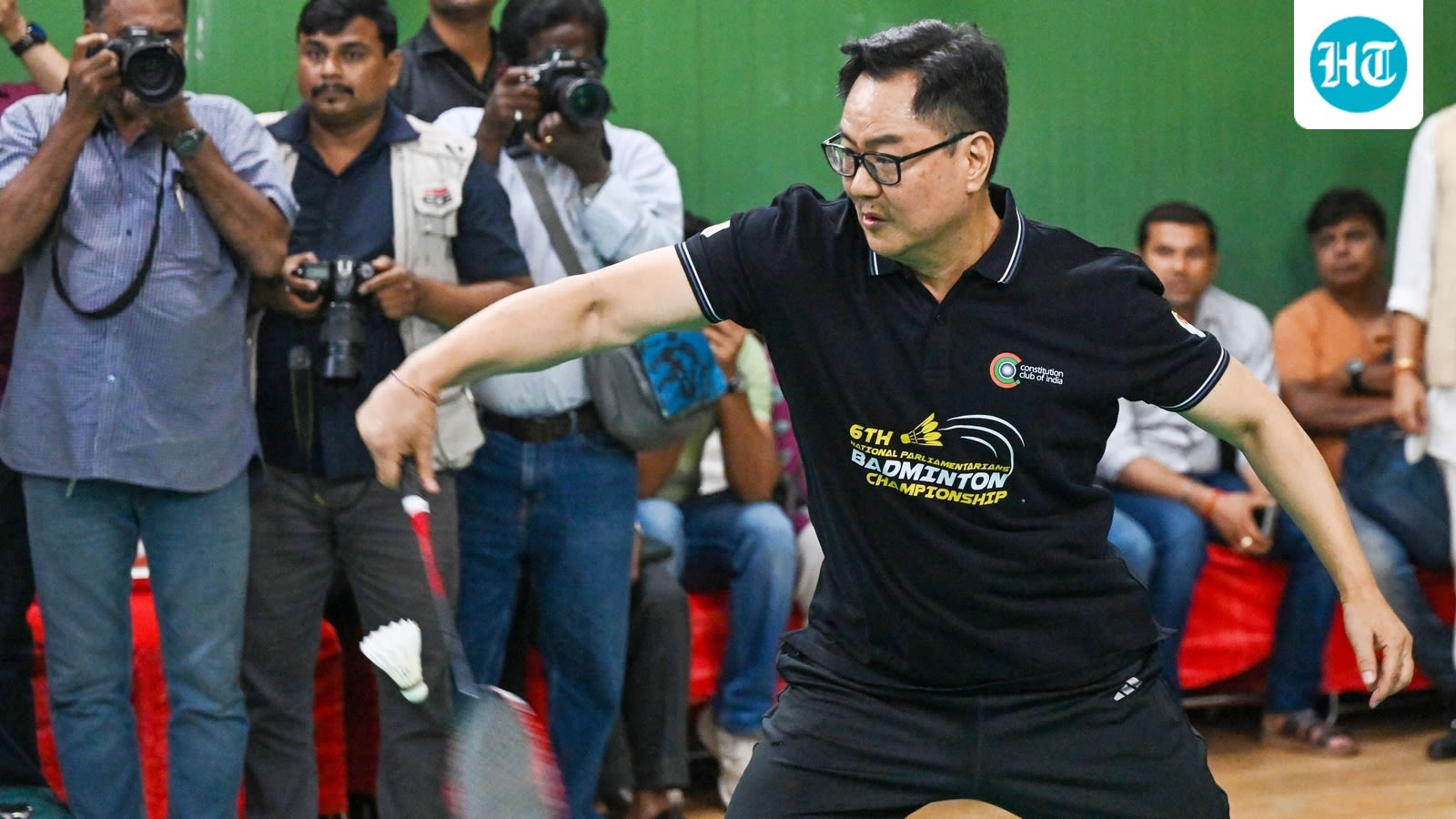
Union Minister Kiren Rijiju has engaged in a lighthearted fitness rivalry with Rahul Gandhi, contrasting his own comfort in Arunachal's rivers with Gandhi's fitness routine. Simultaneously, Rijiju has criticized the Congress for allegedly avoiding substantive debate on the 2026 anti-paper leak Bill.
The Dual Facets of Political Rivalry: Fitness and Policy
The ongoing political discourse between Union Parliamentary Affairs Minister Kiren Rijiju and Leader of the Opposition Rahul Gandhi has expanded into both the legislative arena and the realm of personal fitness. This multifaceted rivalry highlights the increasingly personal nature of political competition in India, where physical prowess and parliamentary performance are often juxtaposed to define leadership styles.
The Fitness Narrative
Recent social media activity has centered on Kiren Rijiju’s demonstration of swimming in the gushing rivers of Arunachal Pradesh. By asserting, “Mein yahan ka khiladi hun” (I am the player here), Rijiju has framed his physical capabilities as indigenous to his home state, suggesting that while Rahul Gandhi is known for his own fitness routines, the specific terrain of Arunachal requires a level of familiarity that exceeds standard training. This exchange serves as a continuation of previous lighthearted interactions between the two, including past discussions in Parliament and public references to martial arts.
Legislative Tensions: The Anti-Paper Leak Bill
Beyond the personal banter, a more serious confrontation has emerged regarding the legislative agenda. On July 29, 2026, Rijiju accused the Congress party and the Opposition of intentionally avoiding substantive debate on the Public Examination (Prevention of Unfair Means) Amendment Bill, 2026. According to the Minister, the Opposition chose to focus on unrelated issues during the Lok Sabha session, effectively stalling the discourse on a measure the government deems critical for student welfare.
The Intersection of Personality and Governance
This juxtaposition—where a minister pivots from criticizing an opponent’s parliamentary tactics to mocking their athletic readiness—is emblematic of contemporary political communication. By characterizing the Opposition’s behavior as “doing politics” rather than engaging with the content of the anti-paper leak Bill, Rijiju aims to paint the Congress leadership as unserious. Conversely, by emphasizing his own ease in challenging natural environments, he contrasts his perceived groundedness with the perceived formality or requirement for “training” that he attributes to Gandhi.
Implications for Parliamentary Conduct
The tension surrounding the 2026 Monsoon Session underscores a broader trend of legislative gridlock. When the government introduces high-stakes legislation, such as the anti-paper leak Bill, the public expectation is for a rigorous debate on policy mechanics. However, as evidenced by the criticisms leveled by Rijiju, the floor of the Lok Sabha is increasingly utilized for theatrical exchanges that prioritize political optics over legislative scrutiny.
Future Trends in Political Engagement
As both the BJP and Congress continue to leverage social media to broadcast these rivalries, we can expect a continued blurring of lines between personal branding and official parliamentary duty. The fitness-related banter, while often framed as “good-humoured,” serves as a strategic tool to humanize leaders while simultaneously casting doubt on the adaptability or authenticity of their opponents. Moving forward, the effectiveness of these strategies will likely depend on whether the public perceives them as genuine displays of character or as distractions from the core legislative responsibilities of the nation’s leaders.
Verification Required?