Sajjan Kumar row: Haryana Cong leader urges Kharge to remove Hooda from CWC
Source Entity
SUBHADRA SRIVASTAVA
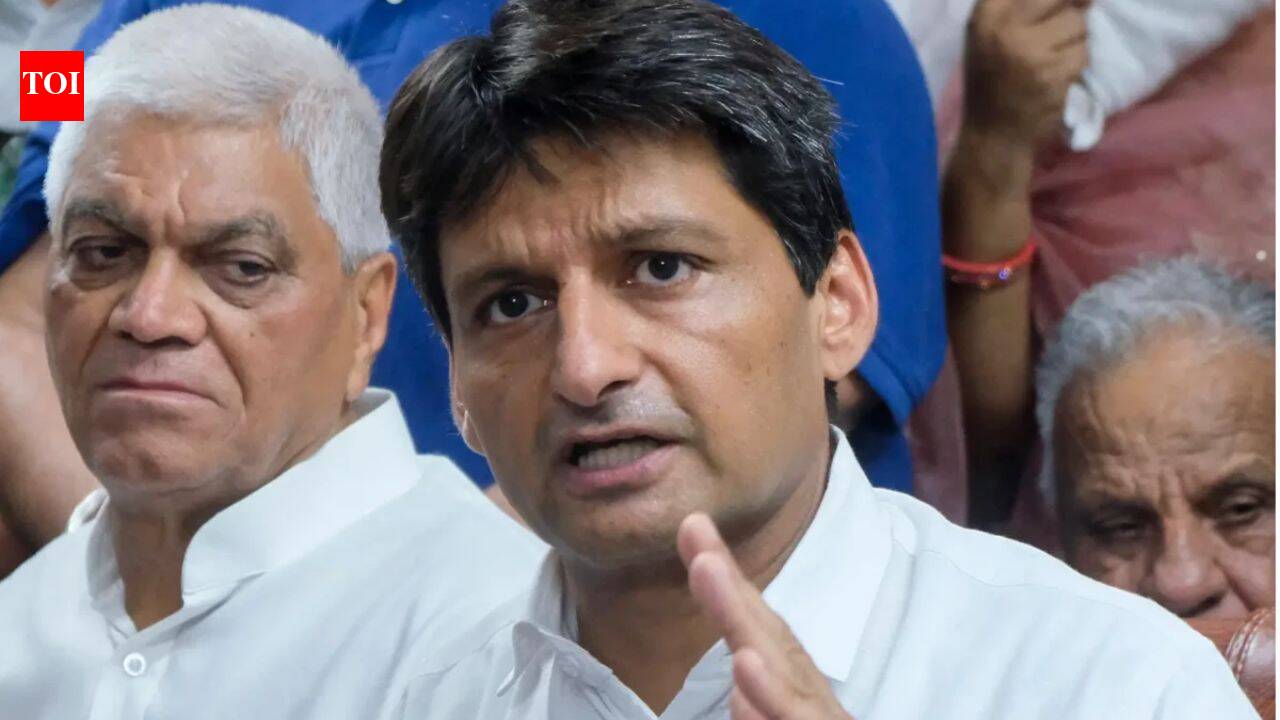
Protesters representing 1984 anti-Sikh riot victims gathered outside Rahul Gandhi's residence to demand an apology for comments praising Sajjan Kumar. The incident highlights internal Congress party tensions and ongoing public scrutiny regarding the party's stance on the 1984 riots.
Tensions Erupt Over 1984 Riots Legacy
Recent political discourse in India has been reignited by a contentious debate surrounding the legacy of Sajjan Kumar, a figure deeply entwined with the 1984 anti-Sikh riots. The controversy centers on remarks made by certain Congress leaders, including Deependra Hooda, who reportedly referred to Kumar as a 'role model' following his death. This characterization has triggered immediate backlash from victims' families and Sikh representative groups, who view such labels as a profound insult to those who suffered during the violence.
Protests at the Gandhi Residence
The intensity of public sentiment was evidenced by a protest staged directly outside the residence of Congress leader Rahul Gandhi. Demonstrators, representing families impacted by the 1984 riots, gathered to voice their indignation, explicitly demanding a formal apology from Gandhi and other senior party leadership. This protest serves as a physical manifestation of the long-standing grievance that the Congress party has failed to adequately address or apologize for the involvement of its members in the 1984 atrocities.
Internal Party Friction
The controversy has not remained limited to external protests; it has also fostered internal friction within the Congress party. The phrase 'mind your tongue' has emerged as a rallying cry among dissenting voices within the organization, signaling a significant divide regarding how the party should address its historical baggage. The clash between those offering praise for deceased party stalwarts and those seeking to distance the party from the violence of 1984 illustrates the precarious balancing act Congress faces in managing its historical reputation.
Historical Context and Political Implications
To understand the gravity of these protests, one must recognize the enduring scar that the 1984 anti-Sikh riots have left on the Indian political landscape. Sajjan Kumar’s association with these events has historically made him a polarizing figure, and any attempt to rebrand his image post-mortem is viewed by the Sikh community as a rejection of judicial findings and historical truth. For the Congress party, this incident highlights the difficulty of reconciling its political past with contemporary electoral requirements.
Future Trends and Accountability
Looking ahead, this incident suggests that the legacy of 1984 will remain a potent tool for political mobilization and a point of vulnerability for the Congress party. As long as leaders within the party continue to offer controversial tributes to individuals linked to the riots, the demand for accountability will likely persist. The pressure on Rahul Gandhi to issue a definitive statement reflects a broader public demand for closure and institutional recognition of the pain caused by the events of 1984.
Conclusion
The protest outside the Gandhi residence serves as a stark reminder that history remains a living issue in Indian politics. The ongoing friction between party members and the outcry from victims' families underscores that the narrative surrounding the 1984 riots is far from settled. Whether the Congress party chooses to address these demands for an apology will be a critical factor in how they are perceived by the public in the lead-up to future political cycles.
Multiple Citing Sources