Internal probe faults Museum police for hosting ED attack case accused during official Onam celebrations in Keralam
Source Entity
India Latest News: Top National Headlines Today & Breaking News | The Hindu
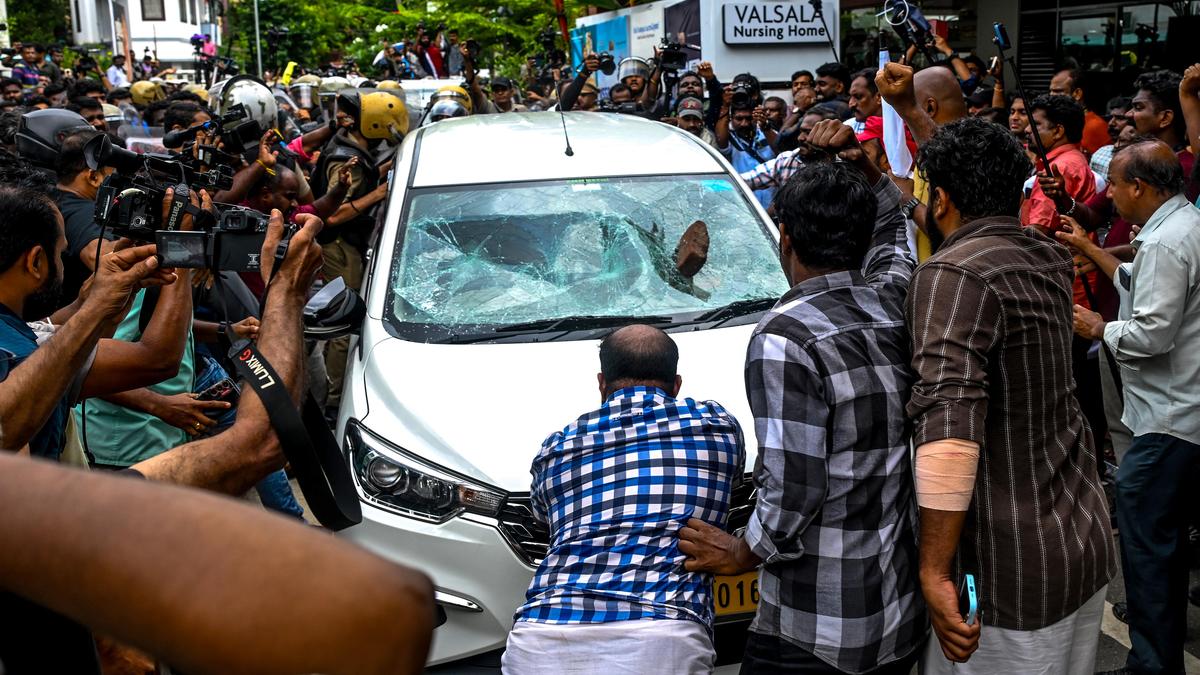
An internal probe has faulted Kerala's Museum police for allowing CPI(M) activists accused of attacking ED officials to join official Onam festivities. The incident sparked political outrage, forcing Home Minister Ramesh Chennithala to order a high-level investigation into the breach of conduct.
Breach of Protocol: The Museum Police Controversy
An internal investigation into the Museum police station in Keralam has revealed a significant violation of official conduct, centering on the participation of high-profile criminal suspects in a government-sanctioned event. The report indicates that the station permitted individuals accused in an Enforcement Directorate (ED) attack case—all identified as Communist Party of India (Marxist) [CPI(M)] activists—to join in-house Onam celebrations on August 22, 2026. This decision has sparked a firestorm of criticism regarding the integrity of local law enforcement.
The Erosion of Political Neutrality
The core of the controversy lies in the fundamental expectation of political neutrality within the police force. By allowing the prime accused, former Corporation councillor I.P. Binu, and his associates to participate in station festivities, the Museum police effectively blurred the lines between the state’s enforcement apparatus and partisan political actors. The fact that the accused were seen wearing the same festive attire as the officers suggests an alarming level of familiarity that undermines the public's trust in the criminal justice system.
Viral Evidence and Public Scrutiny
The incident gained traction after social media reels featuring the suspects celebrating directly in front of the station house went viral. This visual evidence provided an undeniable record of the breach, transforming a local procedural failure into a state-wide political scandal. The optics of accused individuals “making merry” with the very officers tasked with investigating them created a perception of impunity that the government could not ignore.
Political Fallout and Government Accountability
This episode has become a profound source of embarrassment for the Congress-led United Democratic Front (UDF) government. As the administration strives to maintain order and demonstrate the efficacy of its law enforcement agencies, such lapses provide ammunition for political rivals. The gravity of the situation prompted Home Minister Ramesh Chennithala to intervene directly, ordering a high-level probe to address the subversion of the department’s ethical obligations.
Broader Implications for Law Enforcement
Looking ahead, this incident poses serious questions regarding the institutional culture within Kerala’s police force. When law enforcement officers prioritize social cohesion with politically influential suspects over their duty to the judiciary, it creates a dangerous precedent. The findings of the internal inquiry serve as a wake-up call for the state to enforce stricter oversight and ensure that the sanctity of the investigation process remains insulated from political interference.
Conclusion
The investigation into the Museum police incident underscores a critical failure to uphold the ethical standards expected of public servants. As the government moves forward with its high-level probe, the focus must remain on restoring institutional credibility and ensuring that the law is applied equitably, regardless of political affiliation. The incident serves as a stark reminder that the intersection of politics and policing requires constant vigilance to prevent the erosion of democratic accountability.
Verification Required?