Supreme Court agrees to early hearing of journalist Abhishek Upadhyay’s plea against FIR
Source Entity
India Latest News: Top National Headlines Today & Breaking News | The Hindu
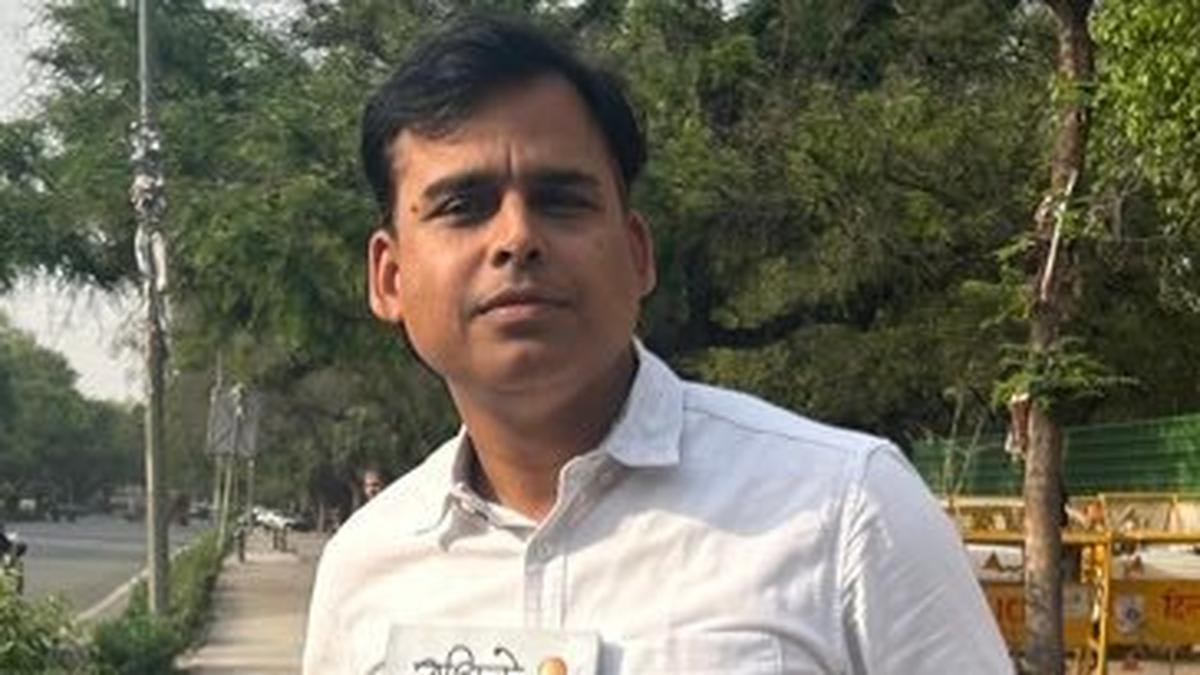
The Supreme Court has granted protection from coercive action to journalist Abhishek Upadhyay after he challenged an FIR lodged by Ghaziabad Police. Upadhyay, who reported on alleged irregularities at the Ayodhya Ram temple, claims the road rage case against him is a retaliatory move.
Judicial Intervention in Press Freedom
The Supreme Court of India, led by Chief Justice Surya Kant, has intervened in the ongoing legal conflict involving independent journalist Abhishek Upadhyay. By shielding the journalist from coercive action on August 25, 2026, the apex court has signaled its scrutiny of state-led legal maneuvers against media professionals. The case centers on an FIR lodged by the Ghaziabad Police, which Upadhyay contends is a fabricated instrument of harassment intended to silence his reporting.
Contextualizing the Allegations
Abhishek Upadhyay’s legal troubles follow his investigative reporting into the handling of donations at the Ayodhya Ram temple. The journalist alleges that the criminal charges brought against him—specifically a road rage case—are concocted. The gravity of the situation is compounded by the fact that the police have reportedly expanded the charges to include serious offenses under the Scheduled Caste and Scheduled Tribes (Prevention of Atrocities) Act, a move often viewed by legal critics as an escalation tactic in civil litigation.
Procedural Concerns and Transparency
A central pillar of Upadhyay’s plea is the lack of procedural transparency from the Ghaziabad Police. The journalist reported that he was not provided with a copy of the FIR, a fundamental right in the Indian legal system. In response to these claims, the Supreme Court has directed the Uttar Pradesh Police to furnish both the FIR documentation and relevant CCTV footage to the petitioner. This order ensures that the accused has the necessary evidence to mount a proper defense against the allegations.
Broader Implications for Journalism
This case highlights the recurring tension between state law enforcement agencies and independent journalists investigating sensitive public interest issues. When journalists report on high-profile religious or political infrastructure, such as the Ayodhya temple, they often face legal pushback. The Supreme Court's intervention serves as a critical check on the use of state machinery to intimidate reporters, reinforcing the protection of the press as a vital component of a functioning democracy.
Future Trends and Judicial Oversight
As the court continues to monitor the situation, the outcome of this case may set a precedent for how 'road rage' or other common criminal charges are scrutinized when they coincide with a journalist’s controversial reporting. The judiciary’s willingness to demand transparency, such as the production of CCTV evidence, suggests a tightening of oversight regarding the actions of local law enforcement. Moving forward, such cases will likely force police departments to maintain higher evidentiary standards to avoid judicial rebuke when pursuing legal action against public figures and media personnel.
Verification Required?