Fresh row over Jharkhand govt recruitment, OBC leaders threaten protest
Source Entity
Shubham Tigga
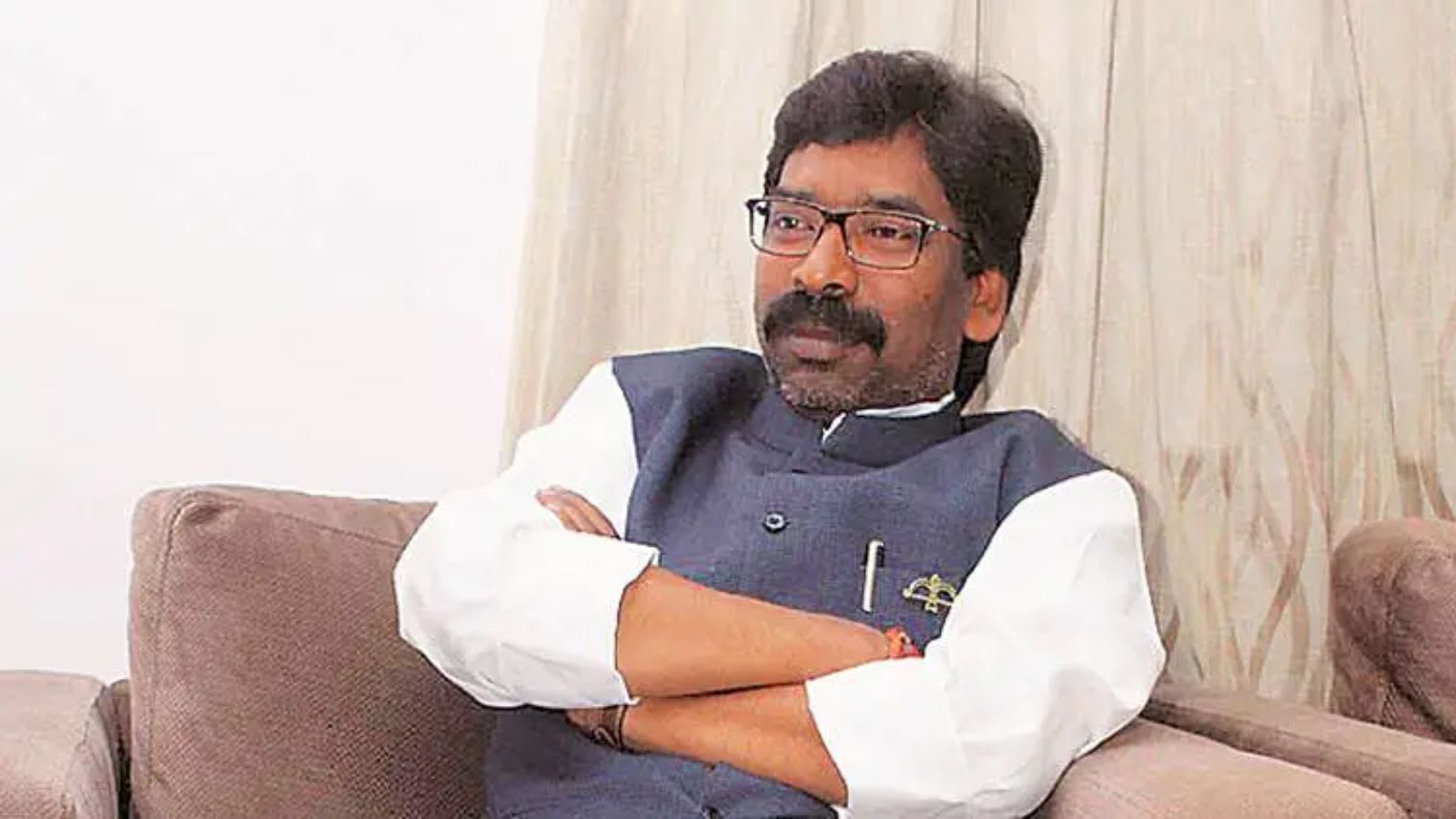
Jharkhand's latest teacher recruitment drive has sparked controversy due to the exclusion of OBC candidates from primary teacher vacancies. OBC organizations are now threatening statewide protests over the perceived marginalization in the 1,909-seat notification.
The Jharkhand Recruitment Crisis: An Analysis
The Spark of Contention
A significant controversy has emerged in Jharkhand following the publication of the Jharkhand Staff Selection Commission (JSSC) notification for assistant teacher recruitment. The core of the dispute lies in the allocation of 1,909 vacancies for primary teachers (classes 1 to 5), which explicitly excludes candidates from the Other Backward Classes (OBC) category. By failing to earmark a single seat for BC-I and BC-II candidates, the state government has ignited a firestorm of criticism from community leaders and advocacy groups who argue that the recruitment process is inherently exclusionary.
Dissecting the Vacancy Distribution
The JSSC notification allocates positions across Unreserved (UR), Scheduled Tribe (ST), Scheduled Caste (SC), and Economically Weaker Section (EWS) categories. However, the complete omission of OBCs—who form a substantial demographic in the state—has drawn sharp scrutiny. While the overall share for OBCs across the entire recruitment drive reportedly stands at a meager 5%, the absence of any primary teaching roles for these communities suggests a systemic failure to align recruitment policy with the state's demographic realities.
Historical Context and Political Implications
In Jharkhand, reservation policy has long been a sensitive political instrument. The state has previously grappled with complex dynamics regarding the implementation of the 27% OBC reservation quota. By deviating from established expectations of proportional representation, the current notification risks alienating a massive voting bloc. Historical precedents in Indian governance show that education and government employment are the primary vehicles for social mobility; restricting these paths, even through bureaucratic oversight, often leads to intense civil unrest.
The Threat of Statewide Protest
OBC organizations have reacted swiftly, warning of impending statewide protests to demand a revision of the recruitment notification. These groups argue that the current distribution undermines the fundamental principles of social justice. The threat of agitation places the JSSC and the state government under immense pressure to justify the vacancy matrix or initiate a corrective amendment process to accommodate the excluded categories.
Broad Implications and Future Trends
This incident highlights a broader trend of administrative friction within state-level public sector recruitment. As competition for government jobs intensifies, the transparency of reservation rosters becomes paramount. If the government fails to address these grievances, the situation may spiral into a larger movement against the state's employment policies. Moving forward, the JSSC will likely need to conduct a comprehensive audit of its reservation roster to ensure it complies with both constitutional mandates and the specific socio-political requirements of the state, or risk ongoing legal and social challenges.