Congress leader calls for a minimum of ₹300 per kg of tobacco
Source Entity
India Latest News: Top National Headlines Today & Breaking News | The Hindu
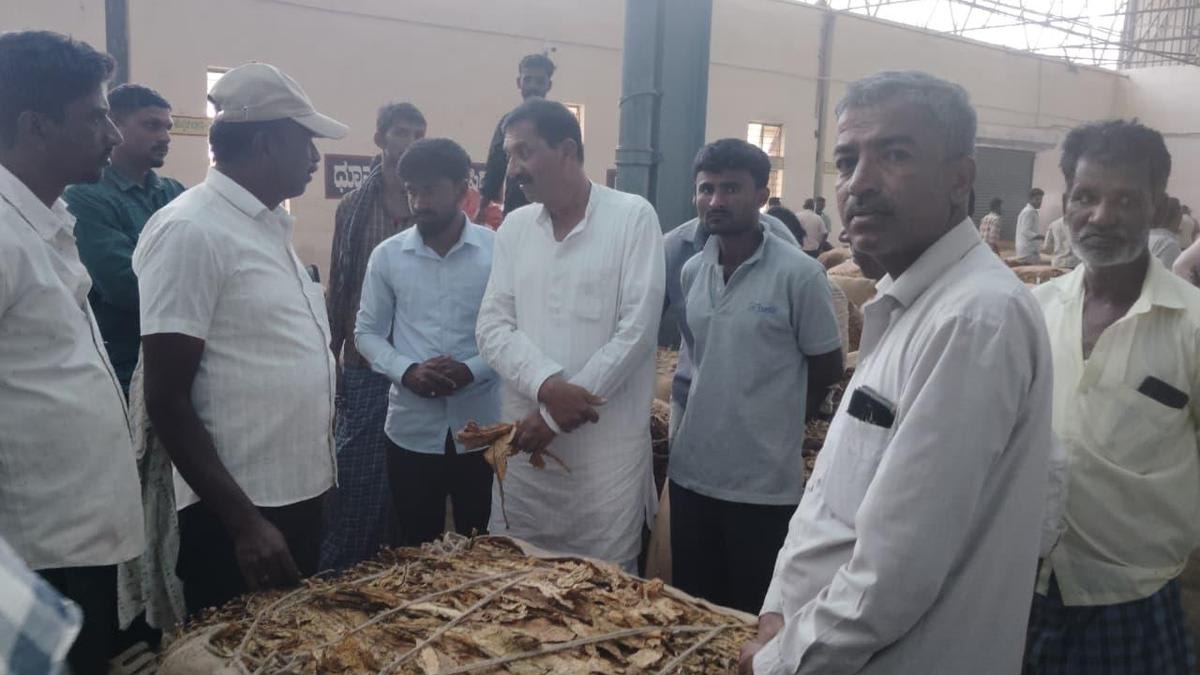
Congress leader M. Lakshmana has demanded a minimum price of ₹300 per kg for tobacco in Karnataka. He alleges that buying companies are forming cartels to suppress prices at auction platforms.
Tobacco Price Crisis in Karnataka: Farmers Demand Fair Compensation
Recent reports indicate a growing state of unrest among tobacco farmers in Karnataka as auction prices for their produce continue to fluctuate. M. Lakshmana, a spokesperson for the Karnataka Pradesh Congress Committee (KPCC) and a former Lok Sabha candidate for the Mysuru-Kodagu constituency, has intervened by publicly calling for a guaranteed minimum price of ₹300 per kg for tobacco. This demand comes as a direct response to the concerns expressed by cultivators during the current auction season, which officially began on October 23.
The Economic Stakes of FCV Tobacco
The Mysuru region is globally recognized for its production of high-quality Flue-Cured Virginia (FCV) tobacco. This specific variety is not only a staple of the local agricultural economy but is also a significant export commodity, reaching international markets. Because this crop is labor-intensive and requires specific climatic conditions, any downward trend in auction prices directly threatens the livelihoods of thousands of farmers who rely on these yields to sustain their households and repay agricultural loans.
Allegations of Market Manipulation
During his visit to the auction platform at Kaggundi village in Periyapatna taluk, M. Lakshmana engaged directly with farmers and officials from the Tobacco Board to assess the market reality. His primary allegation is that large tobacco-buying companies have effectively formed a cartel to manipulate auction prices. By allegedly suppressing the bidding process, these companies may be forcing farmers to accept lower margins, a practice that Lakshmana argues undermines the competitive nature of the open auction system.
The Role of Regulatory Oversight
Lakshmana’s intervention highlights a broader critique regarding the Union government's role in regulating agricultural commodity markets. The demand for a ₹300 per kg floor price suggests that current regulatory mechanisms are insufficient to protect small-scale producers from the influence of corporate buyers. The friction between the Tobacco Board’s operational procedures and the farmers' economic needs has created a volatile environment that requires urgent policy intervention to ensure transparency at the auction platforms.
Future Outlook and Policy Implications
As the auction season progresses, the pressure on the government to address these allegations will likely mount. If the perception of a price-fixing cartel persists, it could lead to widespread protests across the tobacco-growing belts of Karnataka. Moving forward, policymakers will need to balance the interests of international export competitiveness with the necessity of ensuring that farmers receive a fair, living wage for their high-grade FCV tobacco production. Without intervention, the current price instability could discourage future cultivation of this essential export crop.
Verification Required?