SIR adds 48,513 new voters in Kalaburagi, leaves 4.77 lakh out of electoral roll
Source Entity
India Latest News: Top National Headlines Today & Breaking News | The Hindu
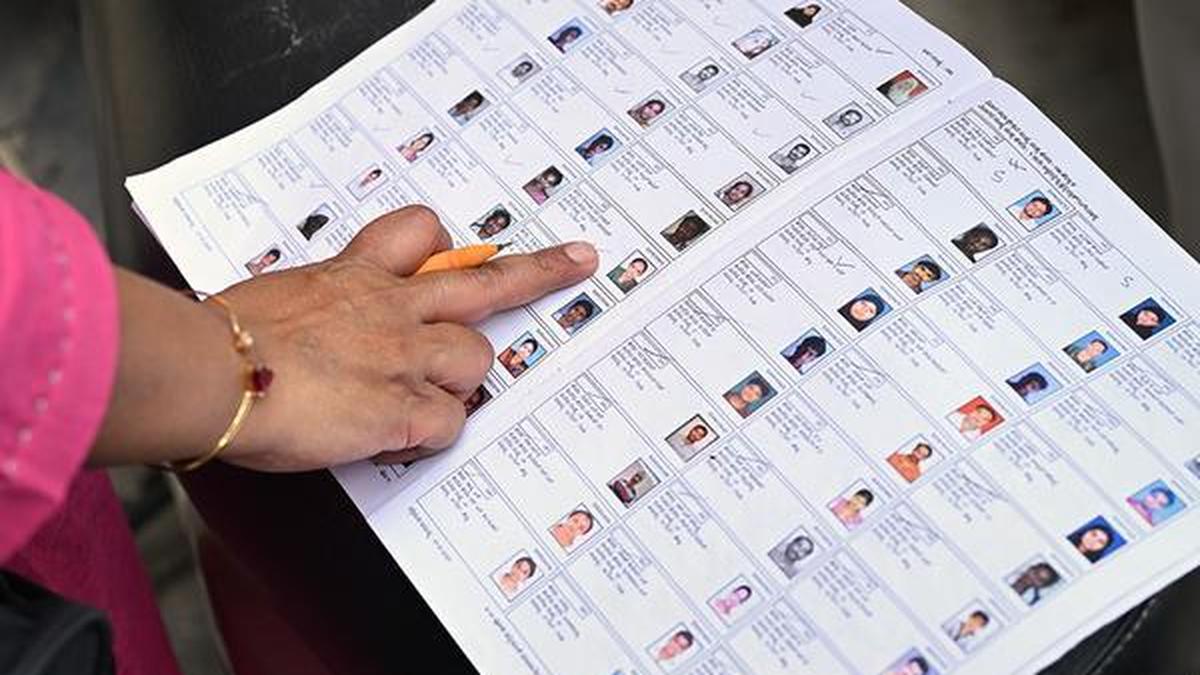
Karnataka's Special Intensive Revision (SIR) has concluded, resulting in a significant reduction of the state's voter base by nearly 1 crore people. The revision identified and removed millions of voters categorized as absent, dead, shifted, or duplicates to ensure the integrity of the electoral roll.
Karnataka Electoral Roll Overhaul: The Impact of the Special Intensive Revision
The Scope of the Electoral Purge
Karnataka recently concluded a massive administrative undertaking known as the Special Intensive Revision (SIR), a process that spanned 129 days and aimed to clean up the state's electoral rolls. The scale of this revision is unprecedented, with the state seeing a reduction of approximately 99.76 lakh voters from an initial pool of 5.5 crore. This leaves the final electorate at roughly 4.54 crore. The primary driver behind this decline was the rigorous identification and removal of voters categorized as ASDDO—Absent, Shifted, Dead, Duplicate, or Others.
Localized Impacts: The Case of Kalaburagi
The impact of this revision is starkly visible at the district level. In Kalaburagi, the final electoral roll lists 18,94,144 voters, down from 23,71,542 prior to the revision. This represents a decline of approximately 20.1%. While 48,513 new voters were added during this cycle, the net effect was a significant contraction. These figures illustrate the sheer volume of data reconciliation required to maintain an accurate democratic registry, as authorities scrutinized claims and objections following the initial draft roll publication on August 24.
Reasons for the Massive Decline
The removal of nearly 1 crore voters across Karnataka was not arbitrary. A substantial portion of these removals, specifically 65.45 lakh, were identified as 'permanently shifted.' The electoral commission's mandate to ensure each voter is registered at their current place of residence necessitates these deletions. When citizens move without updating their registration, they create 'ghost' entries that can lead to administrative inefficiencies and potential vulnerabilities in the voting process.
Demographic Shifts and New Registrations
Despite the massive purge, the electoral commission actively encouraged new participation. Across the state, nearly 7.87 lakh citizens applied for inclusion using Form 6, resulting in 6.83 lakh fresh registrations. A notable demographic trend highlighted by the data is the presence of 86.56 lakh voters within the 20-29 age group, suggesting a concentrated effort to capture the youth vote despite the overall reduction in total numbers. The final rolls now include a gender breakdown—as seen in Kalaburagi, where 9,61,210 men, 9,32,722 women, and 212 third-gender voters are now registered.
Broader Implications and Future Trends
The conclusion of the SIR process represents a critical step toward ensuring that electoral rolls reflect the current demographic reality of Karnataka. By removing millions of redundant or outdated entries, the Election Commission aims to streamline the voting process and enhance the integrity of upcoming elections. Moving forward, the challenge for electoral officials will be to maintain this accuracy through continuous updates rather than relying solely on periodic, massive revisions. This event underscores the importance of civic responsibility in updating voter details, as the state moves toward a more precise digital electoral infrastructure.
Verification Required?