Karnataka government urged to declare drought, announce relief of ₹40,000 for each farmer
Source Entity
India Latest News: Top National Headlines Today & Breaking News | The Hindu
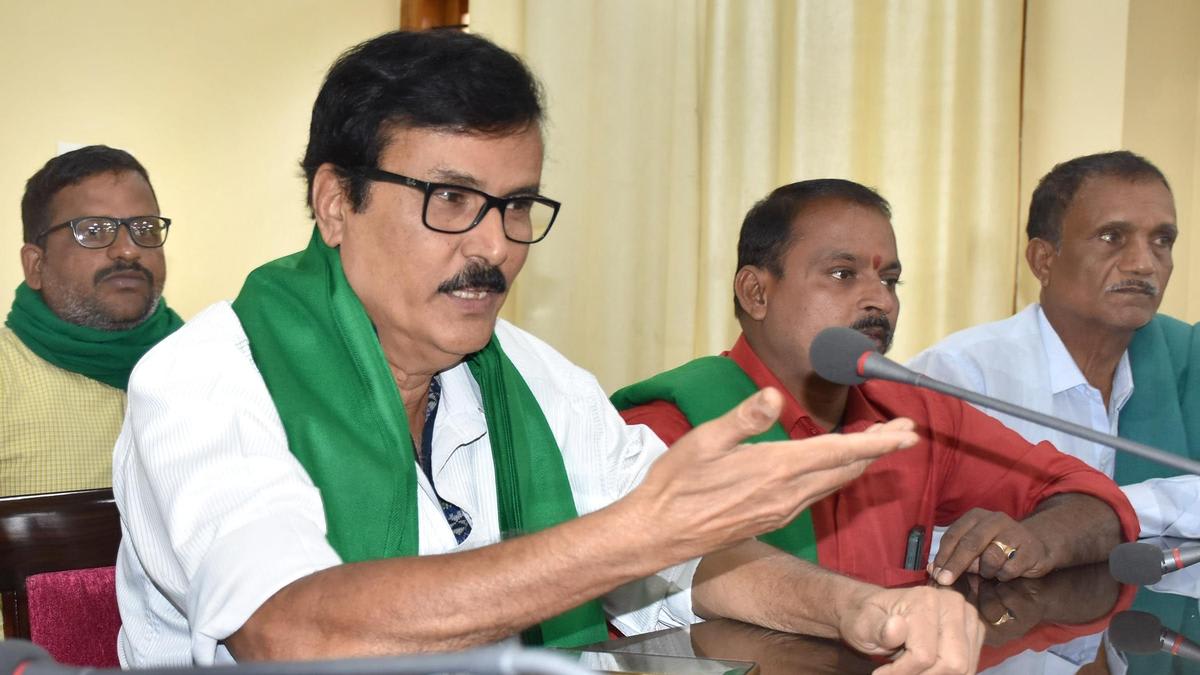
The State Sugarcane Growers’ Association is urging the Karnataka government to officially declare a drought following severe rainfall deficits. The association is demanding ₹40,000 in compensation per farmer and a comprehensive waiver of crop loans across various banking sectors.
Agricultural Crisis in Karnataka: The Push for Drought Declaration
The agricultural landscape of Karnataka is currently facing a significant crisis, as evidenced by the urgent appeals from the State Sugarcane Growers’ Association. The association has publicly criticized the state government for its perceived hesitation and delay in officially declaring a drought, despite widespread evidence of a severe rainfall deficit. This official declaration is not merely a formality; it is the critical administrative trigger required to unlock state-funded relief packages, insurance payouts, and emergency subsidies that farmers rely on to survive catastrophic crop failures.
The Scale of Environmental Distress
According to State President Kurubur Shanthakumar, the environmental impact has been widespread, with nearly 50% of the state experiencing deficient rainfall. This deficit has created a cascading effect that extends beyond the fields. The lack of precipitation has led to acute shortages of drinking water and a decline in electricity availability, likely due to reduced hydroelectric capacity. For the farming community, this means a double blow: they lack the natural rainfall required for growth and the infrastructure (water and power) necessary to implement artificial irrigation strategies.
Impact on High-Value Water-Intensive Crops
Particular attention is being drawn to the plight of sugarcane and banana growers. These specific crops are notoriously water-intensive, requiring consistent irrigation to reach maturity and maintain quality. The reports indicate that standing crops are currently drying up, and in many regions, the moisture levels are so low that farmers were unable to even begin the sowing process. When high-value crops like sugarcane wither, the financial loss is magnified, as these crops represent a significant investment of time and capital over a longer growth cycle compared to seasonal grains.
Financial Instability and the Demand for Relief
To mitigate these losses, the State Sugarcane Growers’ Association has proposed a two-pronged financial rescue plan. First, they are demanding immediate direct compensation of ₹40,000 for every affected farmer to cover basic survival and operational costs. Second, they are seeking a comprehensive waiver of crop loans. Crucially, the association is not limiting this request to government-run institutions but is calling for waivers across nationalised, co-operative, and private banks. This highlights the deep penetration of debt among farmers who often borrow from multiple sources to sustain their agricultural activities.
Administrative Delays and Economic Implications
The friction between the growers' association and the Karnataka government centers on the timing of the drought declaration. In agricultural governance, the window for declaring a drought is narrow; a delay can result in farmers missing the deadline for insurance claims or failing to receive seeds and fertilizers for the next planting cycle. The association's criticism suggests a gap between the ground reality of withered crops and the government's official assessment, a tension that often leads to increased rural unrest and political instability in agrarian-heavy states.
Conclusion and Future Outlook
In summary, the situation in Karnataka underscores the extreme vulnerability of the sugarcane and banana sectors to climate volatility. The demand for ₹40,000 in relief and wide-ranging loan waivers reflects a community on the brink of financial collapse. Moving forward, the government's response to these demands will likely determine the stability of the region's agricultural output. Unless a formal drought declaration is made and financial aid is distributed, the state risks a prolonged economic downturn in its rural heartlands, potentially leading to a decrease in sugarcane production and a rise in farmer indebtedness.
Verification Required?