"Didn't Approve This": Katy Perry Slams White House For Using Her Song 'Firework' In Iran War Post
Source Entity
NDTV News Search Records Found 1000
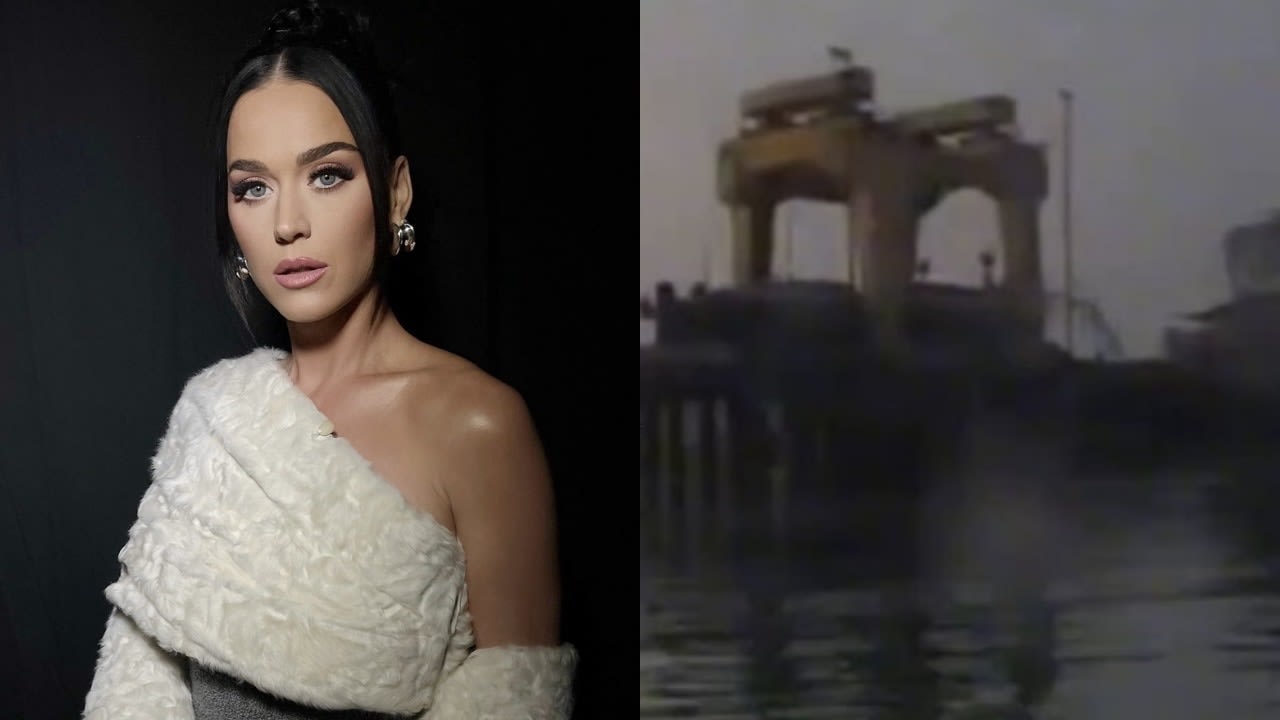
Pop star Katy Perry has publicly condemned the White House for using her anthem 'Firework' in a TikTok video featuring military strikes. Perry expressed deep anger, stating the usage was unauthorized and a violation of the song's message of hope.
The Intersection of Pop Culture and Geopolitics
The recent controversy involving the White House’s use of Katy Perry’s 2010 hit "Firework" in a TikTok video featuring military strikes marks a significant friction point between cultural messaging and state-sponsored digital communication. By pairing a song explicitly written as an anthem for personal healing and inner strength with footage of kinetic military action, the administration inadvertently sparked a public relations crisis. Perry’s immediate reaction on social media underscores the disconnect between the intended emotional resonance of pop art and its appropriation for government messaging.
The Intent of the Art vs. The Reality of War
Katy Perry’s "Firework," a Billboard Hot 100 number-one single, has long been categorized as an uplifting track designed to empower individuals during their darkest moments. When an artist creates a work meant to inspire self-worth, the sudden juxtaposition with violent military imagery creates a jarring cognitive dissonance for the audience. Perry’s statement that the usage was a "complete violation" of the song’s purpose highlights a fundamental tension: artists often lose control over the context of their work once it enters the public sphere, but the use of such material by a government entity brings an added layer of ethical scrutiny.
Unauthorized Usage and Institutional Oversight
Central to the controversy is the admission that the White House did not seek approval or permission to use the track. In the digital age, government accounts often utilize popular trends to increase engagement, yet this incident reveals a lack of rigorous vetting processes regarding the copyright and thematic alignment of media. The White House’s failure to consult the artist has turned a post intended to showcase military capability into a narrative about administrative insensitivity and a lack of respect for intellectual property.
The Digital Battlefield of Public Relations
This incident also reflects a broader trend of government bodies attempting to leverage social media platforms like TikTok to reach younger demographics. However, as this case demonstrates, the risk of tone-deaf content is high. By weaponizing an anthem of "hope and healing" to soundtrack destruction, the administration shifted the focus from the military event itself to the perceived impropriety of the social media strategy. This serves as a case study in how government digital communication must navigate the fine line between relatability and crassness.
Broader Implications and Future Trends
Looking forward, this event is likely to serve as a cautionary tale for government communications offices regarding the use of licensed music. We may see a tightening of internal policies regarding the vetting of audio-visual content to ensure that artists’ messages are not exploited in ways that invite public backlash. Furthermore, the incident underscores the growing power of artists to hold political institutions accountable in real-time, leveraging their massive social media platforms to challenge official narratives and demand ethical standards in digital outreach.
Multiple Citing Sources
Verification Required?