You were at Delhi protest, but your police booked protesters in Kerala: Pinarayi Vijayan to CM Satheesan
Source Entity
Shaju Philip
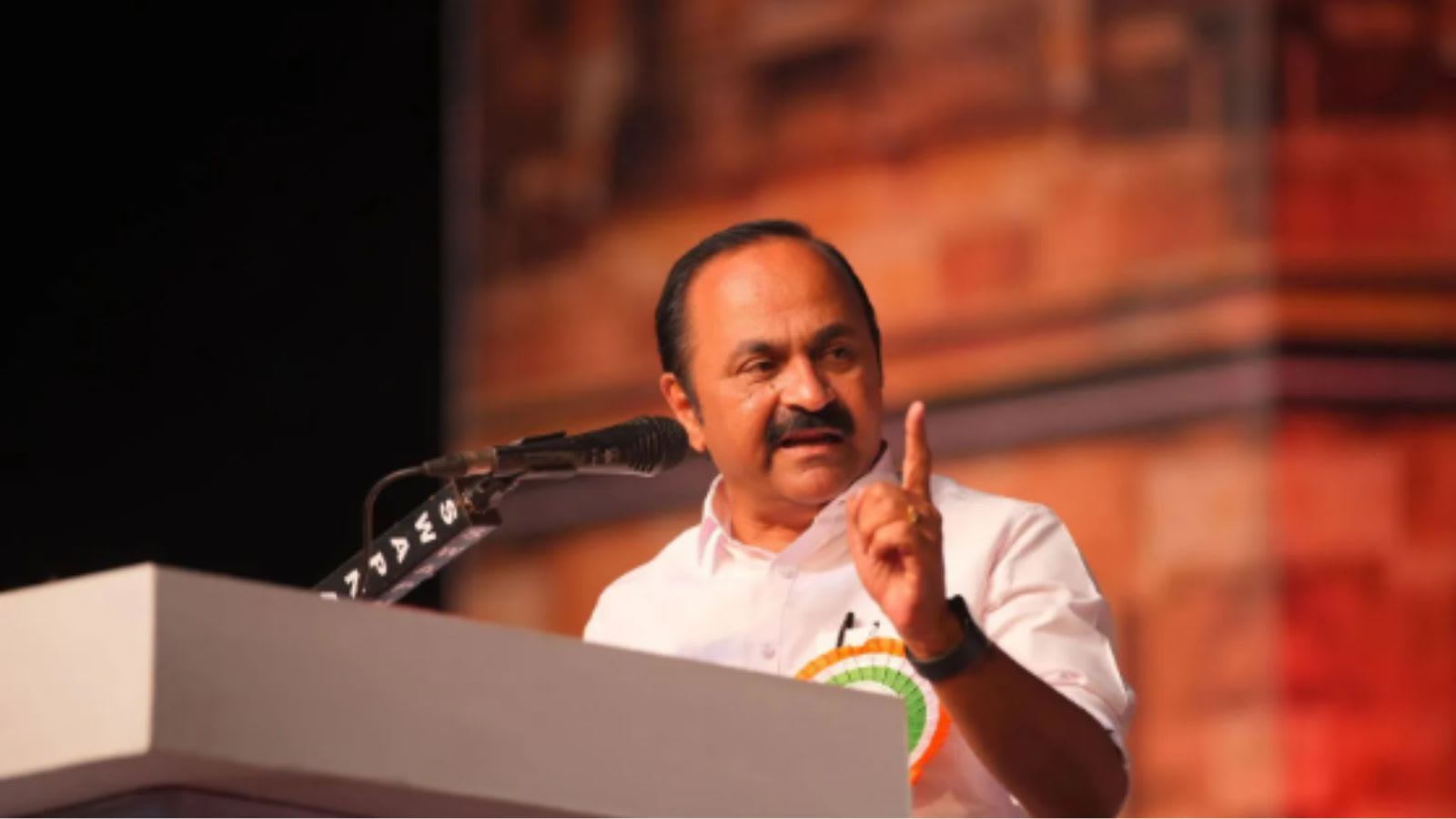
Kerala Chief Minister V D Satheesan has initiated a review to potentially withdraw cases against protesters who demonstrated in solidarity with Delhi students. This follows a formal request by Opposition Leader Pinarayi Vijayan, highlighting ongoing political tensions regarding public assembly rights.
Political Tensions Over Protest Rights in Kerala
Recent developments in Kerala have brought the issue of the right to peaceful protest and the state's legal response to public demonstrations to the forefront of political discourse. Kerala Chief Minister V D Satheesan has officially directed the state’s Home Department to review the status of legal cases filed against individuals who participated in demonstrations held in solidarity with the recent student protests at Jantar Mantar in Delhi. This administrative move follows a direct appeal from Opposition Leader Pinarayi Vijayan, who has advocated for the unconditional withdrawal of all charges related to these gatherings.
The Legal and Administrative Backdrop
The cases in question primarily involve charges related to 'unlawful assembly' and gathering in public spaces without prior authorization. While police sources indicate that these are largely bailable offences, the act of booking protesters has sparked a debate regarding the threshold of civil liberties versus the necessity of public order. By tasking the Home Department with evaluating these cases, the Chief Minister’s Office is navigating the delicate balance between maintaining law and order and responding to the democratic demand for the right to protest.
The Role of Political Advocacy
The intervention of Pinarayi Vijayan underscores the adversarial but functional nature of Kerala’s political landscape. By formally requesting the withdrawal of these cases, the Opposition is positioning itself as a defender of civil society and student activism. This move is significant as it forces the current administration to audit the actions of the state police force, potentially setting a precedent for how future solidarity protests are handled by law enforcement agencies within the state.
Implications for Civil Liberties
This incident highlights a broader trend in Indian politics where solidarity movements—often sparked by national events like the Jantar Mantar protests—frequently lead to localized legal friction. When protesters are booked for 'unlawful assembly,' it raises questions about the definition of public space and the bureaucratic hurdles required for citizens to exercise their right to free expression. The outcome of the Home Department’s review will serve as a bellwether for how the Kerala government intends to treat political dissent in the coming months.
Future Trends and Conclusion
Looking ahead, the decision to either drop or pursue these cases will likely influence the climate for future public demonstrations in the state. If the government opts for a lenient approach, it may encourage further civic participation; conversely, maintaining the charges could lead to increased friction between the state and student-led activist groups. As the Home Department completes its review, the focus remains on whether the state will prioritize the preservation of civil rights over the strict enforcement of public gathering regulations.