What Meta, Google, and BlackRock get for training electricians
Source Entity
Yahoo Finance
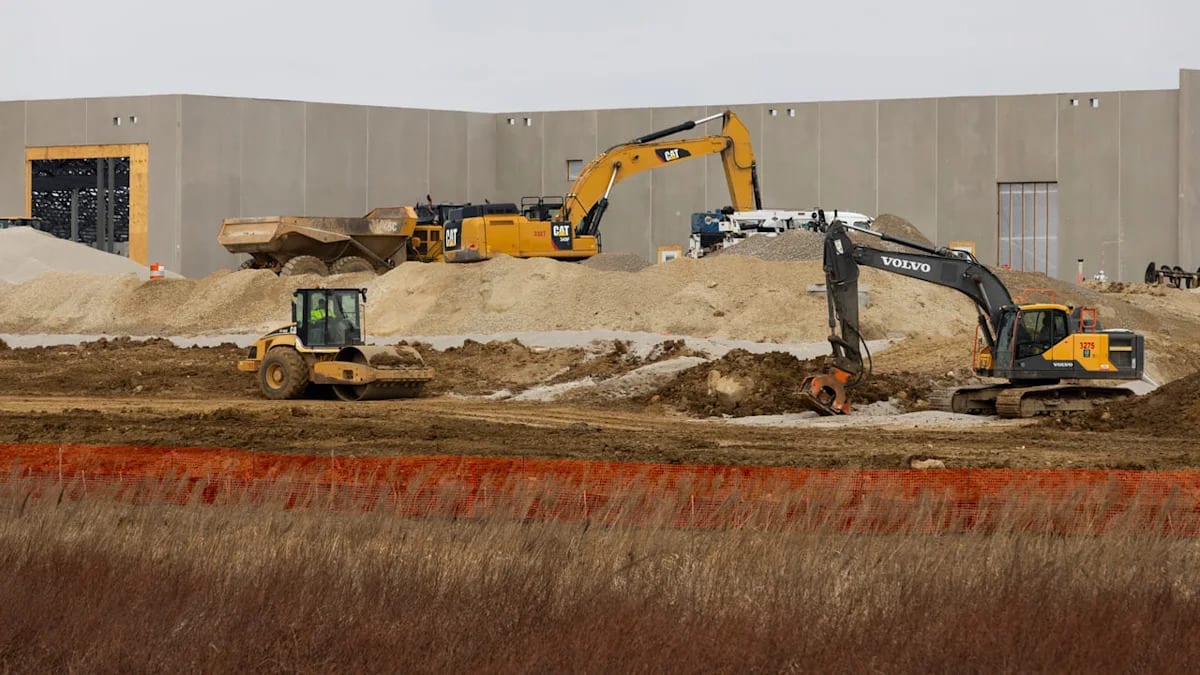
Meta and Google are investing in electrical worker training to solve labor shortages hindering data center construction. Meta's $115 million academy offers a five-week shortcut to certification, while Google is backing 130,000 workers through the Electrical Training Alliance.
The Infrastructure Bottleneck: Tech Giants Pivot to Trade Training
The rapid acceleration of artificial intelligence has created an unprecedented demand for data center expansion, shifting the primary bottleneck from semiconductor availability to physical infrastructure. As Meta and Google race to build the massive facilities required to power next-generation AI, they have encountered a critical shortage of skilled electrical workers. This scarcity has forced these technology behemoths to move beyond software engineering and venture into the realm of vocational training, attempting to manufacture a workforce of electricians to ensure their construction timelines remain on track.
Meta's Accelerated Approach: The America's Workforce Academy
Meta has adopted a high-speed, corporate-led model through its America's Workforce Academy, announced in June. With a significant investment of $115 million, the program is designed as a shortcut to traditional licensure, which typically takes years of apprenticeship and study. By flying recruits to Louisiana and providing housing and training for a condensed five-week period, Meta is effectively industrializing the training process. Graduates earn a National Center for Construction Education and Research (NCCER) certification and an America's Workforce Certificate, providing them with a baseline qualification specifically tailored for data center construction.
The Trade-Off: Specialized Credentials vs. Career Longevity
While Meta's program lowers the barrier to entry—opening its doors even to those with zero construction experience—it introduces a precarious employment model. Unlike traditional licensed electricians who possess a portable, lifelong trade, Meta's recruits are often tied to specific projects. The analysis of the program reveals a critical caveat: the promise of employment often ends the moment construction wraps on the specific site for which the recruit was hired. This creates a "gig-economy" version of skilled labor, where the worker gains a credential and a short-term job, but lacks the comprehensive training provided by long-term apprenticeships.
Contrasting Strategies: Google and the Electrical Training Alliance
In contrast to Meta's internal "crash course," Google has opted for a strategy based on institutional partnership. In April 2025, Google announced its backing of 100,000 electrical workers and 30,000 new apprentices through the Electrical Training Alliance. This alliance, jointly operated by electricians' unions and contractors' trade groups, represents the traditional pathway to licensure. By funneling resources into an existing system that does not rely on taxpayer money, Google is betting on the sustainability of the established trade pipeline rather than creating a proprietary, accelerated alternative.
Broader Implications for the Labor Market
This divergence in strategy highlights a broader tension in the modern economy: the need for immediate scale versus the necessity of sustainable skill development. Meta's model prioritizes speed and immediate deployment to meet urgent data center deadlines, whereas Google's approach supports the long-term health of the electrical trade. As AI continues to drive the demand for energy-intensive infrastructure, the competition for "blue-collar" talent will likely intensify, potentially leading more tech companies to either disrupt traditional trade schools or become their primary financiers.
Conclusion: The New Frontier of Tech Investment
Ultimately, the initiatives by Meta and Google signal a fundamental shift in how Big Tech views its supply chain. The realization that software cannot exist without stable, high-voltage power has turned the electrician into a strategic asset. Whether through Meta's fast-tracked Louisiana academy or Google's large-scale apprenticeship backing, the tech industry is now actively shaping the vocational landscape to ensure that the physical world can keep pace with the digital one.