Microsoft hits 10 quarters of record- breaking revenue in a row
Source Entity
Julie Bort
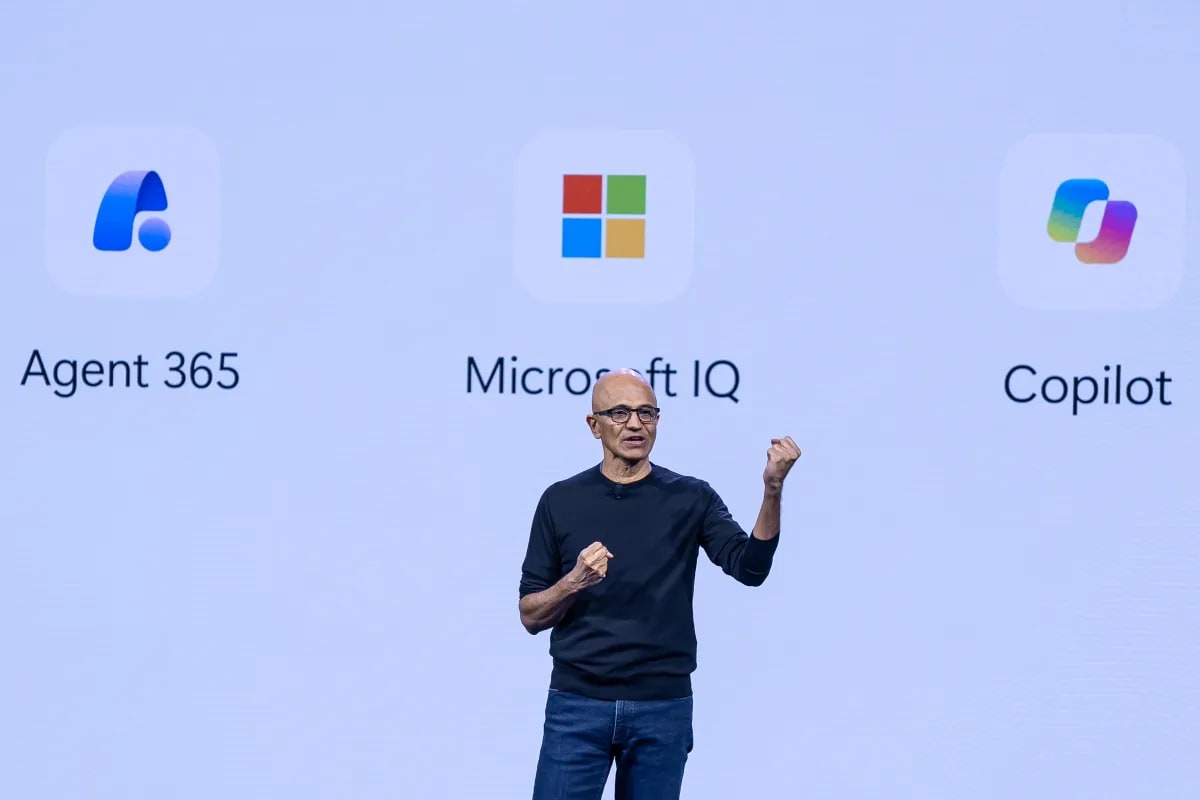
Microsoft achieved record-breaking Q1 fiscal 2027 results with $92.3 billion in revenue, driven by strong cloud performance. The company has also debuted a simplified financial reporting structure, now divided into 'Agents and Infra' and 'Devices and Consumer' segments.
Microsoft's Strategic Shift: A New Era of Financial Reporting
Microsoft has officially kicked off its 2027 fiscal year with a commanding financial performance, reporting $92.3 billion in revenue for the first quarter. This represents a significant 19 percent year-over-year growth, underscoring the tech giant's continued dominance in the global marketplace. Alongside this revenue surge, the company reported a net income of $33.6 billion, marking a substantial 32 percent increase compared to the same period last year. This milestone marks the tenth consecutive quarter of record-breaking revenue for the company, a streak that highlights its sustained momentum in a competitive tech landscape.
The Power of the Cloud
The driving force behind these historic numbers remains the strength of the Microsoft Cloud, which generated an impressive $63.9 billion in revenue this quarter. This segment alone saw a 30 percent increase over the previous year, proving that Microsoft’s infrastructure investments are yielding significant returns. As enterprises globally shift toward digital transformation and integrated server solutions, Microsoft’s cloud offerings have become the cornerstone of its financial health, effectively insulating the company from broader economic fluctuations.
Reorganizing for the Future
To reflect the evolving nature of its business, Microsoft has overhauled its financial reporting structure. The company has moved away from its legacy segments—Productivity and Business Processes, Intelligent Cloud, and More Personal Computing—to a more streamlined binary model. The business is now categorized into two primary segments: 'Agents and Infra' and 'Devices and Consumer.' This change is not merely cosmetic; it signals a strategic pivot toward prioritizing AI-driven agents and infrastructure as the primary value drivers for the company moving forward.
Analyzing the 'Agents and Infra' Segment
The 'Agents and Infra' segment now represents the core of Microsoft’s operations, accounting for 83 percent of the company's total revenue. This segment bundles Azure, Microsoft 365, and server products, reflecting how deeply integrated these services have become within the modern corporate ecosystem. By consolidating these services, Microsoft is signaling to investors that it views its infrastructure and AI-agent capabilities as a unified, inseparable engine for future growth.
Implications and Future Trends
This reporting overhaul suggests that Microsoft is positioning itself to be judged primarily on its success in AI deployment and infrastructure scale. By simplifying its financial narrative, the company is likely attempting to provide clearer visibility into its most profitable segments. Looking ahead, the market will be watching closely to see if the 'Agents and Infra' segment can maintain its double-digit growth rates as the company continues to scale its AI capabilities. If these trends persist, Microsoft is well-positioned to maintain its current trajectory of record-breaking performance for the remainder of the 2027 fiscal year.
Multiple Citing Sources