16 Killed In Rain-Related Incidents Amid Monsoon Fury In North, East India
Source Entity
NDTV News Search Records Found 1000
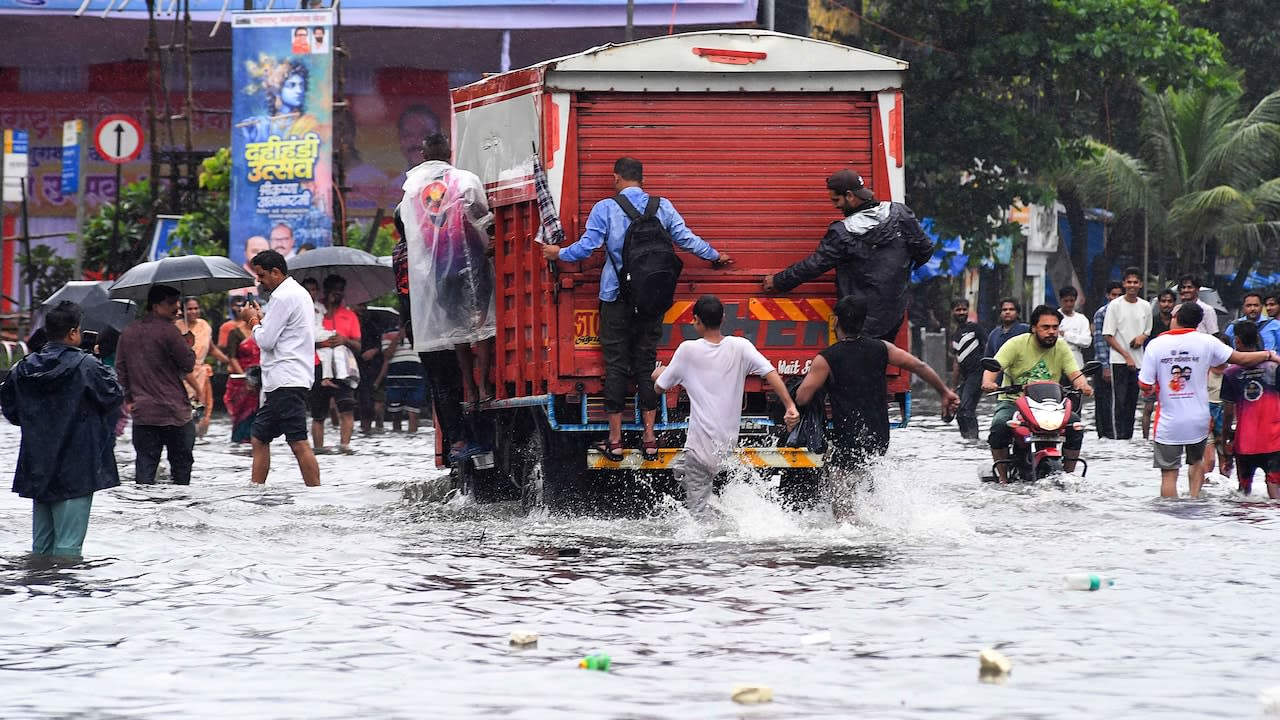
Sixteen people have died in rain-related incidents across North and East India. The IMD has warned that active monsoon conditions will persist in these regions for the next 6-7 days.
Monsoon Fury Claims 16 Lives Across North and East India
India is currently grappling with a severe spell of monsoon activity that has already resulted in the tragic loss of 16 lives. The casualties, attributed to various rain-related incidents, highlight the volatile nature of the seasonal rains as they sweep through the northern and eastern corridors of the country. This surge in precipitation has transformed seasonal weather patterns into a deadly force, underscoring the vulnerability of infrastructure and human settlements during peak monsoon intensity.
Analyzing the Human Impact and Immediate Risks
The death toll of 16 individuals serves as a grim reminder of the dangers associated with heavy rainfall in these specific geographies. While the reports categorize these as "rain-related incidents," such events typically encompass a range of disasters including flash floods, landslides, and structural collapses. The concentration of these deaths in North and East India suggests a synchronized weather system that is delivering high volumes of moisture, overwhelming local drainage systems and destabilizing terrain in hilly regions.
The IMD Forecast and Short-Term Outlook
The India Meteorological Department (IMD) has issued a critical forecast, predicting that active monsoon conditions will persist across North, East, and Northeast India for the next 6-7 days. This window of continued activity is particularly concerning because saturated soil from previous rains increases the likelihood of further landslides and flooding. An "active" monsoon indicates that rainfall is occurring over a significant portion of the region, meaning the risk is not isolated to a single city or state but is a widespread regional crisis.
Regional Vulnerabilities in North and East India
The geographical diversity of North and East India plays a significant role in how these rains manifest. In the North, the interaction between monsoon winds and the Himalayan foothills often leads to intense cloudbursts and rapid runoff. Meanwhile, the East and Northeast regions, characterized by dense river networks and high humidity, are prone to prolonged flooding. The IMD's inclusion of the Northeast in its 6-7 day forecast suggests that the moisture-laden winds are deeply penetrating the subcontinent, putting millions at risk of displacement and property damage.
Broader Implications and Future Trends
Looking ahead, the persistence of these conditions for another week could lead to a cumulative disaster. Extended periods of active monsoon weather often result in agricultural disruptions, where excessive water destroys standing crops, and transport networks are severed due to road washouts. If the forecast holds, the primary challenge for local administrations will be the evacuation of low-lying areas and the reinforcement of landslide-prone slopes to prevent the death toll from rising further.
Conclusion
In summary, the current monsoon fury has already claimed 16 lives, and the danger is far from over. With the IMD forecasting continued active conditions for the next week across North, East, and Northeast India, there is an urgent need for heightened vigilance and disaster preparedness. The situation remains critical as the region braces for another 6-7 days of intense rainfall.
Verification Required?