Parliament Monsoon Session 2026 LIVE Updates: PM Modi Along With NDA MPs Meet As Parliament Monsoon Session Continues
Source Entity
NDTV News Search Records Found 1000
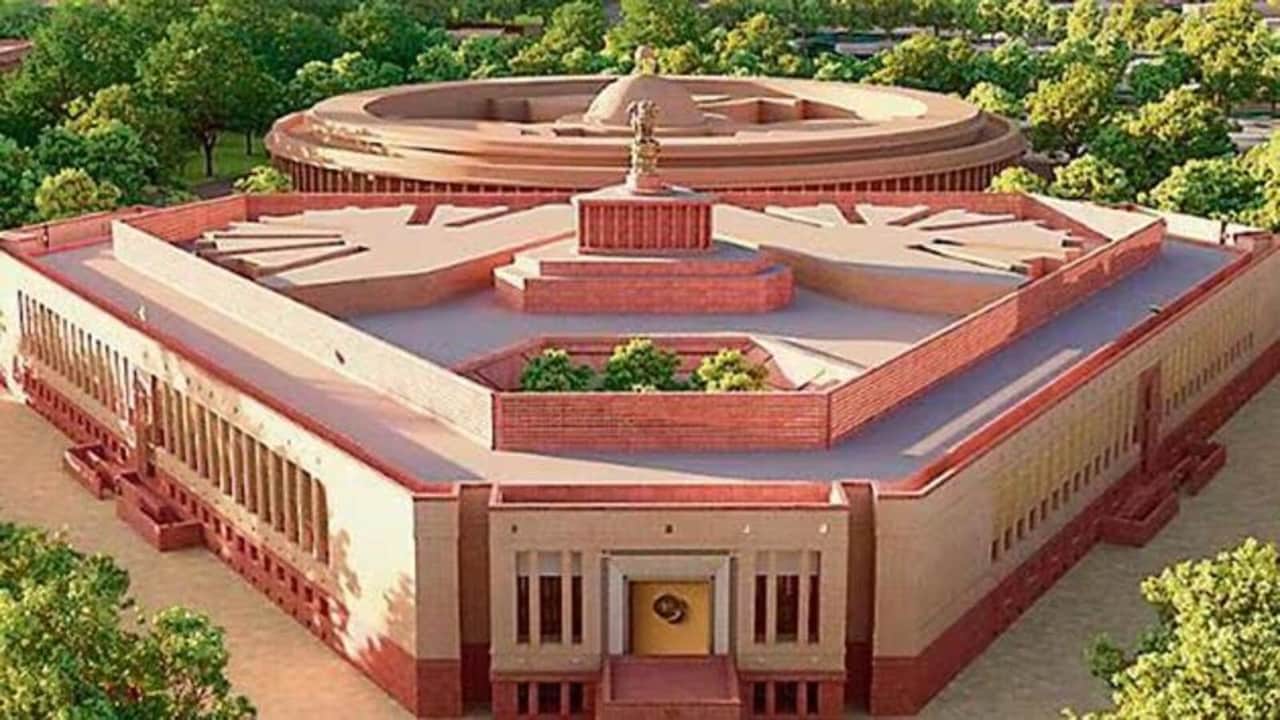
The Monsoon Session of Parliament faced immediate disruption as Opposition parties protested over the NEET paper leak and Ayodhya temple donation theft. Simultaneously, tens of thousands of protesters clashed with police in Delhi, leading to significant unrest and the eventual adjournment of legislative proceedings.
Parliament Monsoon Session Paralyzed by Intense Protests
The Monsoon Session of Parliament commenced on July 20, 2026, under a cloud of intense political volatility. The first day was effectively rendered a washout as Opposition members from parties including Congress, the Samajwadi Party (SP), and the Trinamool Congress (TMC) descended into the Well of the House. These disruptions were fueled by two primary grievances: the alleged NEET paper leak and reports of donation theft at the Ram Temple in Ayodhya. The systemic impasse underscored a deepening divide between the treasury benches and the Opposition, setting a turbulent tone for the remainder of the session.
The NEET Crisis and Street-Level Unrest
Parallel to the parliamentary logjam, the streets of Lutyens’s Delhi witnessed significant civil unrest. An estimated 50,000 protesters, largely mobilized by the Cockroach Janta Party (CJP), attempted to march toward Parliament to demand the resignation of Union Education Minister Dharmendra Pradhan. The scale of the demonstration, characterized by the breaching of police barricades across major arteries like Ashoka Road and Janpath, necessitated a heavy-handed response from security forces, including the use of lathicharge, tear gas, and water cannons.
Legislative Stagnation vs. Urgent Reforms
Despite the frequent adjournments—totaling six throughout the day before a final closure at 3 p.m.—the government managed to conduct a singular, critical piece of business. Union Law Minister Arjun Ram Meghwal introduced a Bill aimed at replacing an existing Ordinance. This legislative move is designed to expand the capacity of the judiciary by increasing the number of Supreme Court judges from 34 to 38, including the Chief Justice of India. This act highlights the government's intent to push through judicial reforms even amidst intense political friction.
Strategic Divergence Within the Opposition
While the Opposition presented a largely unified front regarding the NEET issue, signs of internal strategic divergence emerged. The DMK, for instance, chose to prioritize the Mekedatu water dispute, opting to skip a strategy meeting held by the Congress. Furthermore, the procedural focus on the seating arrangements of rebel TMC MPs signaled underlying tensions within the Opposition bloc. Such fragmentation suggests that while the NEET issue serves as a powerful rallying cry, the Opposition’s ability to sustain a cohesive long-term legislative strategy remains fragile.
Broader Implications and Future Trends
Looking ahead, the events of this opening day point toward a session defined by confrontation rather than consensus. The combination of external street protests and internal parliamentary obstruction creates a high-pressure environment that threatens to stall essential legislative agendas. If the government fails to address the specific demands regarding the Education Minister’s resignation, the trend of recurring adjournments is likely to persist. Furthermore, the focus on judicial expansion amidst these protests suggests a government strategy of attempting to move forward with institutional structural changes while simultaneously managing a volatile public narrative regarding exam integrity and social issues.
Multiple Citing Sources
Verification Required?