Mumbai Civic Body Rejects Official Report On Tree Collapse That Killed Boy, Orders New Probe
Source Entity
NDTV News Search Records Found 1000
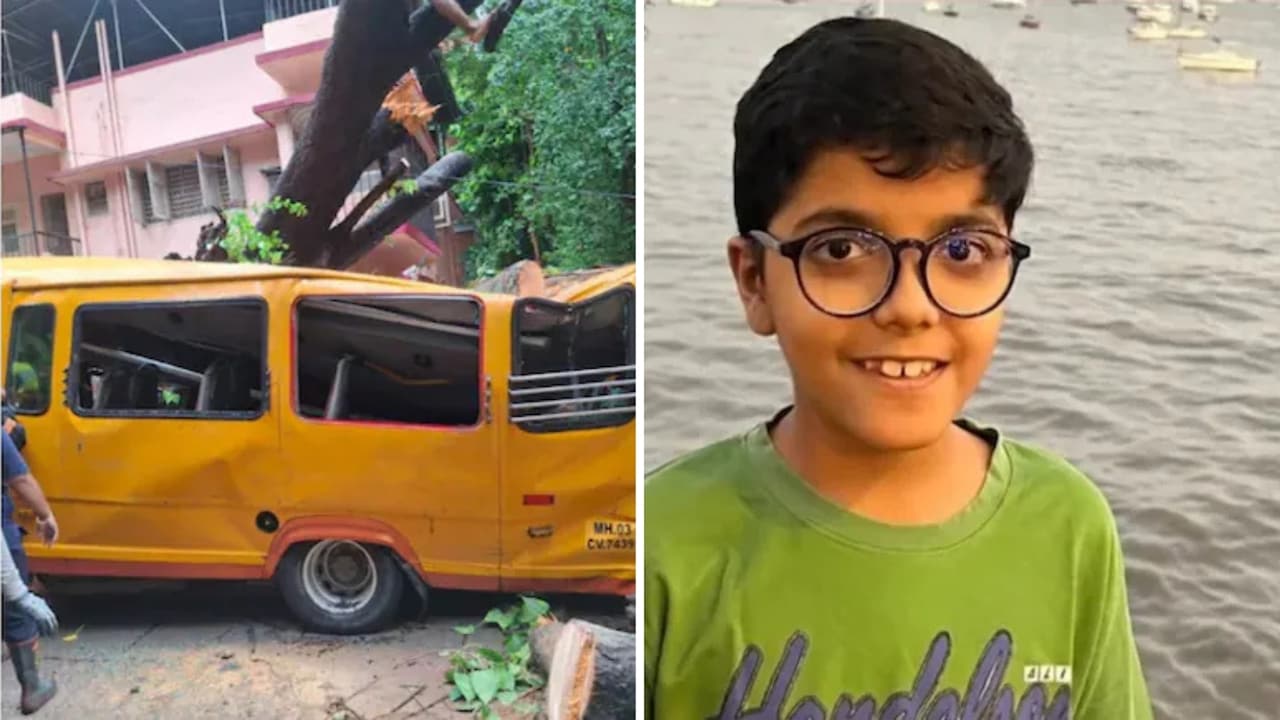
Mumbai Mayor Ritu Tawde has rejected an internal BMC report on the fatal Chembur tree collapse that killed 11-year-old Vihaan Shrivastav. Citing a lack of accountability and nominal penalties for contractors, she has ordered a fresh third-party inquiry.
Accountability Crisis: Mumbai Mayor Rejects BMC Probe into Fatal Tree Collapse
On June 30, a tragic incident occurred in Chembur, Mumbai, when a Peepal tree collapsed onto a school bus, resulting in the death of an 11-year-old student, Vihaan Shrivastav. This event has since evolved from a localized tragedy into a significant administrative conflict within the Brihanmumbai Municipal Corporation (BMC), highlighting deep-seated issues regarding urban safety and institutional accountability. The incident has sparked an intense debate over how the city manages its green cover and the adequacy of the safety protocols meant to protect citizens, particularly children.
The Failure of the Internal Inquiry
Following the accident, the BMC constituted a three-member committee to investigate the causes of the collapse. However, the resulting report was met with immediate condemnation. Mayor Ritu Tawde rejected the findings, primarily because the internal probe granted a "clean chit" to the Garden and Roads Departments. The report's failure to assign responsibility to high-ranking officials or the departments overseeing tree maintenance suggests a systemic attempt to shield the administration from liability. This rejection underscores a critical tension between the civic body's internal oversight mechanisms and the demand for transparent justice.
Discrepancies in Departmental Coordination
A key point of contention emerged during the BMC general body meeting, where Leader of the House and BJP corporator Ganesh Khankar highlighted a severe lack of coordination between departments. It was alleged that while the Garden Department had categorically raised objections regarding the tree or the site, the Roads Department failed to issue even a single formal letter to the contractor to rectify the issue. This administrative disconnect—where warnings are issued but not acted upon—points to a dangerous gap in the BMC's operational workflow, where bureaucratic inertia can lead to fatal consequences.
The Question of Nominal Penalties
Beyond the lack of departmental accountability, the financial penalties imposed on the contractors were deemed an insult to the gravity of the loss. The report suggested a penalty of approximately Rs 7 lakh, a figure that was slammed by corporators across party lines. The central argument posed by the leadership was whether a nominal fine could ever be an appropriate substitute for the life of a child. This focus on "meagre penalties" indicates a pattern where contractors may view fines as a cost of doing business rather than a deterrent against negligence, necessitating a more stringent legal and financial framework for civic contracts.
Demands for Transparency and Third-Party Oversight
Transparency issues further plagued the investigation, as Mayor Tawde revealed that the inquiry report had not been shared with her or the Garden Committee Chairperson, Hetal Gala. This lack of disclosure suggests an attempt to bypass political oversight. Furthermore, the victim's father has publicly questioned the transparency of the process, demanding a probe that is not biased toward the organization it is investigating. By ordering a fresh third-party inquiry, the Mayor is attempting to restore public trust and ensure that the investigation is conducted by an entity without vested interests in protecting BMC officials.
Conclusion and Future Implications
The Chembur tree-fall incident serves as a grim reminder of the vulnerabilities inherent in Mumbai's urban infrastructure. The transition from an internal probe to a third-party inquiry marks a pivotal shift toward seeking genuine accountability. Moving forward, this case is likely to set a precedent for how the BMC handles civic negligence, potentially leading to stricter audits of tree health and more rigorous enforcement of contractor responsibilities. Until systemic changes are implemented to bridge the gap between the Garden and Roads departments, the city remains at risk of similar preventable tragedies.
Verification Required?