‘No fixing this rot from within’: Srinagar MP Ruhullah to resign from Omar Abdullah’s National Conference
Source Entity
Naveed Iqbal
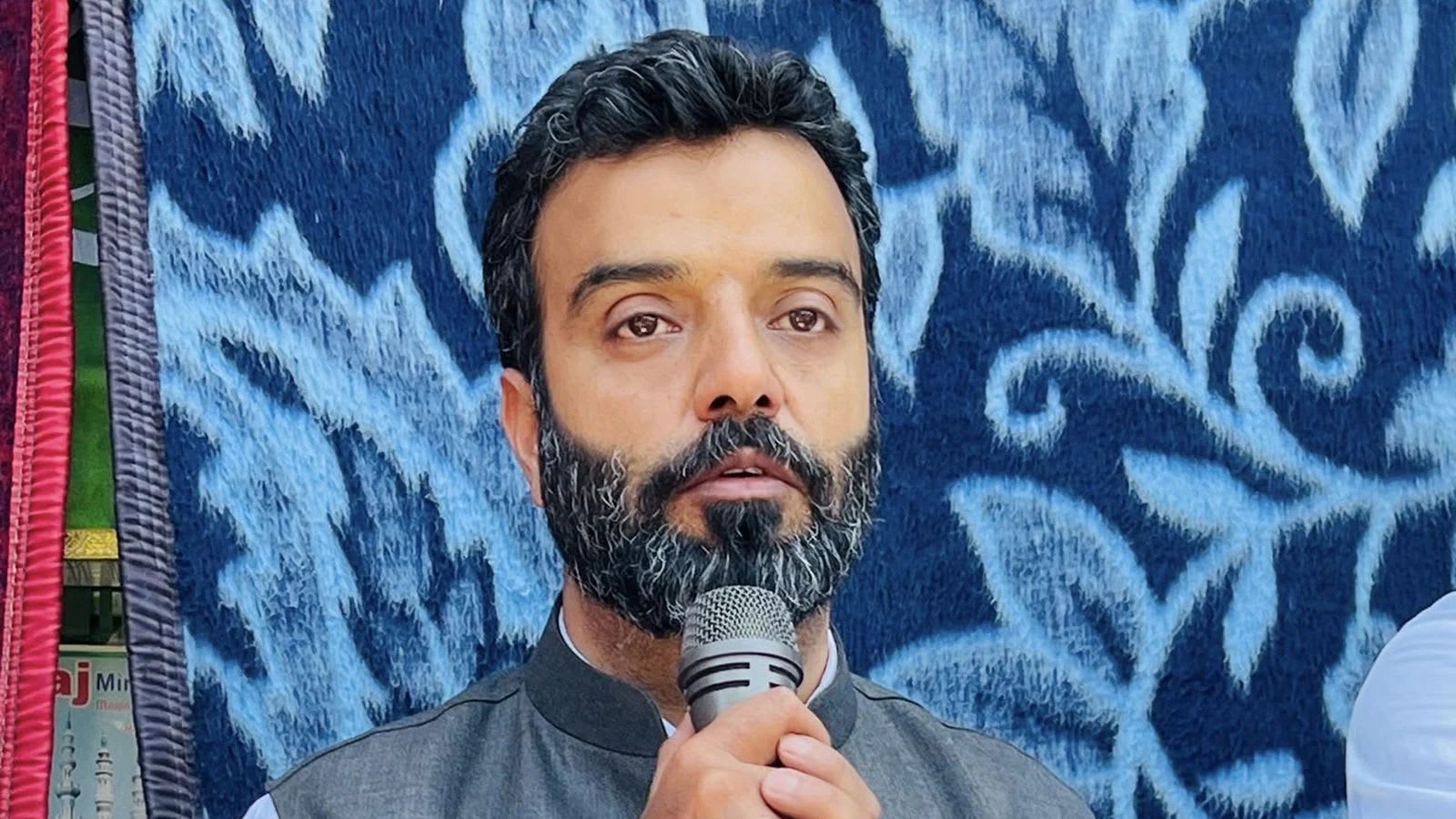
The National Conference is facing a major internal crisis following a 15-day ultimatum from 17 disgruntled MLAs and the resignation of Srinagar MP Aga Ruhullah Mehdi. The rebellion stems from grievances over cabinet appointments, unilateral decision-making, and the party's perceived failure to pursue the restoration of Article 370.
Internal Strife Grips Jammu and Kashmir's National Conference
The political landscape in Jammu and Kashmir is currently undergoing a period of significant volatility as the ruling National Conference (NC) faces a multi-pronged internal rebellion. On October 30, 2026, a group of 17 legislators convened at the Srinagar residence of Qaiser Jamsheed Lone to voice their deep-seated frustrations. This assembly, which included prominent senior figures such as Mubarak Gul, Nazir Gurezi, and Abdul Majeed Larmi, issued a 15-day ultimatum to party leadership, specifically targeting party president Farooq Abdullah and Chief Minister Omar Abdullah.
The Roots of Discontent: Cabinet Expansion and 'Coterie Culture'
The immediate trigger for this legislative revolt appears to be the recent expansion of the Jammu and Kashmir Cabinet by Chief Minister Omar Abdullah. The exclusion of several senior party members from the cabinet has exacerbated long-standing tensions regarding what the rebels describe as a 'coterie culture' and a pattern of 'unilateral decision-making.' By holding a four-hour meeting that even included an Independent legislator, the dissenting group is signaling that the current governance structure within the NC is failing to account for the aspirations of its elected representatives.
The Exit of Aga Ruhullah Mehdi
Compounding the crisis is the resignation of Srinagar MP Aga Ruhullah Mehdi. His departure is particularly symbolic and damaging, as he has openly criticized the party for failing to uphold its campaign promise to fight for the restoration of Article 370. Ruhullah’s decision to resign not only from the party but also from his Lok Sabha seat—scheduled for November 3, 2026—serves as a sharp indictment of the current leadership. His public remarks, which characterize the party as a family-run estate rather than a democratic institution, resonate with the broader grievances regarding the party's internal hierarchy.
Ideological Drift and Governance Challenges
Beyond the logistical issues of cabinet berths and power struggles, the rebellion highlights a profound ideological divide. The criticism regarding the 'rationalisation of reservation' in J&K and the perceived abandonment of the Article 370 agenda suggests that elements within the NC believe the party is drifting away from its core support base. This ideological friction, combined with the perception of a 'coterie' controlling the party’s direction, poses a severe threat to the stability of the current administration.
Future Implications for the National Conference
While a government minister has publicly dismissed the impact of MP Ruhullah's exit, the combination of a 17-member legislative ultimatum and the loss of a high-profile parliamentarian suggests that the NC is in a precarious position. If the leadership fails to address the concerns of the rebels within the 15-day window, the party could face a significant fracture that might threaten the stability of the government. The coming weeks will be critical in determining whether the Abdullah family can navigate these challenges or if the party will face a deeper, irreversible split that reshapes the political landscape of the region.
Multiple Citing Sources