How Sardar Vallabhbhai Patel helped build modern Ahmedabad
Source Entity
Ritu Sharma
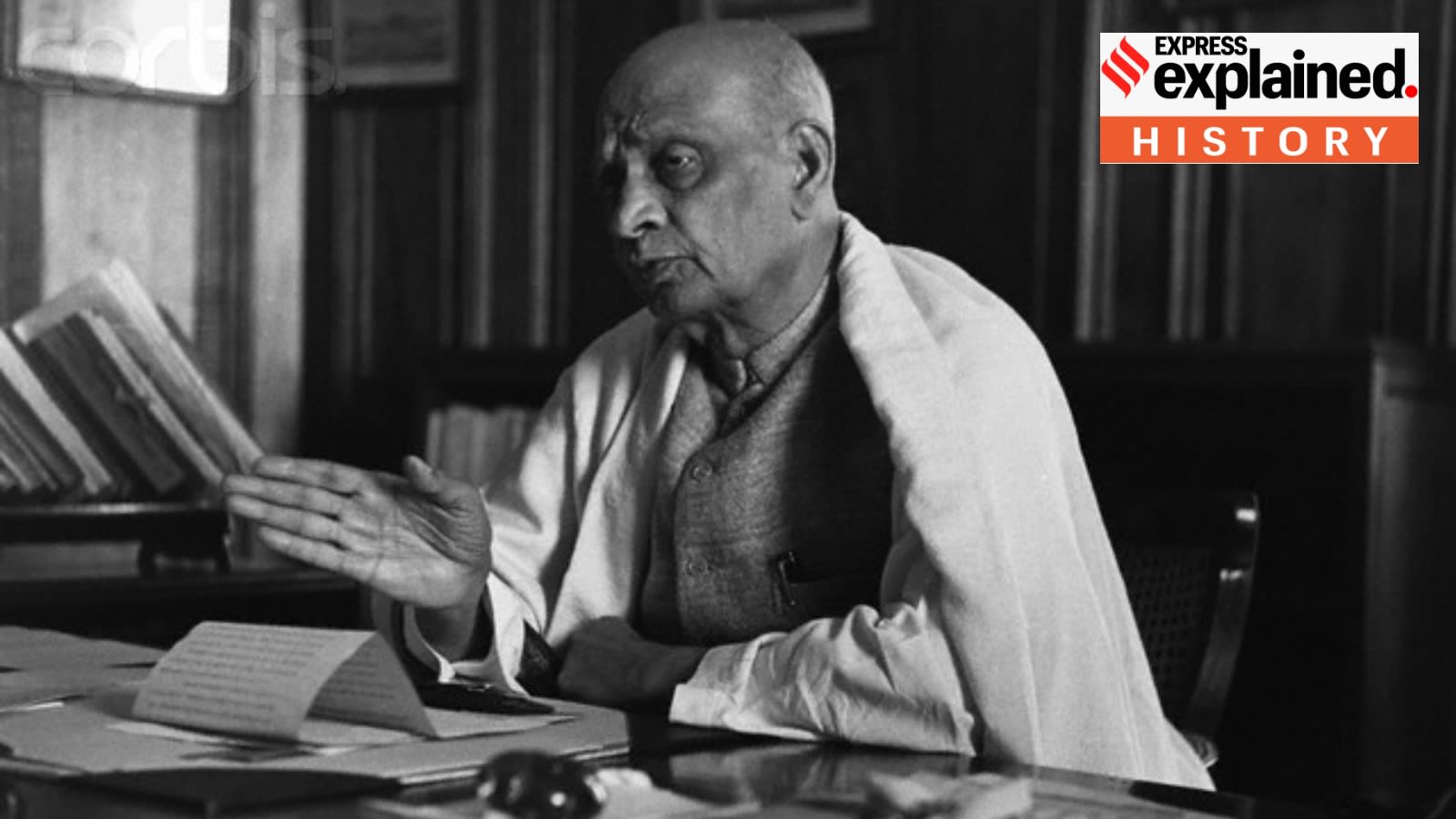
Sardar Vallabhbhai Patel’s enduring legacy as the architect of modern India is marked by his contributions to Ahmedabad's infrastructure and the unification of the nation. Recent tributes by national leaders underscore his historical significance and the ongoing reverence for his role in building 'Akhand Bharat'.
The Iron Man’s Enduring Legacy in Ahmedabad and Beyond
Sardar Vallabhbhai Patel, often revered as the 'Iron Man of India,' remains a foundational figure in the nation's political consciousness. The historical accounts of his 76th birthday on October 31, 1950, at Lal Darwaja in Ahmedabad, serve as a poignant reminder of his deep connection to the city. Having previously served as the president of the Ahmedabad municipality, Patel’s leadership was pivotal in transforming local governance into a structured municipal corporation, setting the stage for the urban development that followed.
A Legacy of Selflessness and Public Service
The gathering of over two lakh citizens to hear his final speech in Ahmedabad illustrates the immense public trust he commanded. His decision to donate the Rs 15 lakh collected by the public directly to the Gujarat Provincial Congress Committee for public works encapsulates his philosophy of service over self. This act of altruism not only cemented his reputation as a leader of the people but also reinforced the necessity of civic engagement, a principle that continues to influence modern Indian administrative policies.
Commemorating the Architect of Akhand Bharat
The term 'Architect of Akhand Bharat' is frequently attributed to Patel due to his monumental role in integrating the princely states into a unified India. By consolidating the fragmented territories post-independence, he prevented the balkanization of the nascent nation. Current tributes by Prime Minister Narendra Modi and Home Minister Amit Shah serve to institutionalize this memory, framing Patel as the essential architect of contemporary Indian sovereignty.
Symbolic Landmarks and Historical Continuity
The evolution of the Lal Darwaja ground, from a site of a historic speech to a municipal garden featuring a statue unveiled by President Rajendra Prasad in 1959, highlights the importance of spatial memory in Indian politics. These physical markers serve as tangible links to the past, reminding citizens of the transition from colonial municipal administration to the robust democratic frameworks that govern modern Ahmedabad.
National Significance and Future Implications
The recent tributes at the Statue of Unity on his 151st birth anniversary demonstrate how Patel’s image is utilized to foster national identity and unity. By aligning current political discourse with the vision of 'Akhand Bharat,' the state continues to promote Patel’s legacy as a cornerstone of Indian nationalism. As the nation progresses, the focus remains on honoring his contributions while reflecting on the administrative standards he established during his tenure in Ahmedabad, ensuring that his vision of a unified and efficient India persists for future generations.
Multiple Citing Sources