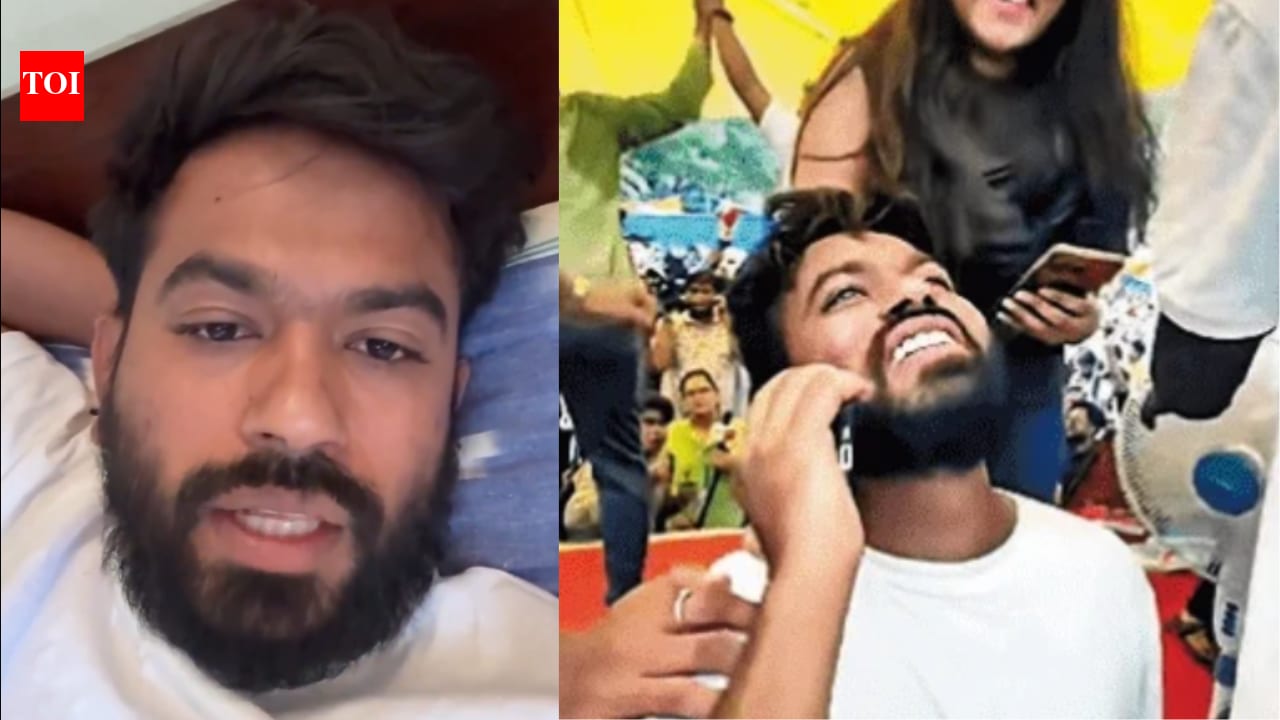
'Just the beginning, long way to go': Abhijeet Dipke releases video after protest ends
Source Entity
TOI CITY DESK
Dharmendra Pradhan received a warm welcome from NDA colleagues despite his resignation amid the NEET controversy. Meanwhile, social activist Sonam Wangchuk plans his next move after a month-long hunger strike, while the tragic suicide of a NEET aspirant highlights the human cost of the ongoing examination crisis.
Political Solidarity Amidst Crisis
The recent events in New Delhi highlight a stark contrast between political optics and the grim reality of the national examination crisis. Following his resignation as Union Education Minister in the wake of the NEET paper leak controversy, Dharmendra Pradhan returned to Parliament to a hero's welcome. BJP and NDA colleagues gathered at the Makar Dwar entrance to greet him with chants of "Dharmendra Pradhan zindabad," signaling that his political standing within the ruling alliance remains intact despite the administrative failure that marred his tenure.
The Opposition's Critique
This display of solidarity has drawn sharp condemnation from the opposition, particularly the Congress party. Critics argue that the celebratory reception of a minister who stepped down amid a national scandal reflects a disconnect between the political establishment and the millions of students affected by the NEET irregularities. By centering the narrative on party unity, the ruling alliance faces accusations of shielding leadership rather than addressing the systemic flaws that led to the examination crisis.
The Human Cost of the NEET Crisis
The broader implications of the NEET controversy are best understood through the tragic case of a 19-year-old aspirant, identified as Ankita, who died by suicide. Found hanging in her room on a Saturday, her death serves as a harrowing reminder of the intense psychological pressure placed on students within India's high-stakes competitive examination system. Her cousin's statement that she was suffering from depression underscores the devastating personal toll of a system perceived to be compromised by leaks and mismanagement.
Activism and Accountability
Parallel to the political maneuvering in the capital, social activist Sonam Wangchuk has concluded a significant period of protest. Having engaged in a hunger strike from June 28 to July 23, Wangchuk is now pivoting his focus from the protest site at Rajghat to the mountains. His sustained agitation highlights the growing trend of grassroots activism challenging governmental policies, suggesting that the public appetite for accountability is extending beyond traditional electoral politics.
Future Trends and Systemic Reform
The intersection of these events—the political rehabilitation of a former minister, the tragic loss of a student, and the persistence of public activists—points toward a turbulent period for India's education sector. Moving forward, the government will likely face increased pressure to overhaul the examination infrastructure to prevent further leaks. Whether the political establishment can bridge the gap between internal party loyalty and the urgent demand for institutional reform will be the defining challenge of the current legislative session. The focus must now shift from political optics to the restoration of meritocracy and the mental well-being of the youth.
Multiple Citing Sources