Not Philadelphia, this lost colony may be birthplace of American ideology
Source Entity
TOI WORLD DESK
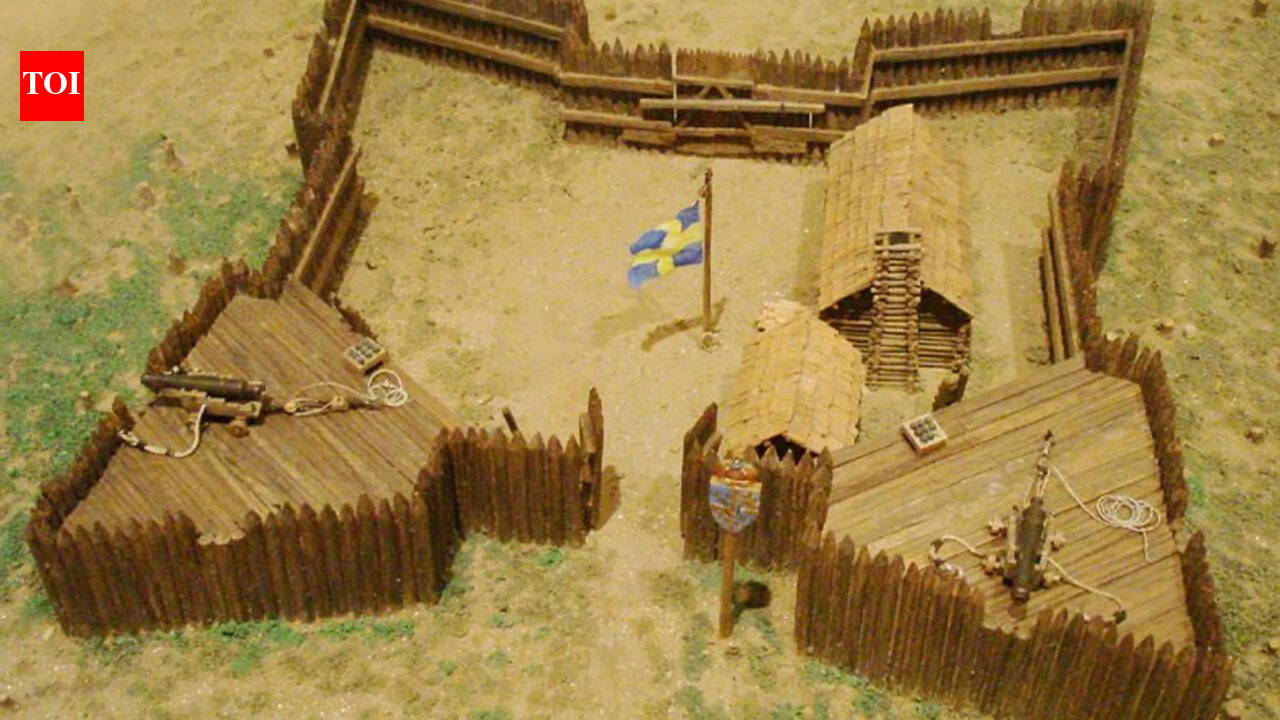
The New Sweden colony, established in 1638 in the Delaware Valley, serves as a forgotten precursor to American ideology. Despite being the smallest and shortest-lived European colony in the region, its cultural legacy persists through the Old Swedes' Church and traditional Swedish celebrations.
The Forgotten Legacy of New Sweden: A Prelude to American Ideology
While the historical narrative of the United States is predominantly centered on Philadelphia—the site of the Declaration of Independence and the signing of the Constitution—there exists a far more obscure yet significant chapter in the Delaware Valley. Between 1638 and 1655, the colony of New Sweden established a presence across what is now New Jersey, Pennsylvania, Delaware, and Maryland. Though it was the smallest, least-populated, and shortest-lived European colony in the region, its existence suggests a different, more discreet approach to early colonization that predates the high-profile political revolutions of the 18th century.
Strategic Origins and the Quest for Secrecy
The genesis of New Sweden began in December 1637, when Peter Minuit led two ships from Gothenburg with 25 aspiring settlers. The primary objective of this expedition was not immediate dominance, but strategic invisibility. According to Deborah-Jean Hoffman of the New Sweden Centre, the intent was to establish an "under-the-radar" colony to avoid detection by the Dutch, who were already active in the region. This cautious approach to settlement highlights the volatile geopolitical landscape of the 17th century, where European powers competed for North American footholds through stealth and tactical positioning rather than overt conquest.
Geographic Reach and Colonial Limitations
Despite its brief lifespan, New Sweden's influence stretched across a significant portion of the Mid-Atlantic. The colony encompassed the Delaware Valley, bridging the modern borders of four different states. However, its lack of population and resources made it vulnerable, ultimately contributing to its status as the shortest-lived European colony in the area. This fragility stands in stark contrast to the later stability of the British colonies, yet the geographic footprint of New Sweden laid a foundational layer of European presence in the Delaware Valley long before the arrival of William Penn.
Spiritual and Architectural Landmarks
A tangible remnant of this era is the Old Swedes' Church, constructed in 1698. As the first Lutheran church in the New World, it serves as a critical architectural and spiritual anchor for the community. The church represents more than just a place of worship; it is a monument to the endurance of Swedish identity in a landscape that was eventually absorbed by larger colonial powers. The survival of this structure allows modern historians and descendants to trace the religious lineage of the region back to its earliest Scandinavian roots.
The Persistence of Cultural Traditions
The legacy of New Sweden is not merely found in stone and mortar, but in the living traditions of its descendants. Each December, the community gathers for the candlelit Sankta Lucia celebration, maintaining a spiritual connection to their ancestors. Similarly, the Midsommarfest remains a vibrant display of heritage, featuring traditional folkdrakter costumes and authentic culinary staples such as smörgåstårta (sandwich cakes) and lingonberry sherbet. These rituals demonstrate how a "lost colony" can maintain a distinct cultural identity across centuries, resisting total assimilation into the broader American melting pot.
Conclusion: Redefining the American Origin Story
Comparing New Sweden to the storied history of Philadelphia reveals a fascinating dichotomy in American origins. While Philadelphia represents the public, triumphant birth of a nation through the Founding Fathers and the City Tavern, New Sweden represents a quiet, experimental beginning. By acknowledging this forgotten settlement, we gain a more comprehensive understanding of the diverse European influences that shaped the American ideology. The transition from a secretive Swedish outpost to the epicenter of global democracy in Philadelphia marks the evolution of the American spirit from one of survival and stealth to one of leadership and independence.