Nitin Nabin Slams Rahul Gandhi Over Delhi Protests, Accuses Opposition Of Creating Disorder
Source Entity
Latest News: Todays Latest News Headlines from India & World | Hindustan Times | Hindustan Times
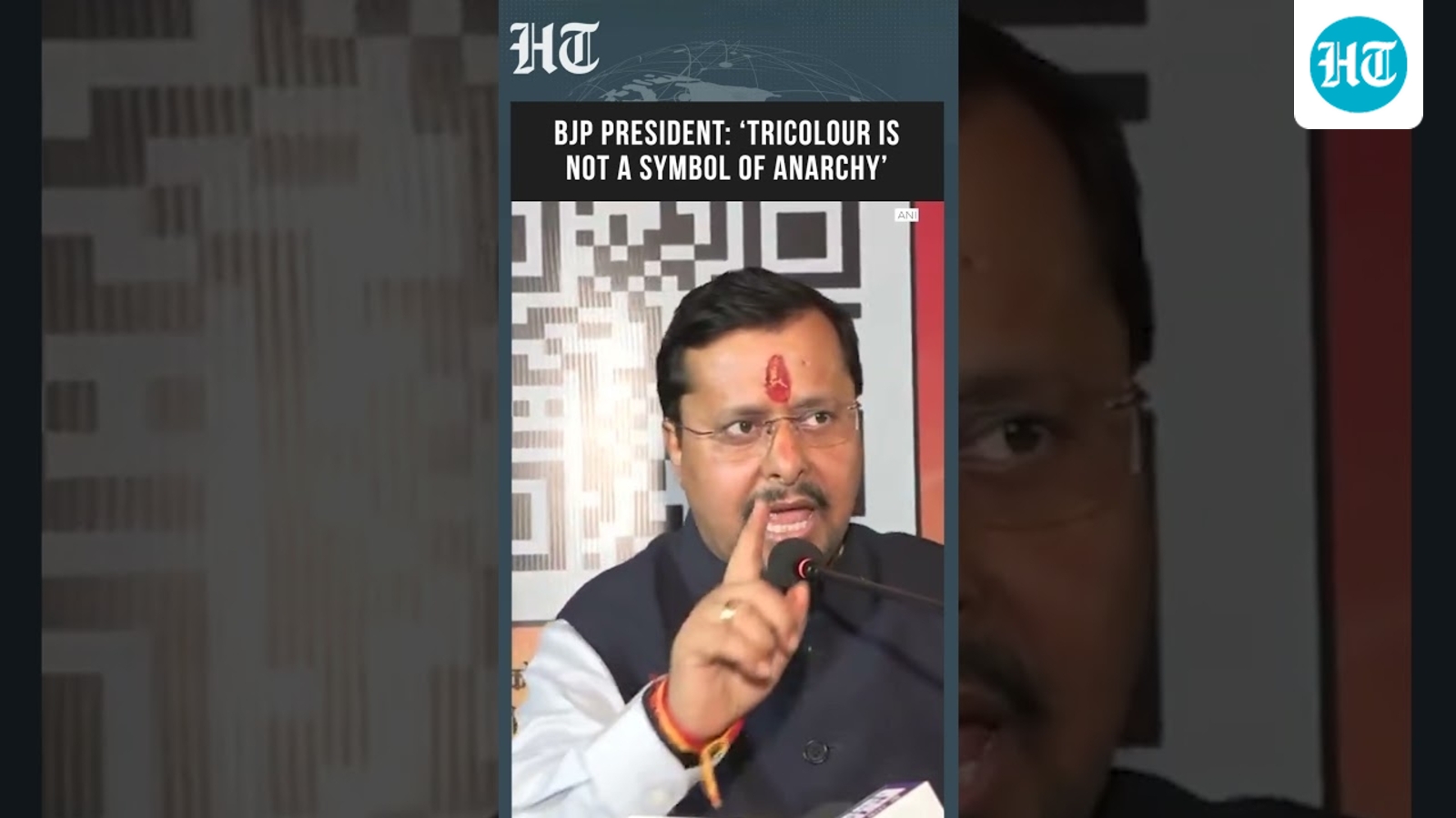
BJP leader Nitin Nabin has launched a sharp political attack against Rahul Gandhi and the opposition, accusing them of fueling anarchy and undermining national institutions. Nabin’s remarks targeted both the recent Delhi protests and the opposition's ongoing criticism of the Election Commission of India.
The Intensifying Political Confrontation in India
Recent statements by BJP national president Nitin Nabin have marked a significant escalation in the ongoing rhetorical battle between the ruling party and the opposition. By labeling Leader of the Opposition Rahul Gandhi a "pawn of the foreign toolkit gang," Nabin has framed the current political discourse around the binary of national development versus deliberate instability. This rhetoric serves to consolidate the BJP’s narrative that the opposition’s primary objective is to obstruct India's path toward becoming a 'Viksit Bharat' (Developed India).
Accusations of Anarchy and Anti-Nationalism
Nabin’s critique extends beyond policy disagreements, delving into the symbolic use of national identity. By asserting that the Tricolour cannot be a symbol of anarchy, he is directly attacking the optics of recent protests in Delhi. This framing suggests that the opposition’s methods of dissent are not merely political maneuvers but are fundamentally at odds with the national interest. Such language is designed to delegitimize street-level protests by characterizing them as tools of external or "anti-national" forces rather than legitimate expressions of democratic grievance.
The Institutional Battle: Election Commission Scrutiny
Beyond ideological clashes, a core component of this confrontation involves the Election Commission of India (ECI). Nabin’s challenge regarding the Special Intensive Revision (SIR) of electoral rolls in Bihar highlights a recurring pattern in Indian politics: the questioning of institutional integrity following electoral losses. By demanding evidence for complaints that he claims were never filed through official channels, Nabin is pushing back against the opposition's narrative that the ECI is biased or compromised. This debate underscores the tension between the opposition's role as a watchdog and the ruling party’s defense of constitutional bodies.
Development vs. Disorder
Central to Nabin’s argument is the juxtaposition of Prime Minister Narendra Modi’s "spirit of service" against what he describes as the opposition’s inability to accept India’s economic and global rise. This narrative is a strategic cornerstone for the BJP, aiming to shift the focus from specific policy critiques to a broader meta-narrative about national progress. By framing the opposition as "troubled by the country’s progress," Nabin aims to paint any form of dissent as a reactionary effort to stall national momentum.
Contextualizing the 'Kumhrar Seva Sahayata Portal'
The venue for these remarks—the launch of the ‘Kumhrar Seva Sahayata Portal’ in Patna—is significant. By tethering his national-level attacks to a local grievance redressal initiative, Nabin is signaling a "bottom-up" approach to political engagement. This suggests that the BJP is attempting to contrast its focus on digital governance and local service delivery with what it characterizes as the opposition’s preoccupation with abstract, disruptive political protests.
Future Implications for Indian Democracy
As these narratives solidify, the space for consensus-based politics appears to be shrinking. The focus on "foreign toolkit gangs" and the questioning of electoral legitimacy suggest that the upcoming political cycles will be defined by deep-seated distrust. If the opposition continues to target the ECI, and if the BJP continues to frame this as an attack on the nation itself, the polarization of the electorate is likely to intensify, potentially leading to further gridlock in legislative and democratic processes.
Verification Required?