PCI shocked at inclusion of senior journalist in search warrant requests
Source Entity
India Latest News: Top National Headlines Today & Breaking News | The Hindu
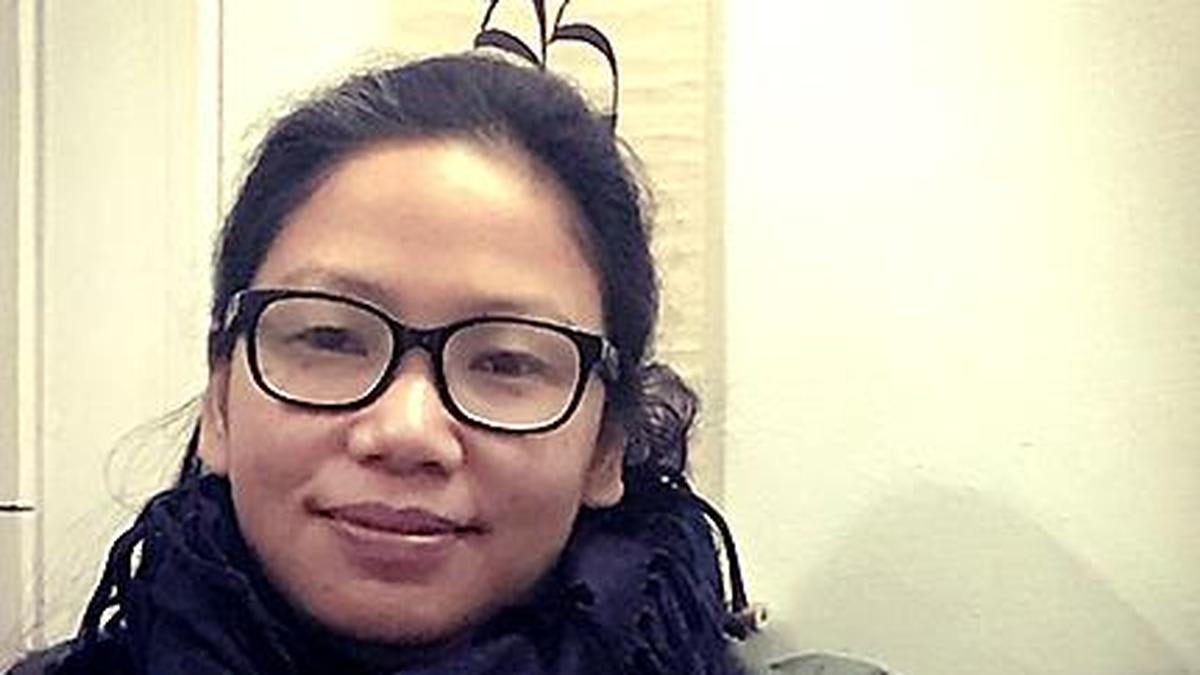
The Press Club of India has condemned the Arunachal Pradesh Police for including senior journalist Tongam Rina in search warrant requests related to protests against the Siang dam. The organization views this as an attempt to intimidate journalists covering the ongoing civil movement.
Press Freedom Under Scrutiny in Arunachal Pradesh
The Press Club of India (PCI) has issued a formal statement expressing profound shock regarding the actions of the Arunachal Pradesh Police. On October 30, 2026, it was revealed that the authorities included the name of veteran journalist Tongam Rina in search warrant requests linked to the October 23 violence in Pasighat. This development marks a significant escalation in the tension between state machinery and the media in the region.
The Siang Dam Conflict
At the heart of this controversy lies the ongoing opposition to the Siang dam project. Local communities and activists have been engaged in protests, citing concerns over environmental impact and displacement. Journalists like Rina, who are tasked with covering these movements, have found themselves caught in the crossfire as the state attempts to maintain order following incidents of property destruction and civil unrest.
Patterns of Intimidation
This is not the first time Tongam Rina has faced adversity while performing her professional duties. The context of this incident is heavily influenced by her history; notably, Rina has previously survived a targeted murder attempt, a case for which she has been awaiting justice for nine years. The inclusion of her name in recent police warrants raises serious questions about whether these legal maneuvers are legitimate investigative steps or a continuation of past intimidation tactics.
The Role of Investigative Probes
The PCI has been explicit in its stance: while the state has a responsibility to investigate the violence and property destruction that occurred in Pasighat, such investigations must not serve as a pretext for harassment. By targeting journalists, the police risk delegitimizing the democratic process of reporting. The press serves as a vital bridge between the public and the authorities during civil movements, and its protection is essential for transparency.
Broader Implications for Journalism
The repercussions of this event extend far beyond the borders of Arunachal Pradesh. When state authorities use search warrants to pressure journalists, it creates a 'chilling effect' on the freedom of the press. If reporters fear that documenting protests will lead to legal harassment, the public is deprived of independent information regarding infrastructure projects that significantly impact their lives and livelihoods.
Conclusion and Future Outlook
As the situation develops, the demand from the PCI for the Arunachal Pradesh Police to cease the harassment of journalists remains the central focus. Moving forward, the protection of media professionals must be prioritized to ensure that civil society can continue to voice dissent without fear of retribution. The international and national press corps will likely continue to monitor this case closely, as it sets a critical precedent for how the state interacts with the Fourth Estate during times of social upheaval.
Verification Required?