"I'm A Street Fighter": Dharmendra Pradhan To Congress MP's "It Happens" Remark
Source Entity
NDTV News Search Records Found 1000
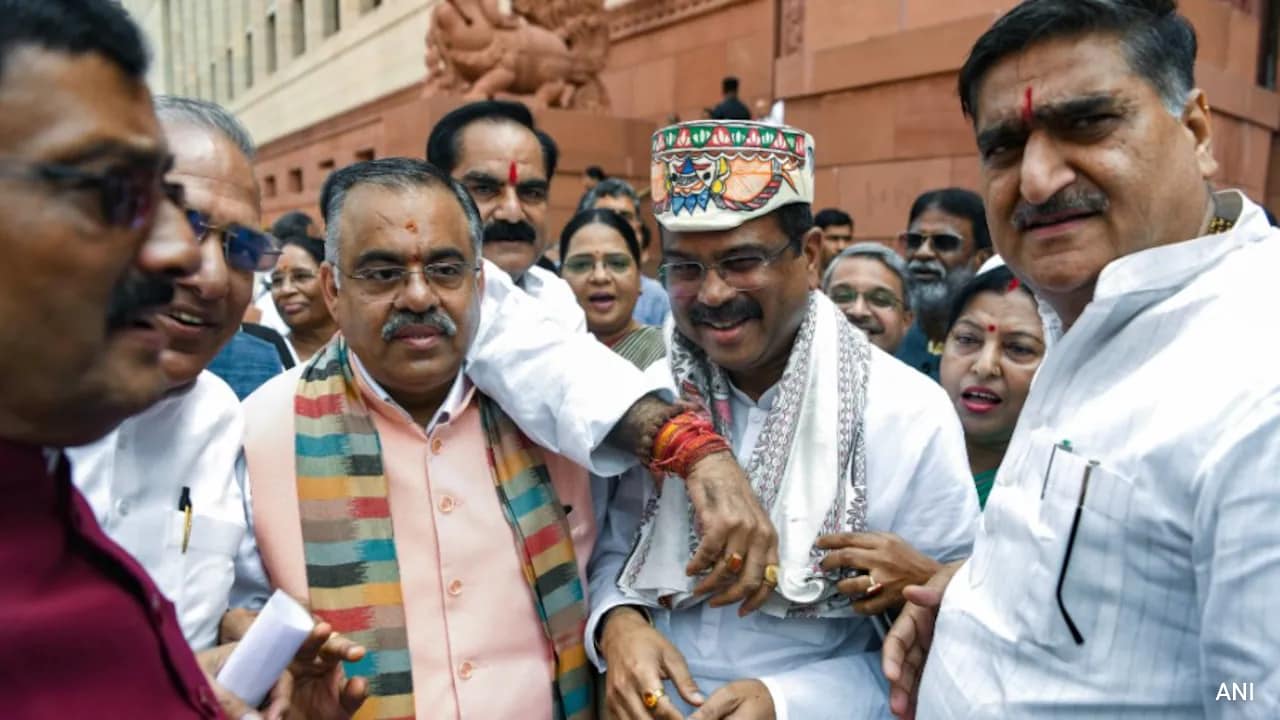
The Cockroach Janta Party has ended its protest at Jantar Mantar following a successful negotiation with the Union government. Meanwhile, the political atmosphere remains tense as Union Minister Dharmendra Pradhan faces opposition scrutiny over ongoing controversies.
Political Developments and Civil Unrest: A Complex Week in Indian Governance
The Resolution of the Jantar Mantar Protest
The recent conclusion of the protest led by the Cockroach Janta Party (CJP) at Jantar Mantar represents a significant moment in the current political climate. After multiple rounds of negotiations with the central government, represented by Union Ministers Jitendra Singh and J.P. Nadda, the CJP officially withdrew its demonstration on July 25, 2026. National spokesperson Ashutosh Ranka confirmed that the government had acceded to their primary demands, which included the withdrawal of legal FIRs against organizers and protesters, a guarantee against future litigation, and a financial compensation package of ₹1 crore for the families affected by the movement.
Parliamentary Tensions and Ministerial Defiance
Simultaneously, the parliamentary floor has become a theater of intense ideological conflict. Union Minister Dharmendra Pradhan, who was formally welcomed by ruling MPs on Monday, found himself at the center of a heated exchange with Congress members. When confronted with dismissive remarks regarding the ongoing political climate, Pradhan characterized himself as a "street fighter," signaling a combative stance against opposition narratives. This interaction underscores the increasing polarization within the legislature as the government navigates various administrative and social challenges.
The Tragic Backdrop of Academic Pressure
Amidst these high-level political maneuvers, a somber event has cast a shadow over public discourse. The suicide of a 19-year-old NEET aspirant, identified as Ankita, who was found deceased in her room on Saturday, serves as a grim reminder of the immense pressures faced by students in India. While this tragedy is distinct from the political protests, it highlights the systemic strain within the country’s competitive examination framework. The juxtaposition of student mental health crises with aggressive political posturing reflects the multifaceted challenges currently facing the Indian administration.
Implications for Future Governance
The successful negotiation between the CJP and the Modi-led government suggests a strategic shift in how the current administration intends to handle civil dissent. By opting for dialogue and compensation over prolonged confrontation, the government appears to be attempting to mitigate further unrest. However, the political cost remains high, as the opposition continues to leverage individual and group grievances to challenge the executive branch's authority.
Concluding Summary
As the nation moves forward, the intersection of student welfare issues and political volatility will likely remain a dominant theme. The government's ability to maintain order while addressing the underlying causes of such protests—and the tragic pressures placed on the youth—will determine the stability of the coming months. The resolution at Jantar Mantar may offer a temporary reprieve, but the underlying tensions in both the classroom and the Parliament remain palpable.
Multiple Citing Sources
Verification Required?