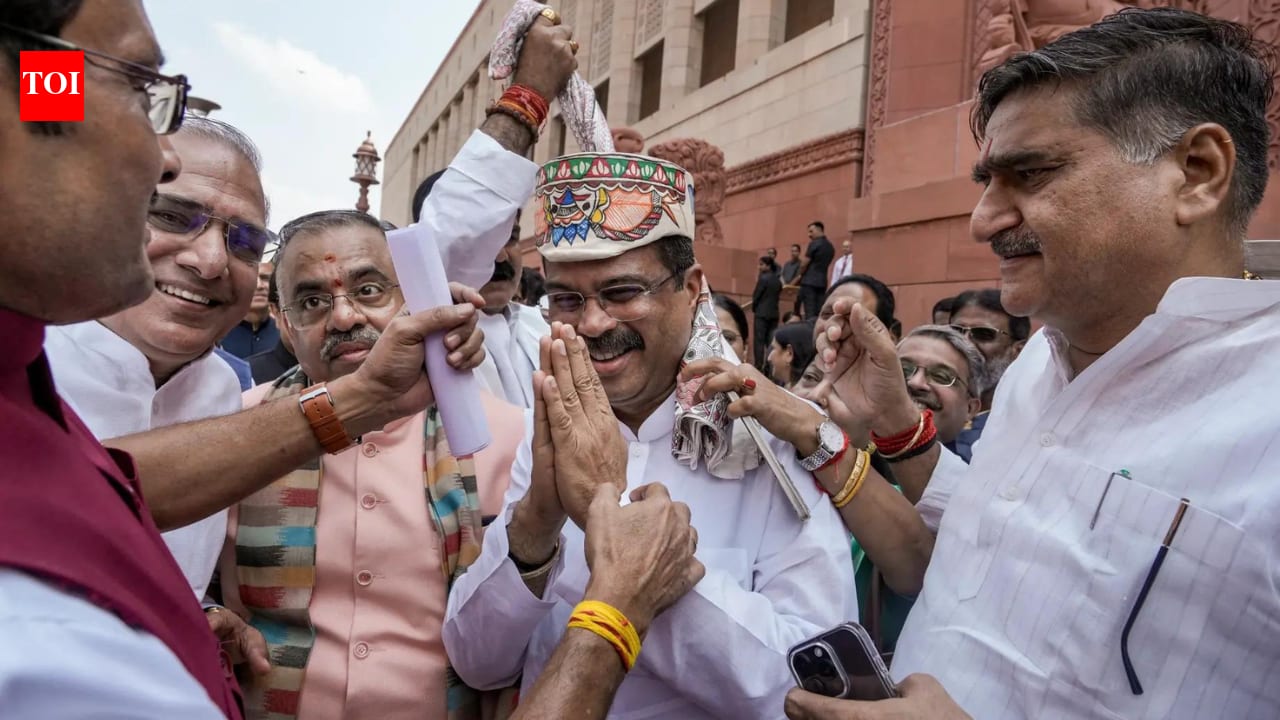
'Garlanded as if he won a war': Oppn attacks BJP over Pradhan's felicitation
Source Entity
AASTHA JHA
The Cockroach Janta Party has ended its Jantar Mantar protest following government concessions, while student organizations continue to mobilize against examination irregularities. Meanwhile, the tragic death of a NEET aspirant highlights the ongoing mental health crisis among students facing academic pressure.
The Convergence of Student Unrest and Political Accountability
Recent developments in the national capital have brought the issue of examination integrity and student welfare to the forefront of Indian political discourse. The decision by the Cockroach Janta Party (CJP) to withdraw its long-standing protest at Jantar Mantar marks a significant pivot in the ongoing agitation concerning the National Testing Agency (NTA). Following three rounds of negotiations with Union Ministers Jitendra Singh and J.P. Nadda, the government agreed to key demands, including the withdrawal of legal cases against organizers and the provision of compensation to affected families.
The Demand for Institutional Reform
Beyond the CJP’s specific demands, a broader student movement led by organizations such as the Naujawan Bharat Sabha and the Disha Students’ Organisation continues to gain momentum. These groups are demanding the resignation of Union Education Minister Dharmendra Pradhan and calling for the total abolition of the NTA. Their protests, which have spread to locations like the Gandhi statue near the GVMC office, reflect deep-seated concerns regarding alleged paper leaks and systemic examination scams that many students believe have compromised their professional futures.
The Human Cost of Academic Pressure
Amidst the political maneuvering and institutional debates, the human toll of the current academic climate remains stark. The tragic death of a 19-year-old NEET aspirant, who was found hanging in her room on Saturday, serves as a poignant reminder of the intense psychological pressure placed upon students. This incident underscores the urgent need for a more supportive academic environment, as the intersection of high-stakes testing and systemic uncertainty continues to take a devastating toll on the mental health of youth.
Analyzing the Path Forward
While the CJP has opted for a diplomatic resolution, the persistence of student-led groups suggests that the underlying issues regarding examination transparency and ministerial accountability remain unresolved. The government’s willingness to engage in dialogue is a positive step toward stabilization, yet the demand for structural reform within the NTA remains a critical point of contention that will likely shape the educational policy narrative for the foreseeable future.
Conclusion
The dual reality of political negotiation and grassroots student protest defines the current landscape. As the government attempts to address grievances through administrative concessions, the focus must inevitably shift toward ensuring the integrity of competitive examinations. Ultimately, the stability of the education sector depends on the government’s ability to restore public trust and provide a safe, fair environment for students, who currently bear the heaviest burden of these systemic failures.
Multiple Citing Sources