14 killed as police opens fire on Rawalakot protesters amid PoJK march, eyewitnesses claim
Source Entity
Latest News: Todays Latest News Headlines from India & World | Hindustan Times | Hindustan Times
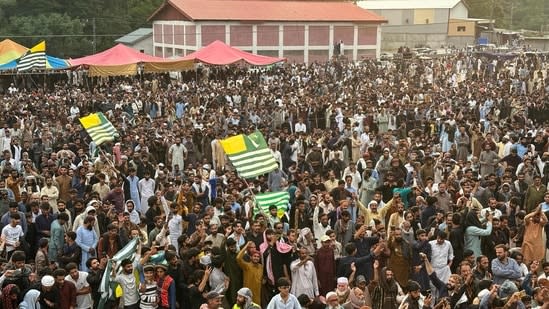
At least 14 people were killed in Rawalakot during the Awami Huqooq Long March following alleged police firing. The incident has led to reports of a communications blackout and ongoing protests by the Joint Awami Action Committee.
Violent Clashes Erupt During Awami Huqooq Long March
The recent events in Rawalakot, where at least 14 people were reported killed, mark a significant escalation in the ongoing civil unrest associated with the Awami Huqooq Long March. According to eyewitness accounts and statements from the Joint Awami Action Committee (JAAC), the casualties occurred after security forces allegedly opened fire on demonstrators. This development underscores the volatile nature of the current protests and the deep-seated grievances fueling the movement.
The Role of the Joint Awami Action Committee
Imtiaz Aslam, a core member of the JAAC, has explicitly blamed state forces for the deaths of the protestors, whom he described as innocent youths. The JAAC has been a pivotal force in mobilizing this march, aiming to bring their demands to the regional capital. The refusal of the group to halt their momentum, despite the heavy loss of life, suggests a hardening of resolve among the protesters and a potential for further confrontation as they advance toward D-Chowk.
Implications of the Communications Blackout
Reports of a communications blackout in the region following the violence add a layer of complexity to the situation. Such measures are often employed to curb the spread of information and prevent the further organization of protests; however, they also exacerbate tensions and fuel speculation. The lack of verified, transparent information from official channels makes it increasingly difficult to de-escalate the situation and leaves a vacuum often filled by rumors and deepening distrust between the public and security apparatus.
Historical Context of Regional Unrest
This incident is not an isolated event but rather part of a broader trajectory of civil agitation in the region. The Awami Huqooq Long March represents a culmination of systemic frustrations that have been building over time. The transition from peaceful assembly to violent confrontation highlights the fragility of the current socio-political environment. The use of lethal force by security personnel against protesters historically serves as a catalyst for wider, more intense demonstrations, potentially drawing in more participants and broadening the scope of the movement's demands.
Future Trends and Potential Outcomes
As the JAAC continues its march toward D-Chowk, the potential for further casualties and civil instability remains high. If the authorities maintain a hardline approach, the likelihood of sustained protests and international scrutiny increases. Conversely, a failure to engage in dialogue may lead to further fragmentation of the regional administration's legitimacy. Moving forward, the international community will likely watch closely to see if the authorities pivot toward negotiation or if the cycle of state-sanctioned violence continues, which could have long-term implications for the region’s stability and governance.
Conclusion
The tragedy in Rawalakot serves as a stark reminder of the risks associated with large-scale civil movements in regions characterized by high political tension. With 14 lives lost and the march showing no signs of dissipating, the situation remains fluid. The immediate future hinges on whether the JAAC and state authorities can find a path toward de-escalation, or if the current momentum will lead to further instability.
Verification Required?