Savarkar defamation case: Kin tells Pune court Nehru executed pro-British policies
Source Entity
Chandan Haygunde
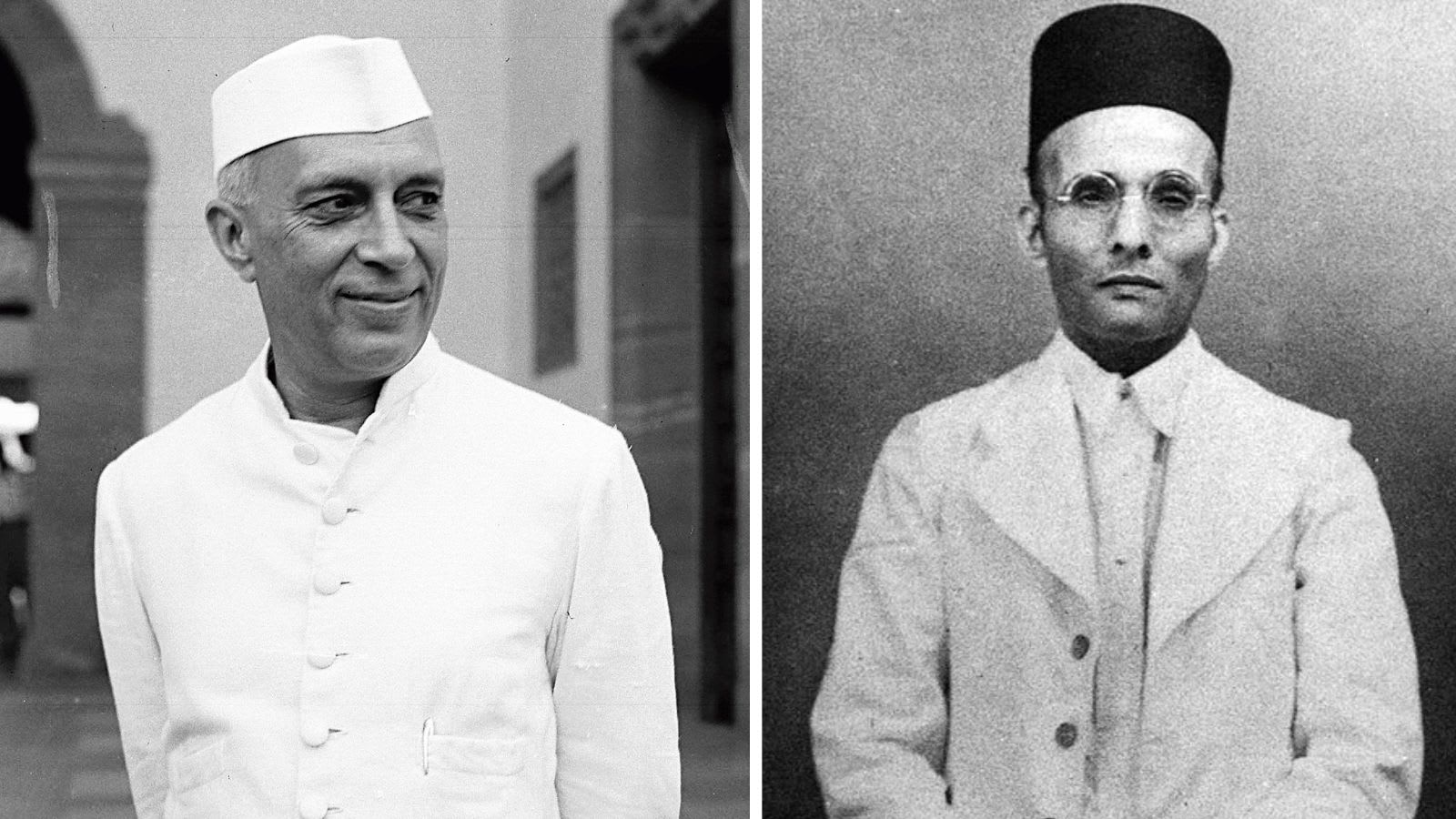
Satyaki Savarkar testified in a Pune court during a defamation case against Rahul Gandhi, alleging that Jawaharlal Nehru implemented pro-British policies. The case arises from objectionable remarks made by Gandhi during a speech in London in March 2023.
Legal Battle Over Legacy: The Savarkar Defamation Case
The legal proceedings in a Pune special court regarding a defamation case filed by Satyaki Savarkar against Congress leader Rahul Gandhi have evolved into a broader debate over India's independence struggle and the legacies of its most prominent figures. The case originated from a speech delivered by Rahul Gandhi in London on March 5, 2023, where he allegedly made objectionable remarks concerning V D Savarkar, a freedom fighter and right-wing ideologue. This litigation is not merely a legal dispute over words spoken abroad but a reflection of the deep-seated ideological divisions within contemporary Indian politics regarding the role of different leaders in the movement for sovereignty.
Allegations Against Nehru's Governance
During the recent court proceedings, Satyaki Savarkar provided testimony that sought to contrast the legacies of V D Savarkar and India's first Prime Minister, Jawaharlal Nehru. Satyaki explicitly told the court that Nehru was opposed to Netaji Subhash Chandra Bose and pursued policies that were favorable to the British government. By framing Nehru's administration as one that implemented pro-British policies, the testimony attempts to shift the narrative of the independence era, suggesting a conflict of interest in the early leadership of the Indian state and questioning the purity of the transition from colonial rule to independence.
Building a Consensus of Legitimacy
To bolster the standing of V D Savarkar, Satyaki cited a diverse array of historical and political figures who allegedly made laudatory remarks about him. The list included figures from various ideological spectrums, such as Madam Cama, Bhagat Singh, and Netaji Subhash Chandra Bose, as well as political leaders like Indira Gandhi, Yashwantrao Chavan, and Sharad Pawar. By linking Savarkar to these respected names, the prosecution aims to establish that Savarkar's contributions were recognized across the political divide, thereby arguing that Rahul Gandhi's remarks were not just an opinion but a defamation of a widely respected historical figure.
The "What-If" of 1946 and Political Compromise
One of the most analytical points raised during the cross-examination by lawyer Milind Pawar was Satyaki Savarkar's personal opinion regarding the political trajectory of 1946. He suggested that his granduncle, V D Savarkar, could have potentially been appointed as the Prime Minister of India had he chosen to compromise with the British authorities during that pivotal year. This statement introduces a complex layer to the narrative, suggesting that Savarkar's lack of formal power in the post-independence government was a result of a refusal to compromise, rather than a lack of capability or political support.
Denials and Legal Defenses
Central to the dispute are specific allegations regarding writings and incidents attributed to V D Savarkar. Satyaki Savarkar categorically denied that his granduncle had written a specific book in question or that the alleged incident associated with it had ever occurred. This indicates that the defamation case is not only about general rhetoric but also about specific factual disputes over Savarkar's literary and personal history. On the opposing side, Rahul Gandhi has maintained a firm legal stance by pleading not guilty, signaling that the defense will likely argue based on the grounds of free speech or the factual nature of the remarks made in London.
Conclusion and Future Implications
This case highlights the ongoing trend of litigating historical narratives in modern Indian courts. The tension between the Congress party's interpretation of the independence movement and the right-wing ideological framework surrounding Savarkar continues to manifest in legal battles. As the Pune special court weighs the testimony of Satyaki Savarkar against the defense of Rahul Gandhi, the verdict will likely have implications beyond the immediate parties, potentially influencing how historical figures are discussed in the public square and the legal boundaries of political critique regarding national icons.