When Google founder said his funding to Parkinson's disease research is personal
Source Entity
TOI TECH DESK
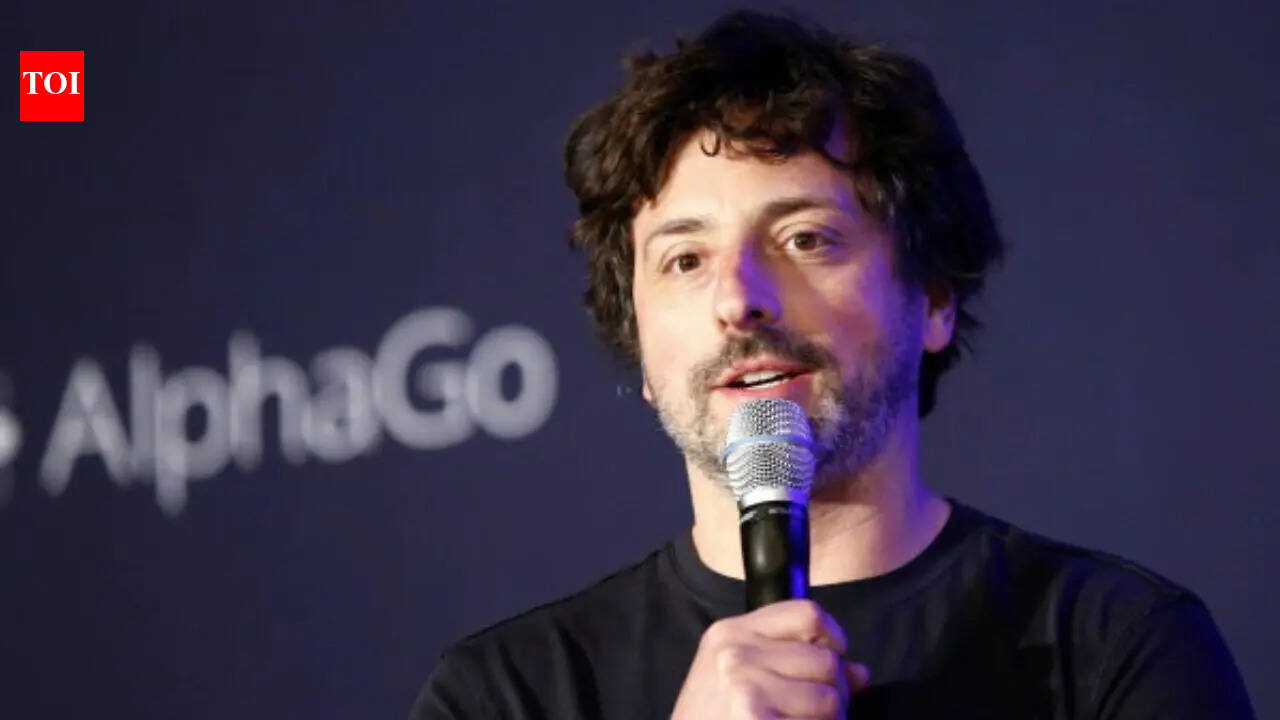
Google co-founder Sergey Brin has committed over $2 billion to Parkinson's disease research, driven by his personal genetic predisposition. His philanthropy, channeled through the ARIA initiative, also expands into bipolar disorder and autism research.
A Personal Crusade: Sergey Brin’s Multi-Billion Dollar Commitment to Parkinson’s
Google co-founder Sergey Brin has emerged as one of the most significant private donors in the field of neurodegenerative research, committing over two billion dollars toward the study of Parkinson’s disease. This massive financial undertaking is not merely corporate social responsibility; it is deeply personal. Brin has publicly acknowledged that he carries a genetic mutation linked to the condition, a reality that has transformed his approach to philanthropy from passive donation to active, strategic investment.
The Genetic Link and Family History
The impetus for this commitment is rooted in a two-decade-long family journey. Brin’s mother, Eugenia Brin, was diagnosed with Parkinson’s over twenty years ago, providing him with a firsthand view of the disease’s debilitating progression. Discovering his own genetic predisposition added a layer of urgency to his involvement, shifting his perspective from that of a concerned relative to that of an individual personally invested in unlocking the biological mysteries of the disorder. This personal connection has served as the catalyst for his extensive funding efforts.
Beyond Parkinson’s: The ARIA Initiative
While Parkinson’s remains the primary focus, Brin’s philanthropic vision has expanded significantly through his ARIA initiative. This organization is designed to bridge the gap between basic scientific research and clinical applications. By funding both high-level laboratory discovery and practical medical interventions, ARIA seeks to accelerate the pace of development for treatments that often languish in the “valley of death” between academic theory and patient-ready therapy.
Diversifying the Research Portfolio
Brin’s influence has now extended beyond movement disorders to include developmental and psychiatric conditions, specifically bipolar disorder and autism. By applying the same data-driven, high-stakes investment strategy he used to build Google, Brin is attempting to identify the common biological threads that might link these disparate conditions. This holistic approach suggests a belief that neurobiology, while complex, can be decoded through large-scale, well-funded scientific inquiry.
The Future of Private Philanthropy in Science
This trend of high-net-worth individuals funding medical research signals a shift in how science is conducted in the 21st century. As government funding becomes increasingly competitive and bureaucratic, private initiatives like Brin’s provide the agility needed to pursue high-risk, high-reward research. If successful, Brin’s model of integrating personal motivation with massive capital deployment could set a new standard for how society addresses chronic, genetically-linked health crises in the future.