Shweta Kawaatra says her periods returned after menopause at 40; expert says one case isn’t proof
Source Entity
The Indian Express
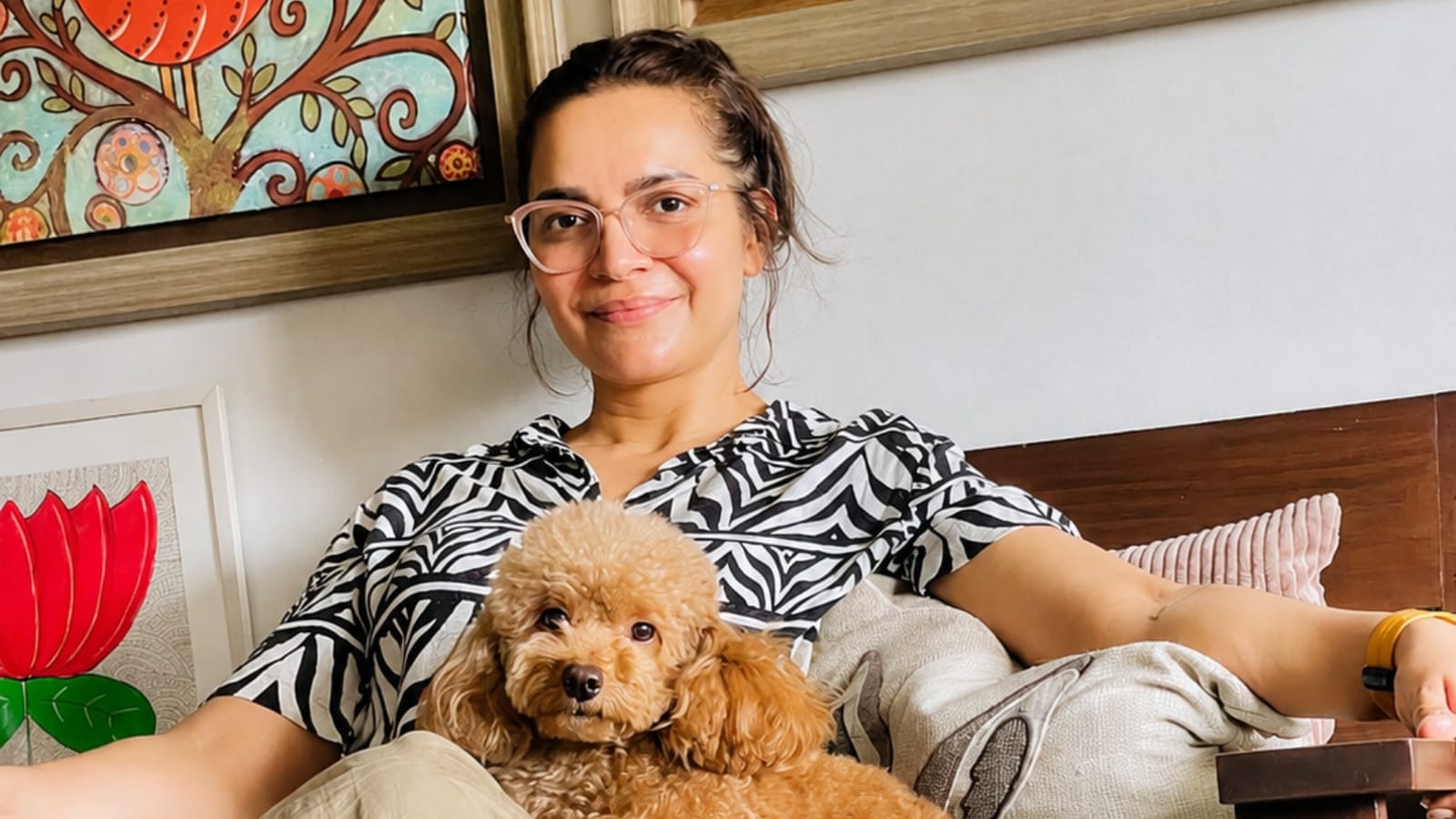
Actor Shweta Kawaatra claims her menstrual periods returned after a menopause diagnosis at age 40 following acupuncture therapy. However, medical experts warn that natural menopause is biologically irreversible and a single anecdotal case is not scientific proof.
Analyzing the Claim of Menopause Reversal: The Case of Shweta Kawaatra
The recent public sharing of actor Shweta Kawaatra's health journey has sparked a significant conversation regarding the biological nature of menopause. Kawaatra, who became a mother at 36, was diagnosed with menopause four years later at the age of 40. This diagnosis, which occurred well before the average age of menopause, left the actor emotionally devastated and "down in the dumps," highlighting the profound psychological impact that premature hormonal shifts can have on a woman's identity and well-being.
The Role of Alternative Therapies
Refusing to accept the finality of her diagnosis, Kawaatra sought out alternative medical interventions, specifically acupuncture. Based on a recommendation and a practitioner's belief that her condition might be linked to an "autoimmune" response, she pursued this therapy. Kawaatra claims that these interventions eventually led to the return of her menstrual periods. This narrative introduces a complex tension between personal anecdotal success and established clinical science, as the public often looks to celebrity experiences for hope in the face of daunting medical diagnoses.
The Scientific Consensus on Menopause
Despite the compelling nature of Kawaatra's story, medical experts are quick to provide a necessary corrective. The scientific consensus remains that natural menopause is a widely regarded irreversible biological process. Menopause is defined by the permanent cessation of menstrual cycles due to the loss of ovarian follicular activity. Consequently, experts assert that there is currently no reliable, scientifically validated method for reversing natural menopause once it has fully occurred, regardless of the therapy employed.
Distinguishing Between Menopause and POI
An essential nuance in this discussion is the distinction between natural menopause and Premature Ovarian Insufficiency (POI). While natural menopause is irreversible, the provided context notes that identifying and treating POI early may help preserve or partially restore ovarian function. This distinction is critical because it explains why some women might experience a return of periods if their condition was actually POI rather than full menopause. In such cases, medical intervention can improve fertility prospects and restore some function, but this is fundamentally different from "reversing" a completed menopausal state.
The Fallacy of Anecdotal Evidence
Medical professionals, including Dr. Madge, emphasize that the return of menstrual periods does not inherently mean that menopause itself has been reversed. In clinical science, a single case—no matter how public—does not constitute proof of a general medical phenomenon. The danger of promoting such anecdotes is that it may lead other women to forgo evidence-based treatments or spend resources on unproven therapies under the mistaken belief that a permanent biological transition can be undone.
Broader Implications for Women's Health
This event underscores the need for clearer communication between patients and providers regarding the spectrum of ovarian failure. The emotional shock Kawaatra experienced suggests that more support is needed for women facing early menopause. Furthermore, it highlights the trend of patients turning to alternative medicine when conventional diagnoses feel like a "dead end," emphasizing a gap in how chronic or irreversible conditions are managed and communicated in a healthcare setting.
Conclusion: Science vs. Experience
In summary, while Shweta Kawaatra's experience of returning periods is a personal victory, it does not rewrite the biological laws of menopause. The intersection of her story with expert medical advice serves as a reminder that while individual variations exist, they cannot replace rigorous clinical evidence. The medical community continues to maintain that natural menopause is a one-way biological transition, and the focus should remain on managing symptoms and treating premature insufficiency through validated medical channels.