Why Skyroot's Vikram-1 Launch Could Be A Turning Point For India
Source Entity
NDTV News Search Records Found 1000
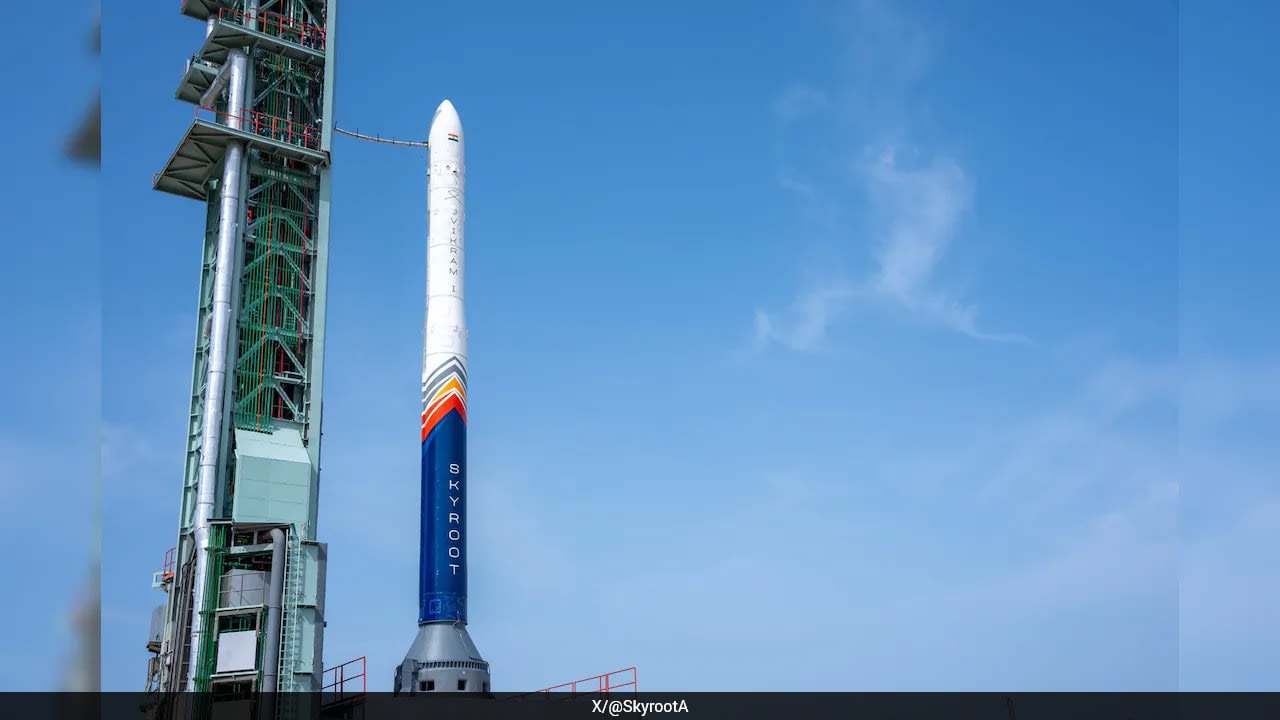
Skyroot Aerospace's Vikram-1 rocket is designed to deliver up to 300 kg into low Earth orbit. This capability marks a pivotal shift toward the privatization and commercialization of India's space sector.
The Dawn of Private Spaceflight in India: Analyzing Vikram-1
The emergence of the Vikram-1 launch vehicle by Skyroot Aerospace represents a fundamental shift in the architecture of India's space exploration capabilities. At the heart of this development is the rocket's capacity to eventually deploy 300 kilograms of payload into Low Earth Orbit (LEO). While this may seem like a modest figure compared to heavy-lift vehicles, it is a strategic benchmark that targets the rapidly growing small-satellite market, positioning India as a competitive player in the global 'NewSpace' economy.
The Strategic Importance of 300kg LEO Capacity
The ability to put 300 kilograms into LEO is a critical technical milestone. Most modern satellite constellations, particularly those utilized for Earth observation, IoT connectivity, and academic research, rely on 'CubeSats' and small-sats that fall well within this weight class. By specializing in this capacity, Vikram-1 addresses a specific market gap: the need for dedicated, cost-effective launches for smaller payloads that do not require the massive lift capacity of larger rockets. This prevents small-satellite operators from having to 'ride-share' on larger missions, allowing them more control over their specific orbital insertion and launch timelines.
A Turning Point for National Space Policy
Historically, India's space achievements have been the sole domain of the Indian Space Research Organisation (ISRO). The transition toward private entities like Skyroot indicates a systemic pivot in national policy. Vikram-1 is not just a piece of hardware; it is a symbol of the deregulation and opening of the space sector to private capital and innovation. This shift allows ISRO to focus on complex interplanetary missions and deep-space exploration, while private firms handle the commercial logistics of LEO deployment, thereby creating a tiered, more efficient space ecosystem.
Economic Implications and Global Competitiveness
From an economic perspective, the development of Vikram-1 is designed to turn India into a global hub for low-cost satellite launches. By optimizing a vehicle for 300kg payloads, Skyroot can offer pricing models that are highly attractive to international startups and governments. This competitive edge is expected to drive foreign direct investment into the Indian aerospace sector and foster a local supply chain of high-tech components, reducing the reliance on imported space-grade hardware and boosting the 'Make in India' initiative within the high-technology domain.
Technological Trajectory and Future Trends
Looking forward, the success of the Vikram-1's 300kg capacity will likely serve as a stepping stone for further scaling. The trajectory of private space firms typically involves iterating on a baseline model to increase payload capacity and introduce reusability. As Skyroot masters the delivery of small payloads, the industry can expect a trend toward more frequent launch cadences and the development of heavier variants. This evolution will likely lead to a fully integrated private launch infrastructure in India, encompassing everything from satellite manufacturing to orbital delivery.
Conclusion: Redefining India's Space Legacy
In summary, the Vikram-1 rocket is far more than a technical achievement; it is a catalyst for an industrial revolution in Indian aerospace. By targeting the 300kg LEO segment, Skyroot is effectively democratizing access to space for a wider array of users. This transition from a state-led monopoly to a collaborative private-public model ensures that India will remain at the forefront of space technology, balancing scientific ambition with commercial viability.
Verification Required?