The Pradhan impasse: Why Centre is not ready to blink as CJP deadline looms
Source Entity
Liz Mathew
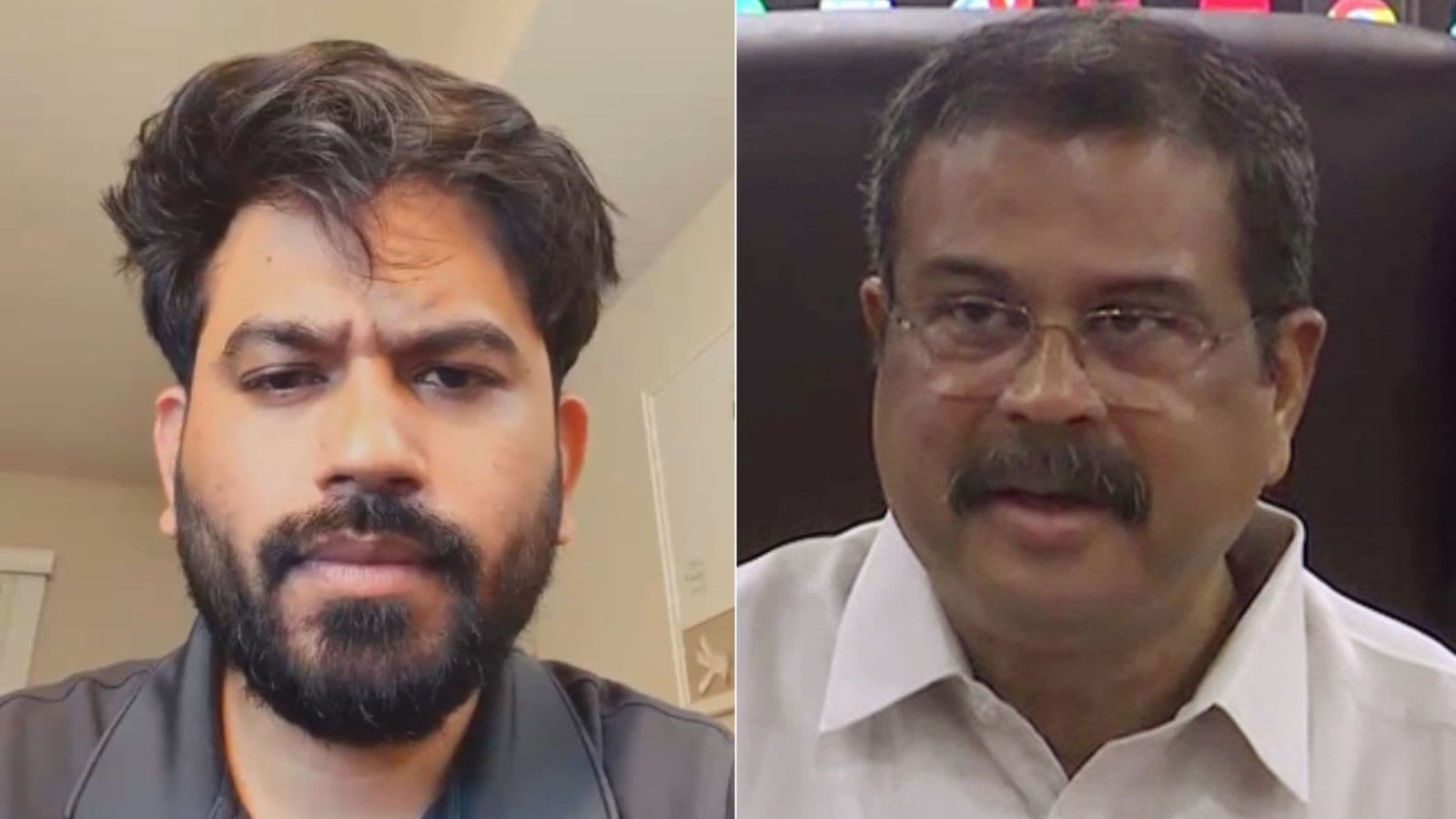
Student organizations and activists are protesting nationwide against alleged examination irregularities and the NTA's handling of paper leaks. Simultaneously, activists like Sonam Wangchuk continue to draw attention to their causes through hunger strikes, demanding accountability from the government.
The Growing Wave of Student Unrest and Calls for Accountability
Recent developments in India have highlighted a surge in student-led activism centered on the integrity of the national examination system. Organizations such as the Naujawan Bharat Sabha (NBS) and the Disha Students’ Organisation have mobilized near the GVMC office to voice their opposition to persistent paper leaks and alleged examination scams. These protests are not isolated incidents but reflect a broader, nationwide sentiment of frustration regarding the National Testing Agency (NTA), which has faced intense scrutiny over its administrative failures.
Demanding Institutional Reform
The core of the current agitation lies in the demand for systemic change. Protesters have explicitly called for the abolition of the NTA, arguing that the agency has failed to safeguard the future of millions of students. Figures such as CJP founder Abhijeet Dipke have amplified these concerns, inviting Union Education Minister Dharmendra Pradhan to engage directly with demonstrators at Jantar Mantar. This call for dialogue represents a shift from passive grievance to active confrontation with policy makers, signaling that the student movement is seeking direct accountability from the highest levels of the Ministry of Education.
Solidarity and the National Narrative
The protests have expanded beyond local grievances to include solidarity with students in the national capital who have faced police action. By condemning the alleged assault by Delhi Police on demonstrators, groups like the NBS are framing their struggle as a defense of the right to peaceful protest. This intersection of educational reform and civil liberties creates a potent political narrative, as student groups argue that the government’s response to these scams is characterized by suppression rather than resolution.
The Role of Public Fasting as Political Protest
Parallel to the student movement, other forms of civil protest, such as the hunger strike undertaken by Sonam Wangchuk, continue to capture public and media attention. The concern expressed by Wangchuk’s brother, Dorjey, regarding the activist's health as he approached his planned deadline to end his fast, underscores the personal toll and high stakes involved in these demonstrations. Whether through academic-focused protests or environmental and rights-based fasts, these movements share a common thread of holding the state accountable for its promises and administrative duties.
Future Implications and Policy Trajectories
As these movements gain momentum, the pressure on the Union government to reform the NTA and address the grievances of the youth will likely intensify. The demand for the resignation of the Education Minister serves as a focal point for political opposition, potentially turning these educational grievances into a wider electoral or social challenge. Moving forward, the government's ability to maintain public trust will depend on its capacity to implement transparent, secure, and fair examination processes that restore confidence among the student population.
Multiple Citing Sources