SC extends Bengaluru civic polls to December due to Karnataka SIR
Source Entity
India Latest News: Top National Headlines Today & Breaking News | The Hindu
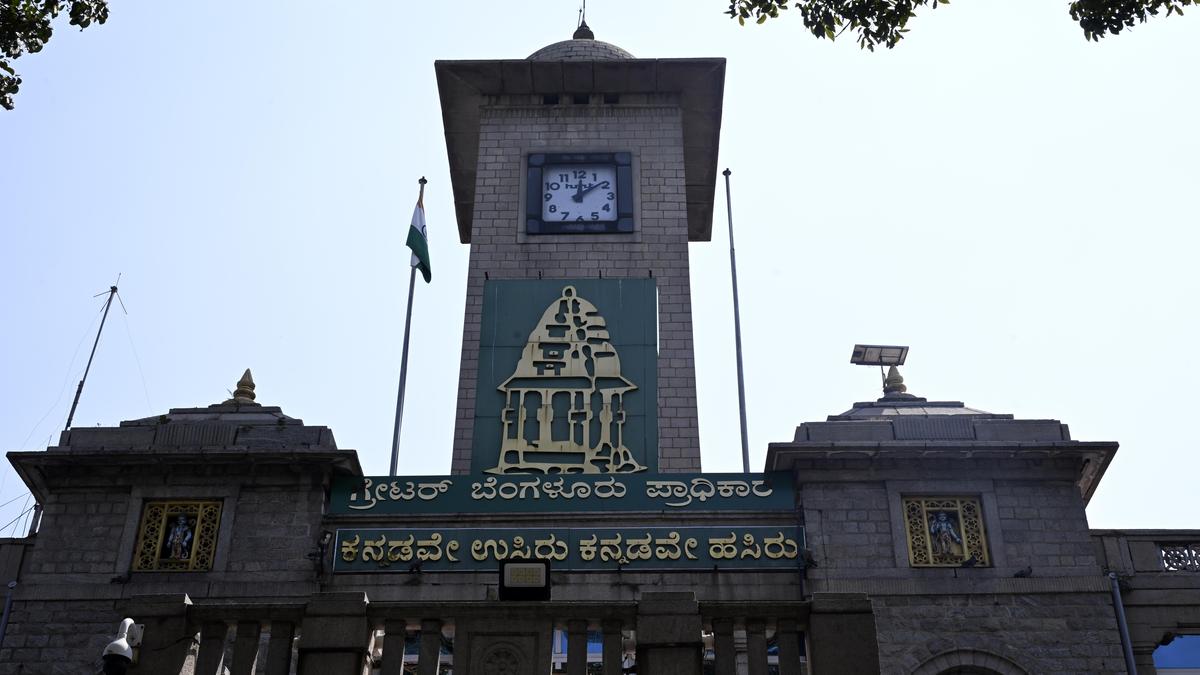
The Supreme Court has extended the deadline for Bengaluru's civic polls to December 2026, citing logistical hurdles caused by the Special Intensive Revision (SIR) of electoral rolls. This decision follows years of delays, as the city's elected representatives' tenures ended in 2020.
Judicial Extension of Bengaluru Civic Polls: A Deep Dive into Administrative Delays
In a significant legal development, the Supreme Court of India has permitted the extension of the deadline for conducting civic elections across five municipal corporations in Bengaluru to December 2026. This decision, delivered by a three-judge bench led by Chief Justice of India Surya Kant, comes after the Greater Bengaluru Authority (GBA) and the Karnataka State Election Commission cited severe logistical constraints. The court had previously shown dwindling patience with the GBA, having already shifted the deadline from June 30 to August 31, 2026, before this final extension to December.
The Logistical Burden of the Special Intensive Revision (SIR)
The core justification for this extension is the ongoing Special Intensive Revision (SIR) of electoral rolls, a massive administrative undertaking designed to ensure the accuracy of the voter list. The scale of this operation is immense, requiring the commitment of 8,872 booth level officers, 938 supervisors, 28 election registration officers, and 75 assistant election registration officers, among other nodal officers and trainers. Because these personnel are drawn directly from the GBA and various Municipal Corporations, the administrative machinery is effectively split between managing city governance and executing the SIR. With an electorate spread across approximately 40 lakh residences, the GBA argued that the absolute and undivided commitment of its staff was necessary to complete the revision, which is expected to result in the publication of final electoral rolls in November.
A History of Democratic Deficit
This extension highlights a prolonged period of democratic void in Bengaluru's local governance. The last civic elections for the Greater Bengaluru Authority were held in 2015, and the tenure of those elected representatives officially expired in 2020. For over half a decade, the city has operated without an elected local body, leading to significant gaps in grassroots representation. The Supreme Court has historically viewed these delays with skepticism, previously accusing the GBA of employing "delaying tactics" to postpone the polls. This history of procrastination has created a tension between the judicial mandate for timely elections and the administrative claims of logistical impossibility.
Judicial Skepticism and the December Mandate
The mood of the court during the proceedings reflected a mixture of legal pragmatism and palpable frustration. While the bench, including Justices Joymalya Bagchi and V Mohana, ultimately granted the extension, Chief Justice Surya Kant noted the recurring nature of these delays with a pointed remark, questioning if the GBA would simply produce another reason for further extension come December. This skepticism underscores the court's awareness that the GBA has a track record of missing deadlines. By explicitly directing that elections be held in December 2026 "in all circumstances," the court has signaled that it will no longer tolerate further administrative excuses.
Broader Implications for Urban Governance
The delay of these elections has broader implications for the governance of one of India's fastest-growing metropolitan hubs. When elected representatives are absent for years, the accountability of municipal corporations shifts from the public to appointed bureaucrats. The reliance on the SIR as a reason for delay suggests a systemic struggle to integrate modern electoral roll management with the urgent need for local political leadership. The involvement of high-profile legal counsel, such as Kapil Sibal for the GBA, further emphasizes the legal weight and political sensitivity surrounding the restoration of civic democracy in Karnataka's capital.
Summary and Outlook
Ultimately, the Supreme Court has balanced the need for a clean, accurate electoral roll with the necessity of democratic representation. While the SIR provides a factual basis for the current delay, the overarching narrative is one of chronic administrative failure. The December 2026 deadline now stands as a final ultimatum. The successful execution of these polls will depend on whether the GBA can transition from the intensive data-gathering phase of the SIR to the actual conduct of elections without encountering new "logistical challenges."
Verification Required?