After SC directions BJP says genuine students must be protected, not rioters
Source Entity
India Latest News: Top National Headlines Today & Breaking News | The Hindu
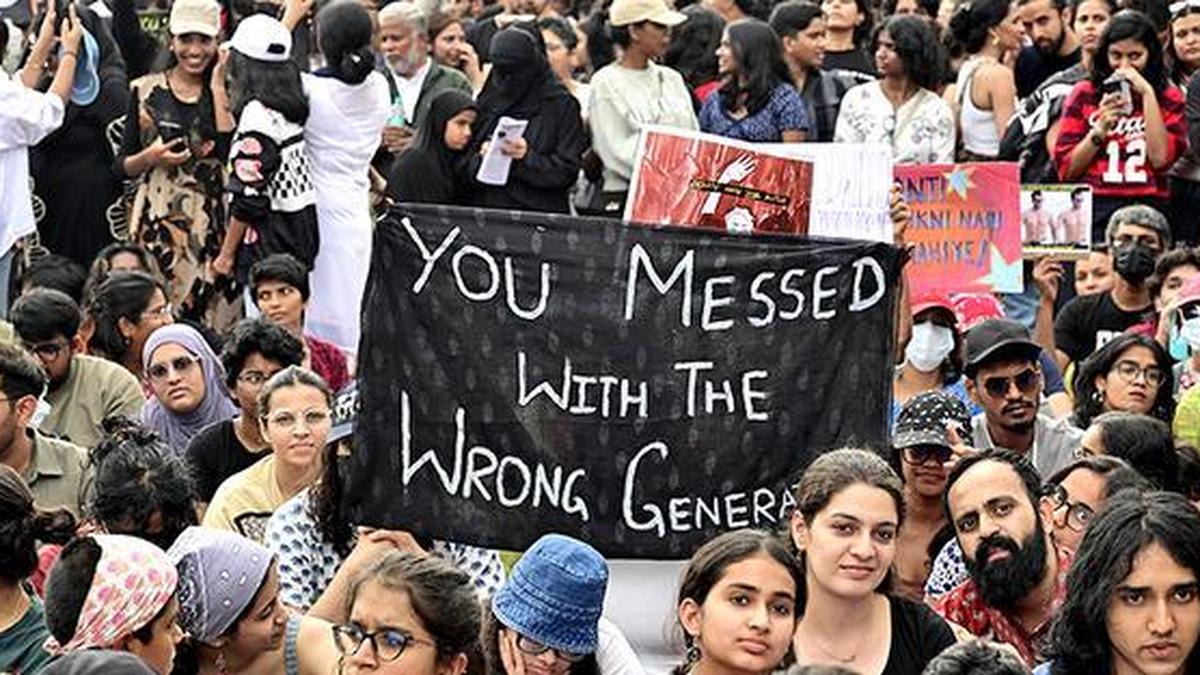
The Supreme Court has mandated a transparent inquiry, potentially via an SIT, into alleged police excesses during NEET-related student protests. The court emphasized that accountability is essential when law enforcement protocols are violated during civil demonstrations.
Supreme Court Mandates Accountability in Student Protests
The Supreme Court of India has taken a firm stance regarding the recent wave of student protests triggered by NEET paper leak allegations. A bench led by Chief Justice of India Surya Kant, alongside Justices Joymalya Bagchi and V Mohana, has observed that a prima facie case exists for an independent, transparent inquiry into allegations of police brutality. The court’s intervention underscores a critical judicial commitment to ensuring that law enforcement agencies operate within defined protocols, even when managing large-scale civil unrest.
The Need for an Independent Investigation
The judicial discourse centers on the necessity of a Special Investigation Team (SIT) to impartially examine incidents of violence. This follows petitions, including one by Rajya Sabha MP Manoj Kumar Jha, which highlight specific grievances regarding the use of excessive force. The court’s insistence that a probe is "meaningless without fixing responsibility" signals a shift toward holding individual officers accountable for actions that transcend the legal limits of crowd control, such as the reported use of an AK-47 against peaceful protesters in Bihar.
Analyzing Police Conduct and Protocols
The protests, which reached a flashpoint on July 20 when demonstrators attempted to march toward Parliament, resulted in clashes involving tear gas and baton charges. The Supreme Court's observation that "whosoever committed excesses must be taken to task" serves as a stern reminder that the state’s duty to maintain public order does not grant immunity for the violation of human rights. By calling for a formal inquiry, the court aims to establish a standardized protocol for handling future student movements, ensuring that the right to protest is balanced against the requirements of public safety.
Broader Implications for Civil Rights
This development is significant as it addresses the growing tension between student activists and state machinery. The allegations, which range from the use of pellet guns to the handling of marches near Jantar Mantar, reflect a broader pattern of confrontation that has drawn national attention. By involving an SIT, the judiciary is attempting to depoliticize the investigation, moving it away from state-level police departments that may be viewed as biased by the protesters.
Future Trends and Judicial Oversight
The court’s focus on creating a sustainable protocol suggests that future student demonstrations may see more rigorous judicial monitoring. If the proposed SIT is established, it could set a legal precedent for how police excesses are handled in high-stakes political environments. The emphasis on transparency aims to restore public trust in the mechanisms of law enforcement and the judiciary’s role as the ultimate arbiter of constitutional rights.
Conclusion
In summary, the Supreme Court’s intervention represents a pivotal moment in the ongoing NEET protest crisis. By prioritizing an independent inquiry into police excesses, the court is not only addressing the specific grievances of the students but is also reinforcing the principle that the rule of law applies equally to those tasked with its enforcement. The outcome of this inquiry will likely serve as a foundational guide for future interactions between protesters and law enforcement in India.
Multiple Citing Sources
Verification Required?