Supreme Court takes suo motu cognisance of matter regarding access to life-saving medicines
Source Entity
India Latest News: Top National Headlines Today & Breaking News | The Hindu
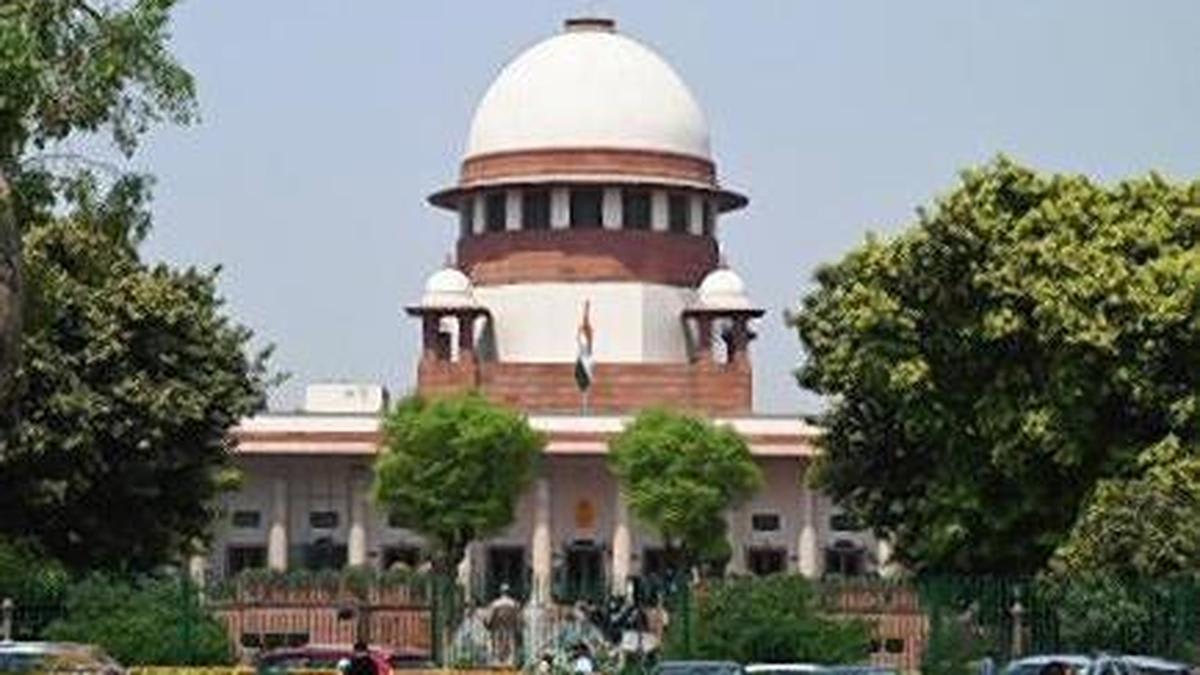
The Supreme Court of India has taken suo motu cognisance of a case regarding the high cost of patented cancer drugs following the death of a Kerala woman while her plea was pending. The court has ordered the Kerala High Court to ensure the expeditious disposal of the matter.
Judicial Intervention in Healthcare Accessibility
In a significant move to address the intersection of healthcare affordability and the fundamental right to life, the Supreme Court of India has taken suo motu cognisance of the challenges surrounding access to life-saving medicines. This judicial intervention was triggered by a tragic incident in Kerala, where a woman battling breast cancer passed away while her legal challenge against the exorbitant pricing of her treatment remained pending in the State High Court. The action by the apex court underscores a critical systemic failure where judicial delays in health-related litigation can lead to irreparable loss of life.
The Crisis of Judicial Expediency
At the heart of this matter is the concept of "judicial expediency." The Supreme Court, led by Chief Justice Surya Kant and Justices Joymalya Bagchi and V Mohana, highlighted that the timing of legal redress is as critical as the redress itself when dealing with terminal illnesses. When a petitioner seeks relief from prohibitive medication costs, the window for survival is often narrow. The fact that the Kerala woman died during the pendency of her plea suggests a disconnect between the pace of the legal system and the urgency of medical needs, prompting the Supreme Court to demand an expeditious disposal of the matter by the Kerala High Court.
The Conflict Between Patents and Public Health
This case brings to the forefront the recurring conflict between intellectual property rights and the right to health. The Bench specifically noted that the matter concerned the affordability of "patented cancer drugs." In the pharmaceutical industry, patents allow companies to maintain high prices to recoup research and development costs. However, when these prices become "exorbitant," they create a barrier to access that effectively denies the right to life. This case may force a deeper judicial examination of how India balances the protection of pharmaceutical patents with the state's obligation to ensure that life-saving treatment is not a luxury reserved for the wealthy.
The Significance of Suo Motu Cognisance
By taking suo motu cognisance—acting on its own motion without a formal petition—the Supreme Court is signaling that access to affordable medicine is not merely a private dispute between a patient and a provider, but a matter of significant public interest. This power allows the court to address systemic grievances that might otherwise be buried in lower court backlogs. By issuing a notice and directing the Chief Justice of the Kerala High Court to expedite the process, the apex court is attempting to create a mechanism where health-related petitions are fast-tracked to prevent further avoidable deaths.
Broader Implications and Future Trends
Looking forward, this intervention could lead to the establishment of clearer guidelines for the "expeditious disposal" of medical urgency cases across all Indian High Courts. It may also embolden the government to review pricing policies for essential patented drugs or reconsider the application of compulsory licensing in cases of public health emergencies. If the Court continues to scrutinize the pricing of life-saving drugs, it could set a precedent that prioritizes the constitutional "Right to Life" over commercial patent protections, potentially leading to more affordable oncology treatments nationwide.
Conclusion
The Supreme Court's decision to intervene in the Kerala cancer drug case is a poignant reminder of the lethal consequences of legal delays. By focusing on both the affordability of patented medicines and the speed of judicial resolution, the court is attempting to bridge the gap between legal rights and actual survival. The outcome of this matter will likely influence how India manages the tension between the pharmaceutical business model and the basic human right to accessible healthcare.
Verification Required?