US Supreme Court Clears Way For Trump's Mail Voting Plan Ahead Of Midterms
Source Entity
NDTV News Search Records Found 1000
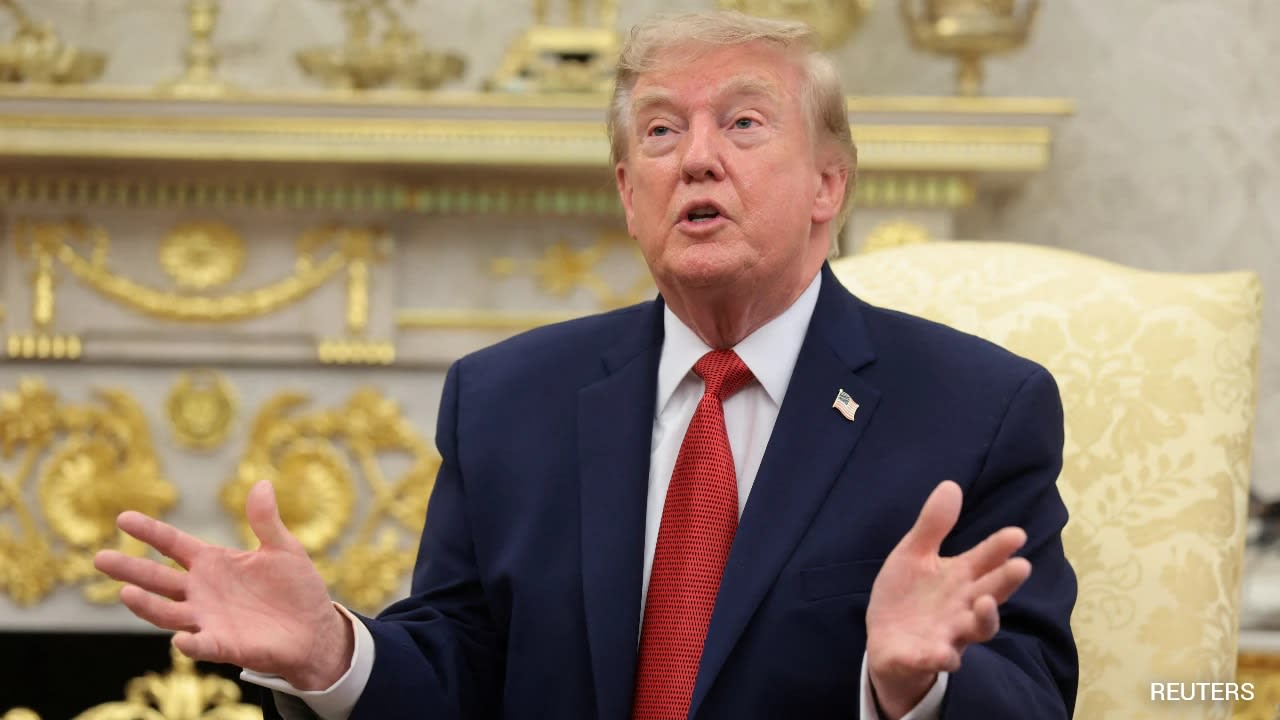
The US Supreme Court has partially enabled the Trump administration's efforts to restrict mail-in voting ahead of the midterm elections. While a key injunction was lifted, ongoing legal challenges and remaining judicial roadblocks leave the practical implementation of these new voting rules uncertain.
Supreme Court Ruling on Mail-In Voting
The United States Supreme Court has issued an unsigned order that partially clears the path for the Trump administration’s efforts to impose new restrictions on mail-in ballots. By a 6-3 vote along ideological lines, the Court lifted an injunction that had previously blocked an executive order issued in March. This order sought to mandate that mail-in ballots be distributed only to individuals on a federally curated “state citizenship list” of eligible voters. While this ruling represents a significant procedural win for the administration, it does not provide an immediate or absolute green light for these changes to take effect before the upcoming midterm elections.
The Legal Landscape and Remaining Hurdles
Despite the Supreme Court’s intervention, the path for these voting restrictions remains precarious. The current ruling specifically addresses an injunction issued by U.S. District Judge Indira Talwani in Massachusetts, which previously covered 23 states and Washington, D.C. However, a second injunction remains in place, and the Court’s decision explicitly leaves room for further litigation. These ongoing legal maneuvers suggest that the administration's ability to implement these sweeping changes before November is far from guaranteed, as lower courts continue to weigh the constitutional merits of the executive order.
Contextualizing the Executive Order
The core of the controversy stems from the President's March executive order, which directed the government to compile a specific list of eligible voters. By attempting to restrict mail-in ballot distribution solely to those on this list, the administration is challenging established state-level processes for voter verification. The President has frequently characterized mail-in voting as a vector for fraud, a stance he maintains despite widespread consensus from election officials and security experts regarding the integrity of the mail-in system. This tension between federal oversight and state election administration lies at the heart of the current judicial conflict.
The Ideological Divide
The Supreme Court’s 6-3 decision highlights the deep ideological polarization regarding voting access and election security. The dissenting opinion, voiced by the court’s three liberal justices, underscores the concerns held by voting rights advocates who fear that these restrictions could disenfranchise eligible voters. The clash over the U.S. Postal Service’s role in these new protocols serves as a focal point for the debate, as the logistics of implementing a new citizenship-based verification system during an active election cycle present significant administrative challenges.
Future Implications for Midterm Elections
As the midterm elections approach, the uncertainty surrounding these voting protocols creates a complex environment for both election officials and voters. With one injunction lifted but others potentially lingering, the immediate impact on the distribution of ballots remains in flux. Voters and local jurisdictions are now navigating a period of intense legal volatility, where the rules governing ballot access could shift depending on the outcome of pending court challenges. The long-term trend suggests that battles over election administration will continue to play out in the courtroom as much as at the ballot box, setting a precedent for how federal executive authority interacts with the decentralized nature of American elections.
Verification Required?