Taj Mahal or ‘Tejo Mahalaya’? The legal tussle explained
Source Entity
India Latest News: Top National Headlines Today & Breaking News | The Hindu
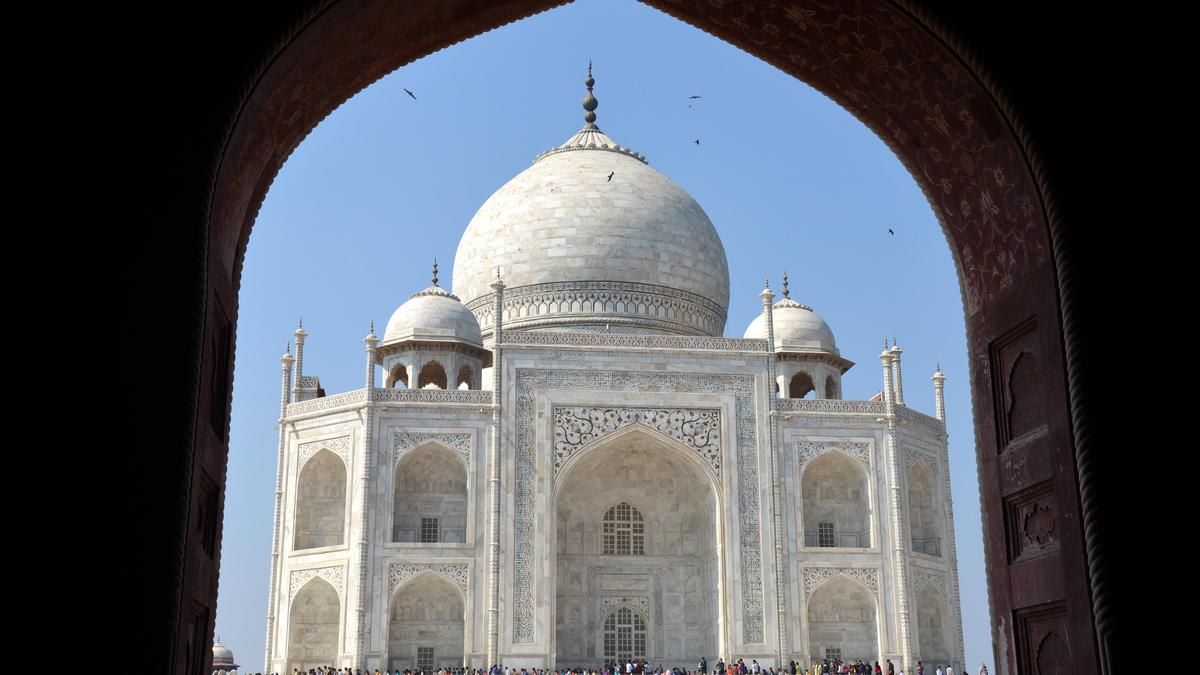
The Allahabad High Court has issued notices to the Centre and ASI regarding a plea to declare the Taj Mahal as a Hindu temple called 'Tejo Mahalaya'. This legal challenge follows a previous trial court order that had refused a survey of the UNESCO World Heritage site.
The Legal Conflict Over the Taj Mahal's Origins
The Taj Mahal, globally recognized as a masterpiece of Mughal architecture and a UNESCO World Heritage site, has once again become the center of a complex legal battle. The current controversy revolves around a petition filed by advocate Harishankar Jain, who contends that the monument is not a tomb, but rather a Hindu temple known as 'Tejo Mahalaya'. This dispute has now reached the Allahabad High Court, where a Bench led by Justice Rohit Ranjan Agarwal has issued notices to the Central Government and the Archaeological Survey of India (ASI), seeking their official responses to the claims.
The Core Contentions of the Petitioner
Advocate Harishankar Jain's plea is built upon the assertion that the structure was originally a temple and specifically claims that the Taj Mahal was built upon the site of a mansion belonging to Raja Man Singh. To support these assertions, Mr. Jain has authored a book titled Taj Mahal: The True Story, which serves as the evidentiary basis for his legal arguments. The petitioner is seeking a formal judicial declaration that the site is a Hindu temple and is requesting the court to grant permission for Hindus to offer prayers within the premises. Furthermore, the petition sought the appointment of an Advocate Commissioner to inspect the site, aiming to provide physical evidence to support the 'Tejo Mahalaya' theory.
Historical Context vs. Legal Claims
These claims stand in direct opposition to the widely accepted historical narrative. According to established records, the Taj Mahal was commissioned by the Mughal emperor Shah Jahan as a grand mausoleum for his favorite wife, Arjumand Bano (known as Mumtaz Mahal). The construction of this white marble marvel was a massive undertaking that took approximately 22 years to complete. The tension in the current legal proceedings arises from the clash between these historical records—which define the monument's identity as a tomb—and the alternative narrative presented by the petitioner.
The Procedural Journey of the Case
The legal path to the High Court began in the Agra trial court, where a civil suit was filed in 2015 seeking to declare the Taj Mahal a Hindu temple. However, the trial court refused the request for a survey of the monument, leading the petitioner to challenge that decision in the Allahabad High Court. The High Court's decision to issue notices to the Centre and the ASI indicates that the judiciary is now requiring the state's primary historical and administrative custodians to provide their expert input on the validity of the claims.
Implications for Heritage and Governance
This case places the Archaeological Survey of India (ASI) in a critical position. As the body responsible for the preservation of India's monuments, the ASI's response will be pivotal in determining whether a survey is warranted. Because the Taj Mahal is a UNESCO World Heritage site, any legal determination that alters its recognized history or allows for changes in its usage (such as permitting religious prayers) could have significant international implications regarding the management and preservation of global heritage sites.
Conclusion and Future Outlook
At present, the legal momentum has shifted, and as the report notes, "the ball is in the Centre’s court," along with the ASI. The resolution of this matter will depend on whether the court finds the claims in Taj Mahal: The True Story and the assertions regarding Raja Man Singh's mansion to be legally and historically credible. Until the Centre and the ASI submit their responses, the Taj Mahal remains under the cloud of this legal tussle, balancing its identity as a symbol of love and a global icon against contemporary claims of a different religious origin.
Verification Required?