Trump approves nuclear deal with Saudi Arabia, a big win for the Kingdom
Source Entity
The Indian Express
President Donald Trump has approved a long-term civilian nuclear agreement with Saudi Arabia, granting the Kingdom potential uranium enrichment capabilities. This multibillion-dollar deal positions American firms as the primary contractors for Saudi Arabia's nuclear infrastructure development.
Strategic Shift in US-Saudi Nuclear Cooperation
President Donald Trump’s formal approval of a civilian nuclear agreement with Saudi Arabia marks a significant pivot in Middle Eastern energy policy and international nuclear non-proliferation strategy. By authorizing a framework that allows for a domestic civilian nuclear program, the United States is deepening its strategic partnership with the Kingdom, aiming to secure long-term economic and geopolitical influence in the region.
Economic Implications and Industrial Dominance
The agreement is projected to be worth tens of billions of dollars over its 30-year duration, representing a massive contract for the American energy sector. A critical component of this deal is the exclusivity granted to American companies, which are slated to lead the construction and development of Saudi Arabia’s nuclear infrastructure. By effectively sidelining foreign competitors, the US is positioning its domestic industry to capture the entirety of the lucrative Saudi market, ensuring that American technology and safety standards remain the benchmark for the Kingdom’s energy future.
The Uranium Enrichment Debate
Perhaps the most contentious aspect of the reported agreement is the provision that may allow Saudi Arabia to conduct uranium enrichment on its own soil. Historically, the United States has maintained a 'Gold Standard'—the 123 Agreement—which typically prohibits non-nuclear weapon states from enriching uranium to prevent the potential diversion of material for military use. Allowing this capability for Saudi Arabia represents a departure from traditional non-proliferation norms, raising questions about how regional rivals, such as Iran, will interpret this shift in the balance of nuclear potential.
Geopolitical Context and Regional Stability
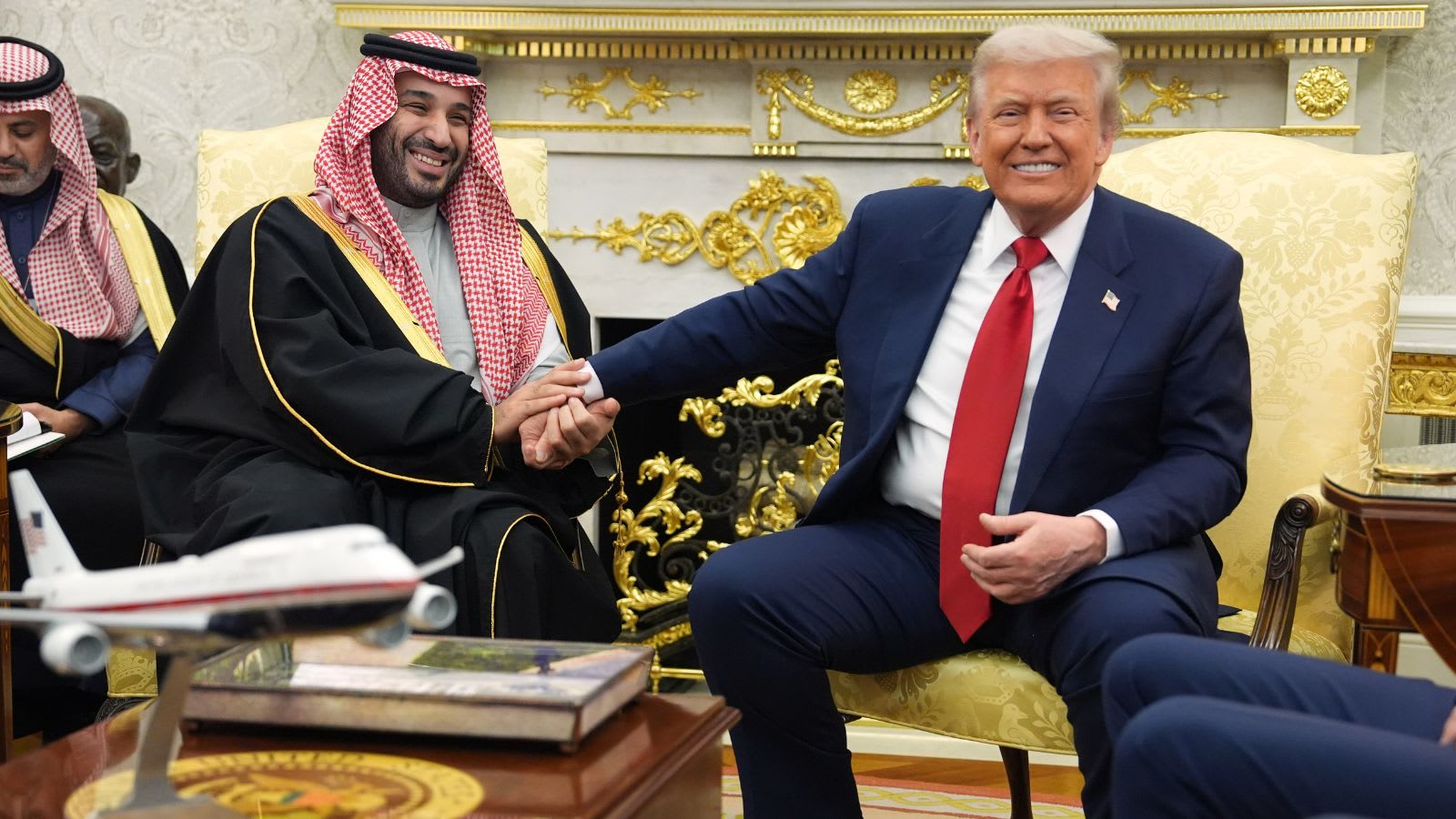
The meeting in the Oval Office between President Trump and Crown Prince Mohammed bin Salman underscores the high-level diplomatic effort invested in this deal. For the Kingdom, acquiring nuclear technology is a cornerstone of Vision 2030, a strategic framework designed to diversify the Saudi economy away from its heavy dependence on crude oil. Integrating nuclear power into their national grid is intended to free up more oil for export and provide a sustainable alternative for domestic electricity generation.
Future Trends and Oversight
Moving forward, the success of this agreement will depend on the rigorous implementation of oversight mechanisms to ensure that all nuclear activities remain strictly civilian in nature. As Saudi Arabia embarks on this multi-decade infrastructure project, the international community will likely watch the implementation process closely. Future trends suggest that this deal will serve as a litmus test for how the US manages technological exports while balancing its commitments to regional security, environmental sustainability through carbon-free energy, and global non-proliferation standards.