"Nightmare": Trump Claims China Interfered In 2020 US Polls, Beijing Responds
Source Entity
NDTV News Search Records Found 1000
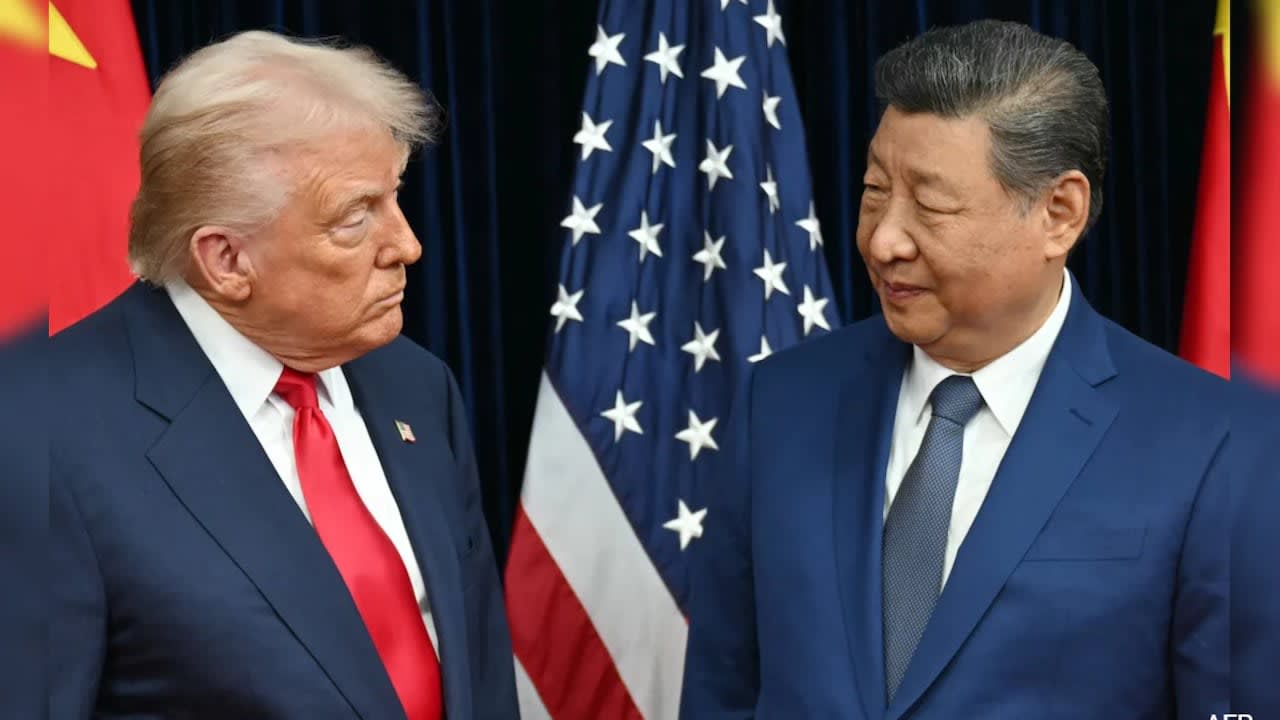
Donald Trump alleged in a prime-time White House address that China interfered in the 2020 US elections. The claims have prompted a formal response from Beijing, further straining diplomatic relations.
Analysis of Allegations Regarding Chinese Interference in US Elections
The Presidential Address and its Significance
In a televised prime-time address delivered from the White House, Donald Trump explicitly claimed that China interfered in the 2020 US polls. The choice of a prime-time slot and the venue of the White House underscores the gravity with which the administration viewed these allegations. By addressing the nation directly, the administration sought to bypass traditional media filters and alert the American electorate to perceived external threats to the democratic process, framing the situation as a "nightmare" scenario for national sovereignty.
Geopolitical Tensions and the US-China Relationship
This accusation does not exist in a vacuum but is instead a symptom of the broader, systemic rivalry between the United States and China. The relationship has been characterized by intense competition across trade, technology, and global influence. Allegations of election interference typically mirror the existing friction in diplomatic ties, where accusations of cyber-espionage and economic manipulation are common. By linking China to the 2020 polls, the administration shifted the narrative from economic competition to a direct challenge to the integrity of US governance.
The Dynamics of Foreign Interference
Claims of foreign interference in domestic elections have become a recurring theme in modern geopolitics. The transition to digital voting infrastructure and the prevalence of social media have created new vulnerabilities that state actors can potentially exploit. While the provided context focuses on the claims made by Trump, the broader context of international relations suggests that such accusations are often used to justify increased sanctions, stricter immigration policies, or a pivot toward more aggressive foreign policy stances intended to deter adversary nations.
Beijing's Response and Diplomatic Fallout
As noted in the reports, Beijing has responded to these claims. Historically, the Chinese government's responses to such allegations follow a pattern of firm denial and counter-accusations of US hegemony and interference in China's internal affairs. This cycle of accusation and denial creates a volatile diplomatic environment, making bilateral cooperation on global issues—such as climate change or pandemic response—significantly more difficult, as trust between the two superpowers reaches a nadir.
Implications for Public Trust and Democratic Integrity
Beyond the bilateral tension, the public assertion that a foreign power influenced the 2020 polls has profound implications for domestic stability. When the highest office in the land suggests that election results may have been compromised by an external entity, it can erode public confidence in the electoral system. This creates a precarious environment where the legitimacy of the democratic process is questioned, potentially leading to increased polarization and social unrest among the voting population.
Conclusion and Future Outlook
In summary, the claims made by Donald Trump during his White House address represent a critical escalation in the US-China conflict. The intersection of national security, election integrity, and geopolitical rivalry ensures that these allegations will have long-lasting effects. Moving forward, it is likely that the US will continue to increase its scrutiny of Chinese digital influence, while Beijing will likely maintain a defensive and critical posture, ensuring that the "nightmare" of mutual distrust persists in the international arena.
Verification Required?