Donald Trump to impose 50% tariff on most Canadian goods, White House says
Source Entity
The Indian Express
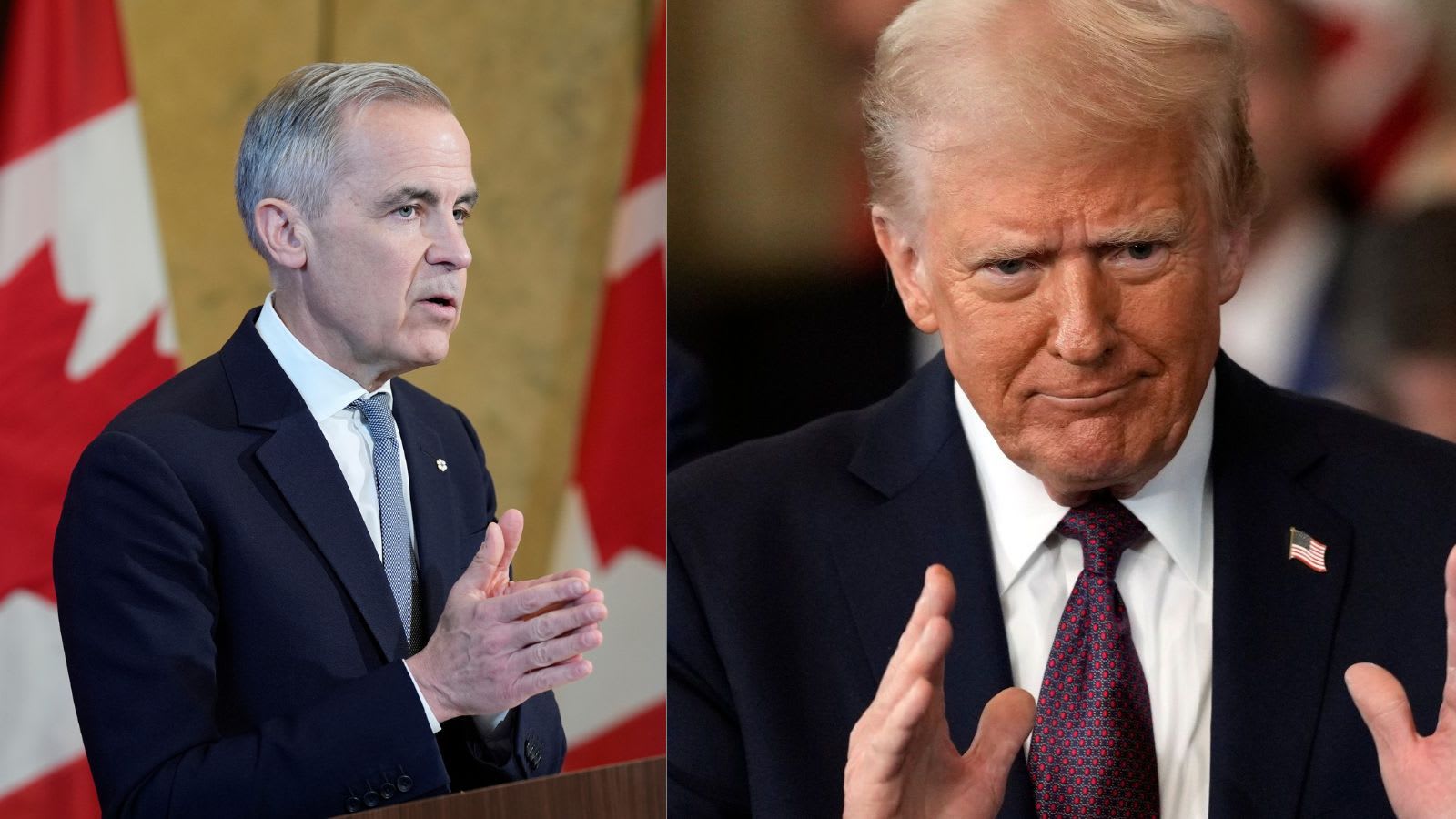
President Trump has imposed 50% tariffs on most Canadian imports, citing alleged trade discrimination against U.S. automotive, dairy, and alcohol sectors. This move, executed via the 1930 Trade Act, marks a significant escalation in bilateral trade tensions.
Escalating Trade Tensions: The U.S.-Canada Tariff Conflict
President Donald Trump has initiated a significant shift in North American trade policy by imposing 50% tariffs on a wide range of Canadian goods. This aggressive economic maneuver is framed by the administration as a necessary correction to alleged trade discrimination, specifically targeting American exports in the automotive, alcohol, and dairy industries. By invoking Section 338 of the Trade Act of 1930—a rarely used provision—the White House is signaling a willingness to bypass conventional trade frameworks to exert direct pressure on Ottawa.
The Strategic Rationale Behind the Tariffs
The administration’s decision to target Canada stems from a long-standing frustration regarding the trilateral trade relationship. Officials have explicitly stated that these measures are intended to "level the playing field" for U.S. producers. The rhetoric surrounding this decision suggests that the White House views Canada not merely as a trade partner, but as an adversary that has retaliated against previous U.S. tariff policies. By grouping Canada with China in this context, the administration is emphasizing a confrontational approach to global trade dynamics.
Legal and Historical Context of Section 338
The invocation of Section 338 of the 1930 Trade Act is particularly notable due to its obscurity and potential for economic disruption. The provision allows for retaliatory tariffs when a country is deemed to be discriminating against U.S. commerce. The fact that some Democratic lawmakers previously sought to repeal this act underscores the legislative concern regarding its potential to destabilize established markets. Its deployment now serves as a blunt instrument to bypass the constraints of modern agreements like the USMCA.
Economic Implications and Sectoral Exemptions
While the scope of the 50% tariff is broad, the administration has carved out specific exemptions for energy products, potash, fish, and critical minerals. This suggests a calculated attempt to protect U.S. supply chains that remain dependent on Canadian raw materials, while simultaneously penalizing finished goods that compete with domestic industries. However, the sheer scale of these tariffs threatens to reignite economic turmoil between two nations that share one of the world's largest and most integrated trading relationships.
Strained Bilateral Ties and Future Outlook
This move represents a clear fraying of the diplomatic and economic ties between Washington and Ottawa. By challenging the protections previously afforded under the USMCA, the administration is introducing significant uncertainty into the North American market. As aides continue to examine the possibility of further tariffs, the future of the trilateral trade pact remains in jeopardy. The international community will likely view this as a major pivot toward protectionism, with the potential to trigger a cycle of retaliatory measures that could impact the broader global economy.
Multiple Citing Sources