US veterans to replace ‘illegal alien’ truckers: Why Trump's move will affect Indians
Source Entity
Latest News: Today's Latest News Headlines from India & World | Hindustan Times | Hindustan Times
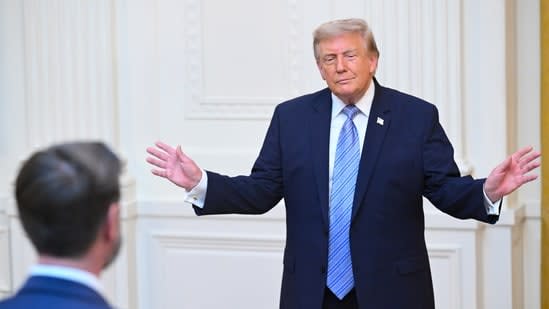
President Donald Trump has announced a plan to replace 'illegal alien truck drivers' with American war veterans. This directive follows the tragic death of Pennsylvania State Police Trooper Michael E Pahira Jr in a commercial vehicle accident.
National Security and Road Safety: The Shift Toward Veteran-Led Logistics
In a decisive move intersecting immigration enforcement and public safety, President Donald Trump has announced a policy initiative to replace 'illegal alien truck drivers' with American war veterans. This announcement marks a significant pivot in the administration's approach to the commercial trucking industry, framing the issue not only as a matter of legal residency but as a critical concern for national road safety. By proposing that veterans fill these roles, the administration seeks to simultaneously address unemployment among former service members and eliminate what it perceives as a dangerous presence of undocumented workers in the logistics sector.
The Catalyst: The Pennsylvania Tragedy
The immediate impetus for this policy shift was a fatal incident on July 1, involving Pennsylvania State Police Trooper Michael E Pahira Jr. Trooper Pahira was hit and killed by a commercial vehicle, an event that sparked immediate outrage and calls for stricter oversight of commercial driving licenses. The driver involved, 33-year-old Michael Bon, has since faced severe legal repercussions, including charges of homicide by vehicle, aggravated assault by vehicle, and involuntary manslaughter. This specific tragedy served as the primary evidence for the administration to argue that the presence of unqualified or undocumented drivers poses a lethal risk to law enforcement and the general public.
Rhetoric and the Rationale for 'Strict Action'
President Trump's rhetoric surrounding this move is centered on a perceived lack of competence and communication skills among undocumented drivers. By stating that these individuals 'can't read signs' and are 'killing a lot of people,' the administration is linking language barriers and legal status directly to traffic fatalities. The promise of 'strict action' suggests a looming crackdown on commercial trucking fleets, likely involving increased audits of driver documentation and stiffer penalties for companies employing undocumented workers. This narrative transforms a labor issue into a public safety crisis, justifying the aggressive replacement of the workforce.
The Strategic Integration of War Veterans
Replacing undocumented workers with American war veterans is a strategic move that aligns with the 'America First' agenda. Veterans often possess the discipline, technical training, and reliability required for long-haul logistics, making them an ideal candidate pool for this transition. Beyond the safety benefits, this move provides a socio-economic lifeline to veterans transitioning to civilian life. By prioritizing those who served in the military, the administration is attempting to create a patriotic workforce that is viewed as more trustworthy and capable of adhering to the strict safety regulations of the US highway system.
Broader Implications for International Labor and Indian Nationals
While the directive specifically targets 'illegal aliens,' the ripple effects are expected to be felt by legal foreign workers, including a significant number of Indian nationals who contribute to the US transport and logistics sectors. A heightened atmosphere of scrutiny and 'strict action' against foreign-born drivers often leads to increased administrative hurdles and rigorous vetting for all non-citizen workers. For Indians engaged in the US logistics chain, this could manifest as more frequent documentation checks and a more restrictive environment for obtaining or renewing commercial driving permits, as the administration prioritizes domestic veterans over foreign labor.
Conclusion and Future Outlook
This initiative represents a convergence of immigration hardlining and veteran support. While the immediate goal is to prevent tragedies like the one that claimed Trooper Pahira's life, the long-term effect will likely be a restructured labor market in the trucking industry. As the administration moves toward a veteran-centric model, the industry may face short-term labor shortages, but the government bets that the trade-off in increased safety and national loyalty will outweigh the logistical hurdles. The success of this move will depend on the ability of the government to rapidly certify veterans for commercial driving roles while maintaining the flow of goods across state lines.
Verification Required?