Burnham to reveal plans for AI unit to tackle wildfires after scorching summer
Source Entity
Pippa Neill Environment reporter
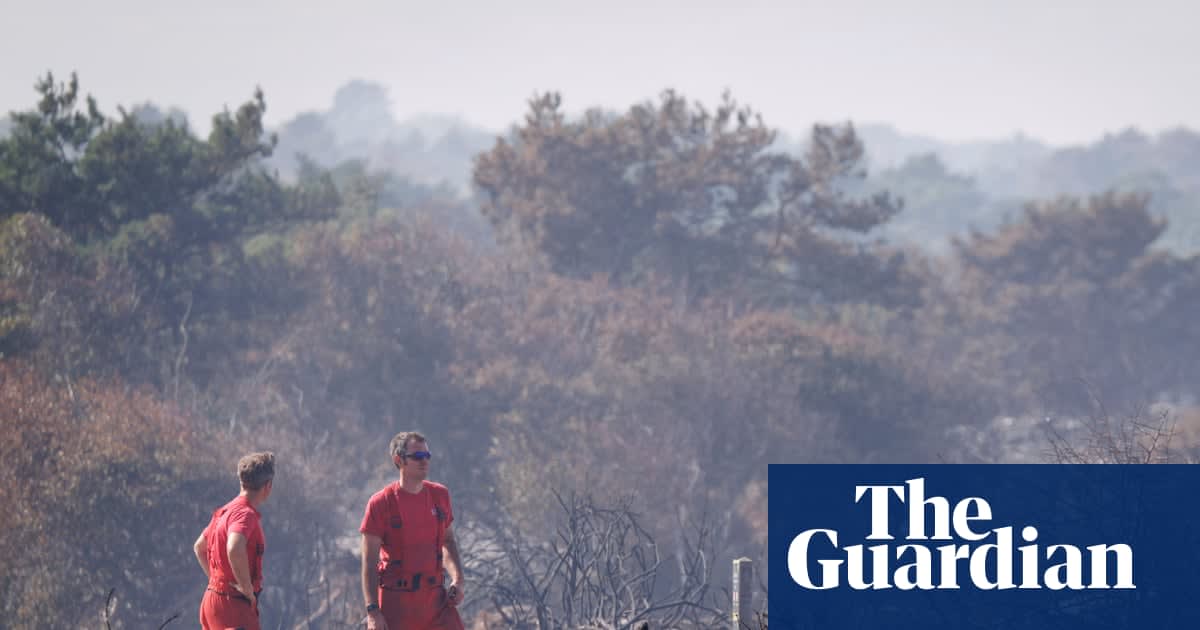
The UK government is establishing a new AI-powered wildfire detection unit within the National Situation Centre. This initiative follows a record-breaking summer of extreme heat and increased wildfire activity linked to the climate crisis.
Addressing the Climate-Driven Wildfire Crisis
The United Kingdom is set to establish a sophisticated 'AI Cobra' unit dedicated to the early detection and management of wildfires. This initiative, spearheaded by Andy Burnham at the government’s inaugural wildfire resilience summit, marks a significant shift in the nation's disaster response strategy. By integrating artificial intelligence into the National Situation Centre—the core of the UK’s emergency Cobra briefing infrastructure—the government aims to move from reactive firefighting to proactive, data-driven prevention.
The Impact of Record-Breaking Heat
This strategic pivot comes in the immediate wake of the UK's hottest summer on record. The combination of prolonged drought and extreme temperatures created a tinderbox environment across the countryside, leading to devastating blazes that necessitated emergency mobile alerts across England and Wales. Data released on October 8 confirmed that this is not an isolated incident but part of a concerning upward trend in fire frequency, demanding a technological intervention to protect both natural landscapes and infrastructure.
The Role of Climate Science
Scientific consensus, bolstered by findings from the Met Office, highlights the undeniable link between these events and the broader climate crisis. The Met Office reports that anthropogenic climate change has rendered these extreme heat events approximately 130 times more likely to occur. This statistical reality underscores the necessity of the AI Cobra unit; as the environment becomes increasingly volatile, traditional firefighting methods are being outpaced by the speed and scale of climate-induced fire outbreaks.
Technological Collaboration and Future Implementation
To ensure the unit’s effectiveness, the government is leveraging expertise from major technology and aerospace players, including Google, Airbus, and Vodafone. These partnerships suggest that the unit will likely utilize satellite imagery, real-time sensor data, and predictive modeling to identify fire risks before they escalate into uncontrollable disasters. This collaborative approach reflects a growing trend in public-private partnerships, where the state provides the operational framework while industry leaders supply the computational power and analytical rigor.
Broader Implications for Disaster Management
Looking forward, the establishment of this AI unit could set a global precedent for how nations manage climate-related risks. By embedding AI into the heart of national security planning, the UK is acknowledging that climate adaptation is now a fundamental component of public safety. As the climate continues to shift, the success of this unit will likely serve as a blueprint for other countries facing similar environmental pressures, signaling a new era where artificial intelligence acts as the first line of defense against the changing face of the natural world.